EN
EN
 fr
fr  de
de  es
es  it
it  ru
ru  pt
pt  ar
ar  vi
vi  tr
tr  id
id 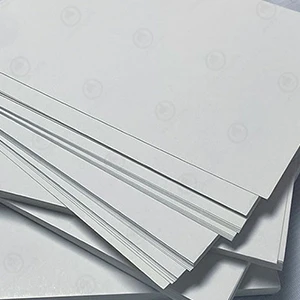
Phone:
0086 27 688745330086 18049845758
 GOLDEN PAPER

.webp "Digital Transfer Paper/Sublimation Paper")
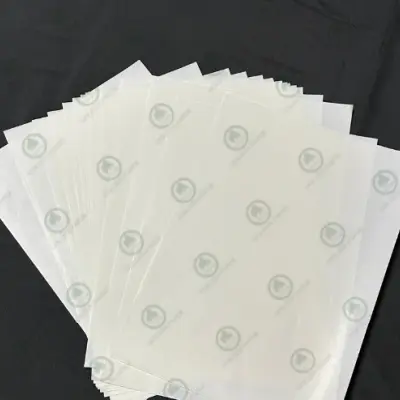


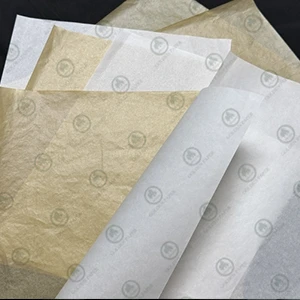

Coated paper is one of the most representative high-quality papers in the printing and packaging industry. Known for its smooth surface, excellent printability, and vivid color reproduction, it is widely used in advertising, packaging, and label printing. Although common in daily life, few people truly understand what coated paper is and how it is made. This article will explain its structure, production process, performance, and major applications, helping you understand why coated paper is a preferred material in modern printing.

The term coated paper comes from the 19th-century European “copperplate printing” technique. In that process, engravers used copper plates to transfer inked images onto paper for fine art reproduction. Because of this historical link, it was later called copperplate paper in Chinese, even though there is no actual copper involved.
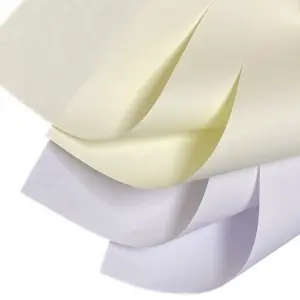
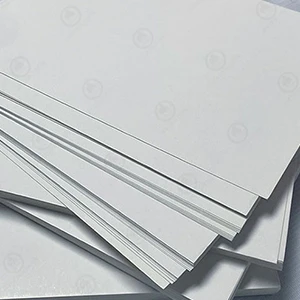
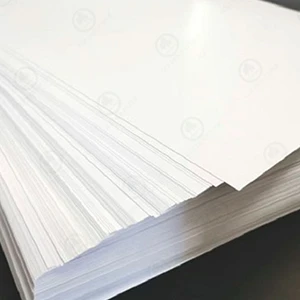
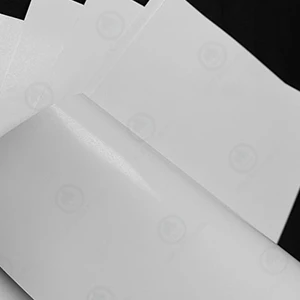
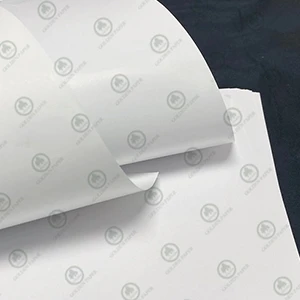
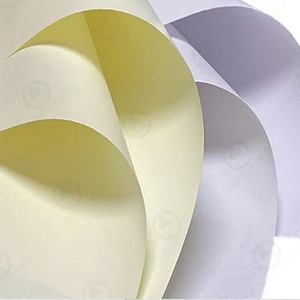
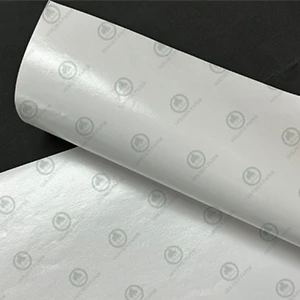
Coated paper is a premium printing paper with a surface coating made of clay, calcium carbonate, and latex. In Hong Kong and Southeast Asia, it’s often referred to as “art paper” or “glossy paper,” which better describes its smooth texture. The coating gives coated paper a uniform, high-gloss or matte surface, allowing it to produce sharp images and bright, rich colors. Coated paper is typically available in grammage ranges from 80gsm to 300gsm for printing applications, while heavier grades may be used for packaging purposes. Surface smoothness, measured by PPS or Bendtsen values, plays a critical role in determining print clarity and ink transfer efficiency.
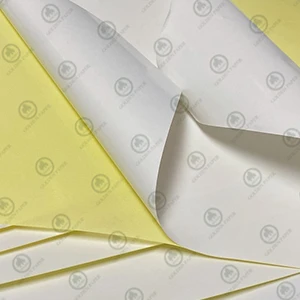
Its introduction marked a major shift from rough traditional paper to precision printing materials, laying the foundation for the development of modern color printing. As a high-quality printing paper, coated paper is widely chosen for commercial printing, advertising materials, and premium packaging, where visual impact and surface quality are critical. Depending on coating layers, coated paper can be classified as single-coated (C1S) or double-coated (C2S). Choose C1S for one-side printing projects such as labels or packaging boxes, and C2S when high-end double-sided printing is required, such as magazines, brochures, or catalogs. Double-coated paper offers higher smoothness and improved print consistency, especially suitable for high-end color printing and image-heavy designs.

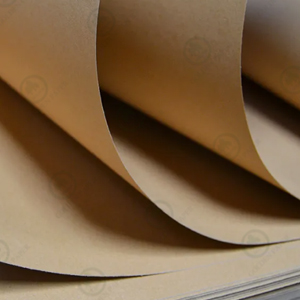
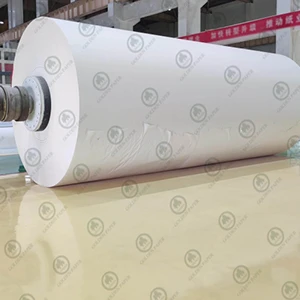
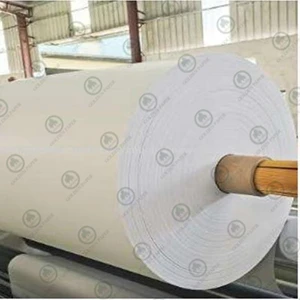
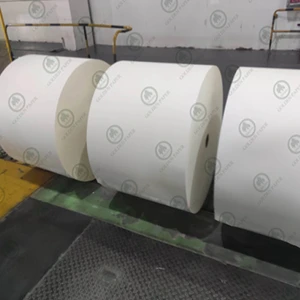
Coated paper is produced by applying a thin layer of coating mixture onto a high-quality wood pulp base paper. The coating typically contains kaolin clay, calcium carbonate, latex, and binders to enhance the surface smoothness and density. This improves ink transfer, color sharpness, and print quality. The coating layer reduces paper surface porosity and controls ink absorption speed, which directly affects dot gain and color accuracy during offset printing. Proper coating formulation ensures stable ink holdout and prevents excessive ink penetration into the fiber layer.
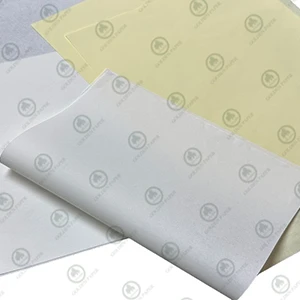
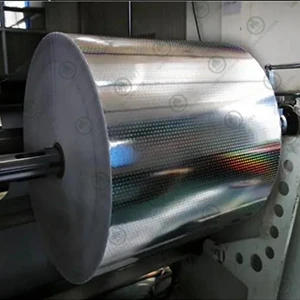
After coating, the paper is dried and then processed through supercalendering—a high-pressure finishing step that compresses the surface to make it even smoother and glossier. Depending on the finish, coated paper is divided into two main types: gloss coated paper and matte coated paper.
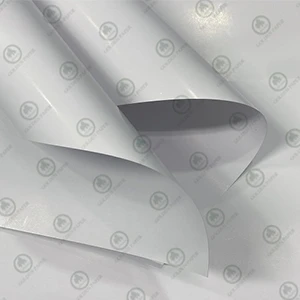
Gloss coated paper has a shiny surface and is ideal for posters, brochures, and advertisements. Matte coated paper has a softer, non-reflective texture, suitable for magazines, catalogs, and high-end packaging.
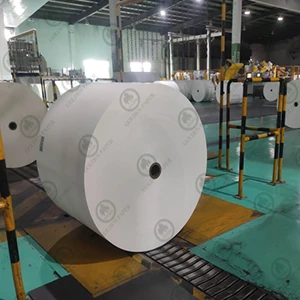
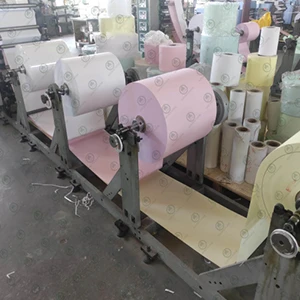
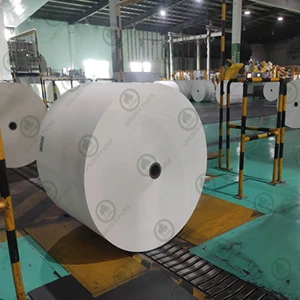
Modern production techniques, including nano-fillers and intelligent coating systems, ensure consistent surface smoothness and color fidelity across large volumes. This helps printing houses and packaging converters reduce waste, improve press run efficiency, and achieve reliable high-quality results. Some advanced mills also implement online quality monitoring systems to control coating weight, gloss level, and moisture content in real time. This ensures uniformity across large production volumes and minimizes variation during high-speed printing. These innovations also make coated paper production more sustainable and energy-efficient. This advanced manufacturing process ensures that coated printing paper maintains consistent smoothness, ink absorption, and color performance, making it suitable for high-speed offset printing, packaging printing, and large-volume commercial print production.
The popularity of coated paper in high-end printing and packaging mainly comes from its excellent physical properties and print performance. Its coating gives it a smooth and even surface, preventing ink from seeping into the fibers and ensuring clean, crisp edges and vibrant color layers.
With a brightness level typically above 90%, coated paper offers high contrast, allowing printed images to appear vivid and realistic. Opacity is another important indicator, especially for double-sided printing. High opacity prevents show-through and maintains clean visual presentation even with heavy ink coverage. It also maintains an ideal balance between ink absorption and drying speed, preventing issues like excessive penetration or smudging, which is especially important in high-speed offset printing. In high-speed offset presses, stable surface strength prevents picking and linting, reducing downtime and improving overall production efficiency for large-volume commercial print jobs.
Additionally, coated paper has good stiffness and surface strength, making it suitable for post-printing processes such as lamination, foil stamping, and embossing. Its versatility also allows it to be used in flexographic printing, UV printing, and digital printing, making it one of the most universal printing papers available today. Because of these advantages, coated paper for printing and packaging is often preferred by printing houses and brand owners for projects that require high image clarity, stable color reproduction, and reliable post-printing performance.

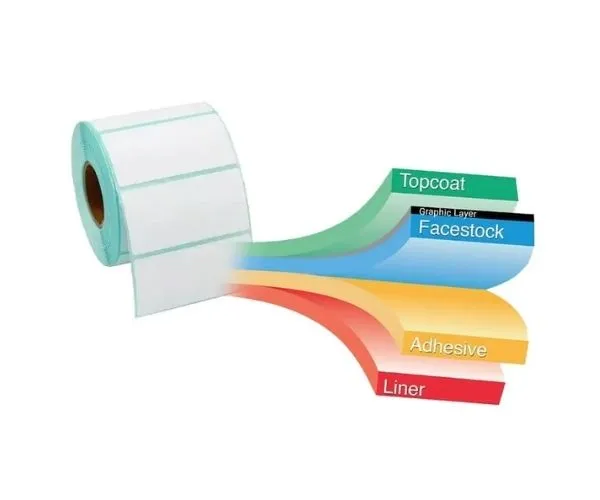
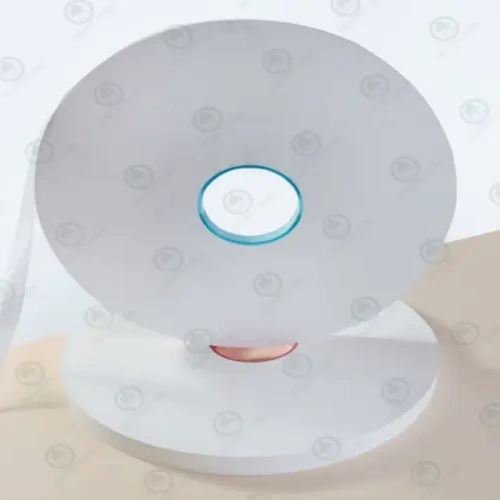
In the label industry, coated label paper is one of the most commonly used face materials. It offers an excellent balance of cost, print quality, and surface smoothness, and works well with different adhesive systems for various environments and uses. Coated label paper is commonly laminated with gloss or matte film to enhance durability and scratch resistance. For outdoor labels or cold-chain logistics, choose UV-resistant or low-temperature-grade coated papers to maintain print clarity and adhesive performance. It can also be combined with permanent, removable, or freezer-grade adhesives depending on application requirements.
In retail and logistics, it’s widely used for price labels, barcode labels, and shipping labels, where clarity and scanning accuracy are essential. In the food and personal care industries, coated label paper treated for oil and moisture resistance enhances packaging appearance and brand recognition. In pharmaceuticals and chemicals, specialized coated papers with lamination or anti-static treatment ensure stability under cold-chain or humid conditions.
As packaging becomes more personalized and smart, coated paper labels continue to evolve. Low-temperature-resistant coated paper is now used in cold-chain logistics, UV-resistant coated paper is applied for outdoor labeling, and variable-data printing coated paper supports smart packaging systems. These advancements show the continuous innovation and adaptability of coated paper in modern applications. In label applications, coated label paper—also known as coated paper for label printing—is one of the most widely used materials due to its smooth surface, excellent printability, and compatibility with various adhesive systems.
For printing houses, packaging converters, and brand owners, choosing the right coated paper means better print efficiency, consistent quality, and a more professional appearance. At Golden Paper Group, we have over 20 years of experience in papermaking and supply a wide range of coated and uncoated printing papers. Contact us today for samples or a quote — and experience reliable quality that makes your print projects stand out.