EN
EN
 fr
fr  de
de  es
es  it
it  ru
ru  pt
pt  ar
ar  vi
vi  tr
tr  id
id 
Phone:
0086 27 688745330086 18049845758
 GOLDEN PAPER
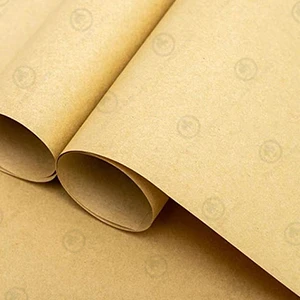
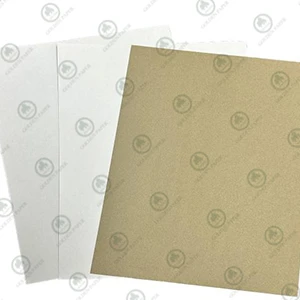
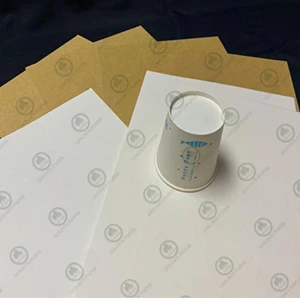

.webp "Digital Transfer Paper/Sublimation Paper")
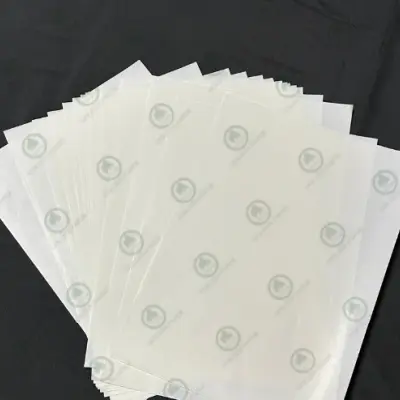
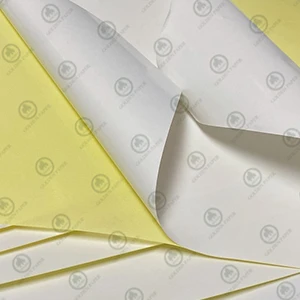
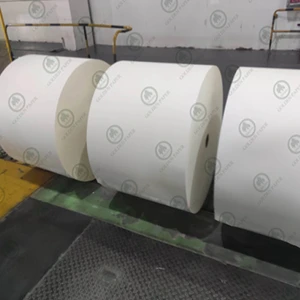

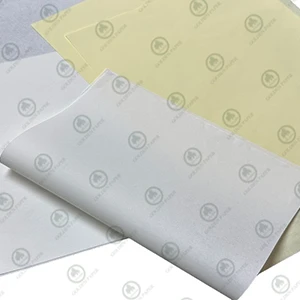


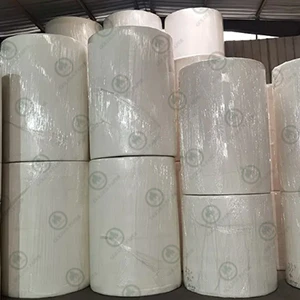
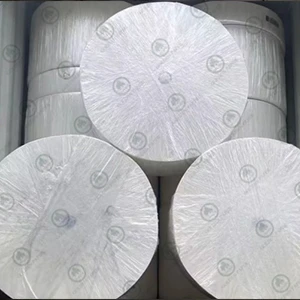

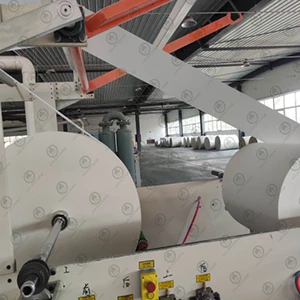
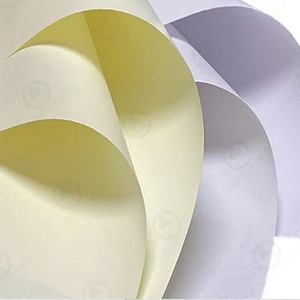
In printing and packaging production, even small details of paper can greatly affect the final quality. Many people don’t realize that every sheet of paper actually has two different sides. Because of the papermaking process, the two sides vary in structure and performance, which directly influences ink absorption, color appearance, and the final printed result. In this article, you’ll learn what paper two-sidedness means and how it impacts printing quality.
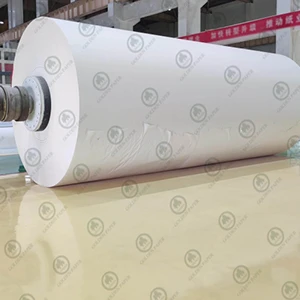
During papermaking, pulp passes through forming, pressing, and drying stages to form a paper sheet. Since each side of the sheet contacts different surfaces, it naturally develops two distinct sides. In the paper industry, these two sides are commonly referred to as the felt side and the wire side, based on the surfaces they contact during papermaking.
The front side mainly contacts the felt during dewatering and drying, resulting in a smoother and more refined surface with a tighter fiber structure. Because of this higher smoothness and uniform coating, ink spreads more evenly, producing brighter and richer colors. Therefore, the front side is usually used as the printing surface.
The back side directly touches the forming wire mesh, often leaving faint marks. Its surface is slightly rougher and less uniform, but it has stronger absorption and higher surface strength, making it less prone to linting or powdering during printing.
Although these differences are subtle, they can cause uneven color, gloss variations, or ink show-through during printing—so recognizing and managing paper two-sidedness is essential.

These issues are most noticeable in offset printing, flexographic printing, and high-speed printing presses, where surface balance and ink control are critical. Paper two-sidedness plays a key role in offset and packaging printing because differences in smoothness, sizing, and absorption can cause several quality issues:
When the two sides absorb ink differently, one side may appear darker or lighter. In high-precision color printing, this difference can distort color accuracy.
The smoother front side delivers even inking but may have lower surface strength, making it more prone to linting at high speeds. The rougher back side is stronger but less uniform, which can affect press stability if the strength gap between sides is large.
If one side absorbs ink faster, ink may penetrate through to the other side, causing show-through or setoff—especially problematic for double-sided products like books or instruction manuals.
During long press runs, the blanket that contacts the smoother side may accumulate lint or filler, reducing ink transfer and causing print density loss or dot distortion.
To ensure consistent print quality, printers should choose paper with balanced smoothness and minimal two-sided differences.

At Golden Paper, we understand how critical paper two-sidedness is for printing and packaging customers. That’s why we continuously optimize our papermaking process to make both sides more uniform and improve overall print performance.
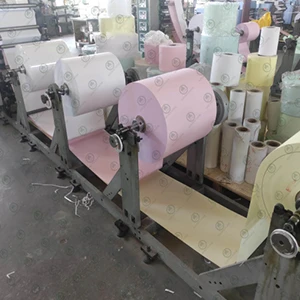
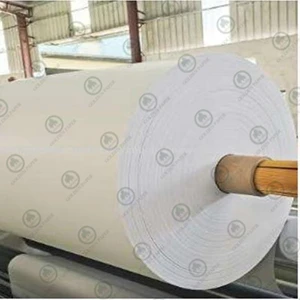
We use advanced twin-wire papermachines that enable simultaneous dewatering on both sides. This helps fibers distribute evenly, minimizing density differences and ensuring balanced surface smoothness.
We precisely control fiber length distribution and use high-efficiency retention aids and sizing agents. Retention aids help maintain fine fibers and fillers on both sides, while sizing agents balance ink absorption across the sheet.
Multi-zone pressure and temperature control ensure both sides receive uniform pressing and drying. This reduces uneven density and prevents one side from becoming too compact or loose.
For premium products like ivory board, coated paper, and food-grade packaging paper, we apply double-sided calendering. By adjusting upper and lower roller temperature and pressure separately, we achieve consistent gloss and smoothness on both sides—enhancing double-sided printability and appearance.
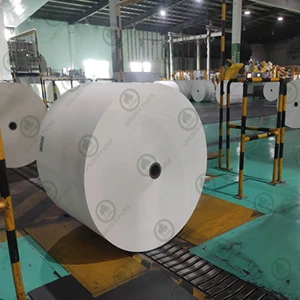
Thanks to these improvements, our paper products show better smoothness, sizing, and surface strength balance, effectively reducing color variation, ink show-through, and linting during printing. These process controls allow us to deliver consistent papermaking quality at industrial scale, meeting the demanding requirements of modern printing and packaging customers.

For Double-Sided Printing:
Choose paper with minimal two-sided differences to maintain consistent color and ink density.
For Single-Sided Printing and Packaging:
Always print on the smoother front side to achieve richer color and better visual texture.
For High-Speed Printing Presses:
Prioritize paper with strong surface strength to avoid linting and powdering during high-speed operation.
With advances in modern papermaking technology, paper two-sidedness is becoming increasingly controllable. At Golden Paper, we use automatic inspection systems to monitor smoothness, absorption, and thickness uniformity in real time, ensuring every batch of paper maintains excellent symmetry and stability.
Looking ahead, we’ll continue refining fiber blending and surface treatment to produce paper that delivers both high strength and balanced double-sided print quality—offering customers more reliable and efficient printing solutions.
Paper two-sidedness might be a small structural difference, but it has a major impact on printing results. For printers and packaging converters, understanding which side to use can make or break print quality. At Golden Paper, we are dedicated to improving both sides of our paper to deliver consistent, high-quality printing performance. Contact us today for samples and quotes!