EN
EN
 fr
fr  de
de  es
es  it
it  ru
ru  pt
pt  ar
ar  vi
vi  tr
tr  id
id 


Phone:
0086 27 688745330086 18049845758
 GOLDEN PAPER




.webp "Digital Transfer Paper/Sublimation Paper")


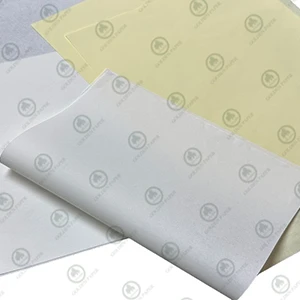

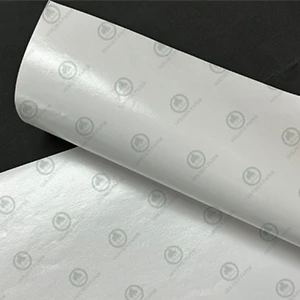

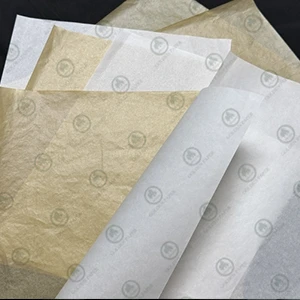

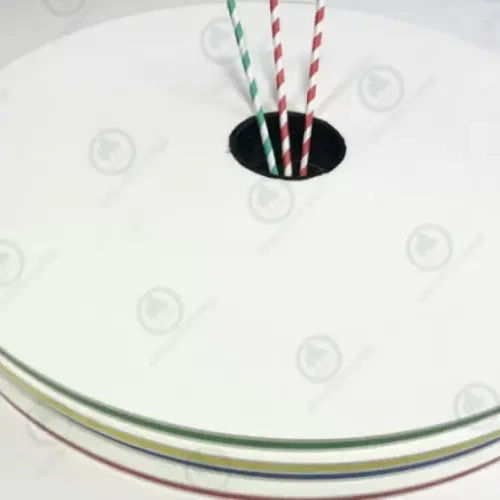
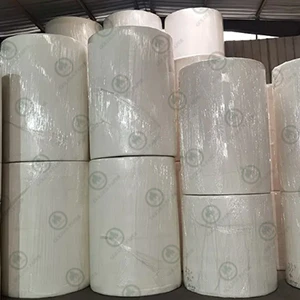
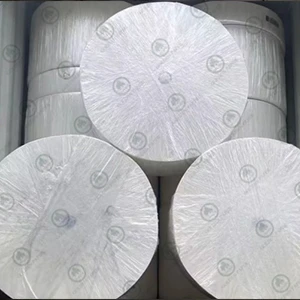


In the printing and packaging industry, two commonly mentioned terms are brightness and whiteness. Many buyers focus on how “white” a paper looks, but some prioritize whiteness while others emphasize brightness. Although these terms are often used interchangeably, they differ in definition, measurement, and their impact on printing and packaging performance. Understanding these differences is essential for selecting the right paper for your projects. In this article, we’ll explain the science, measurement methods, and practical importance of each.

Brightness is an optical measurement that compares a paper’s reflectivity to magnesium oxide, which is defined as 100% bright. Brightness is typically measured at a single wavelength in the blue light range (around 457 nm) because the human eye is very sensitive to changes in blue and yellow light.
In papermaking, brightness tests are mainly used to evaluate bleaching efficiency. After bleaching, pulp reflects more light across the visible spectrum, with the most noticeable increase in the blue-violet region. Measuring reflectivity in this range effectively indicates whether the bleaching process is complete.
Brightness also helps monitor paper aging, as paper naturally yellows over time, reducing blue light reflectivity. Most white papers have brightness values between 60% and 90%. Higher brightness makes paper look cleaner and visually striking. However, high brightness does not necessarily mean high whiteness.

Whiteness is a broader concept. Unlike brightness, which focuses on one wavelength, whiteness considers reflectivity across the entire visible spectrum (400–700 nm).
A truly white paper reflects light evenly across all visible wavelengths, which the human eye perceives as neutral white. If certain wavelengths are absorbed, the reflected light may take on subtle color tints:
Absorbing some red light can make the paper appear bluish.
Absorbing blue light may cause a slight yellow tint.
Colored papers appear colored because they absorb most wavelengths except their visible color.
Essentially, whiteness measures the uniformity of spectral reflection. High-whiteness paper has a smooth, consistent reflection across wavelengths, while low-whiteness paper shows variations that can cause noticeable color shifts. Most white papers have overall reflectivity between 50% and 90%, but differences of 20–30% between wavelengths can still affect perceived color.
The differences between brightness and whiteness can be understood in several ways. Brightness measures reflectivity at a single wavelength, typically in the blue light range, while whiteness evaluates reflection across the entire visible spectrum. Brightness indicates how light or visually “bright” a paper appears, whereas whiteness shows whether the paper is truly neutral white without any color tint. In terms of purpose, brightness is often used to monitor bleaching efficiency and paper yellowing, while whiteness is critical for evaluating color accuracy and reproduction in printing. Regarding printing effects, high-brightness paper works best for black-and-white printing because of its strong contrast, while high-whiteness paper is ideal for color printing, ensuring accurate color representation and vivid results.
Different printing and packaging applications require different priorities.
Black-and-white printing or office paper:
Focus on brightness to ensure clean, high-contrast text.
Color printing, brochures, or premium packaging: Focus on whiteness to maintain accurate color reproduction.
Confusing the two can lead to issues:
Choosing high-brightness but low-whiteness paper may cause color casts in printed images.
Choosing high-whiteness but low-brightness paper may result in dull black-and-white prints.
To avoid such problems, paper suppliers usually provide both brightness and whiteness ratings. Buyers should select paper based on intended use and printing requirements.
At Golden Paper, we offer a full range of printing and packaging papers with reliable brightness and whiteness ratings to suit various projects. Selecting the right paper ensures your prints and packaging not only look professional but also maintain accurate colors and high visual quality. Contact our team for high-whiteness printing paper samples, detailed specifications, and pricing to make your next project stand out.