EN
EN
 fr
fr  de
de  es
es  it
it  ru
ru  pt
pt  ar
ar  vi
vi  tr
tr  id
id 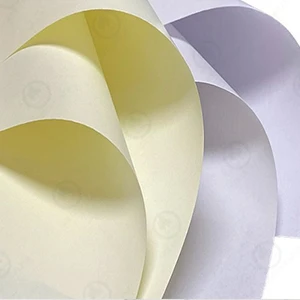
Phone:
0086 27 688745330086 18049845758
 GOLDEN PAPER

.webp "Digital Transfer Paper/Sublimation Paper")
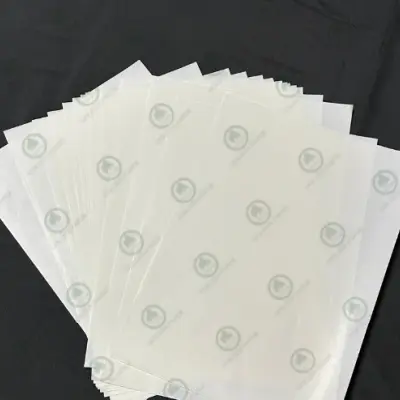
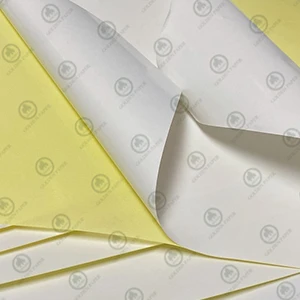
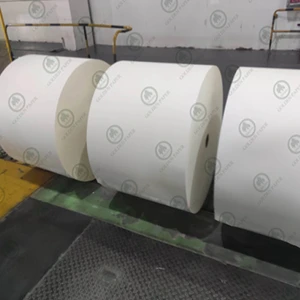

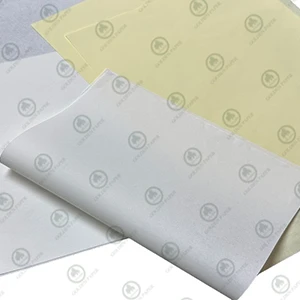


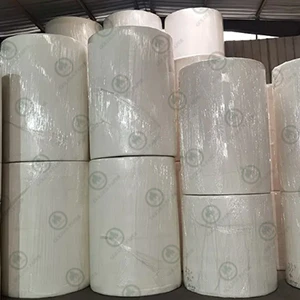
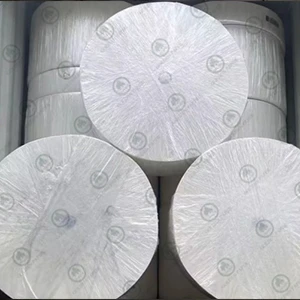

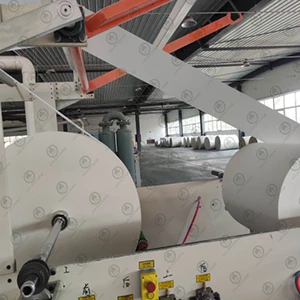
In the printing and packaging industry, choosing the right paper can significantly affect the look and feel of the final product. Coated paper and uncoated paper are the two most common types, each with distinct differences in production, appearance, print performance, and applications. Many buyers and printers often wonder: which type of paper is best for my project? To answer that, you need to understand the key differences between the two.
The main distinction between coated and uncoated paper lies in their manufacturing process.
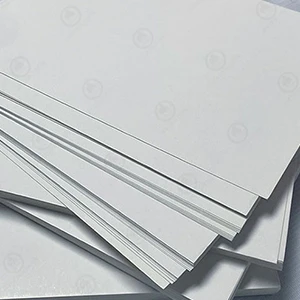
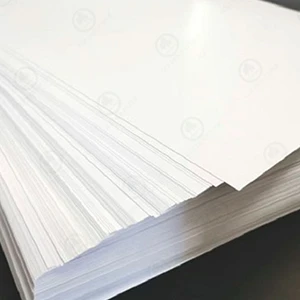
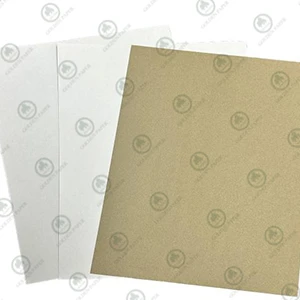
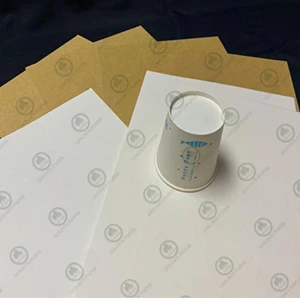
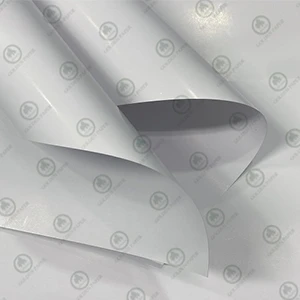
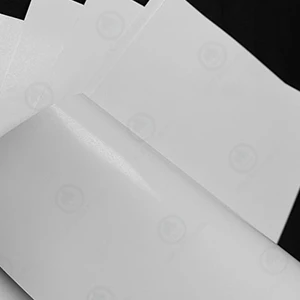
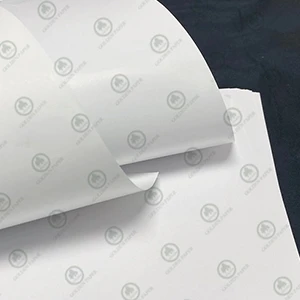
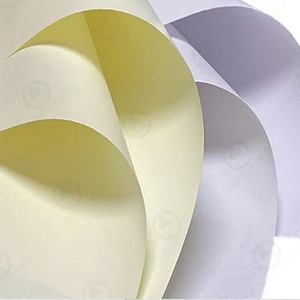
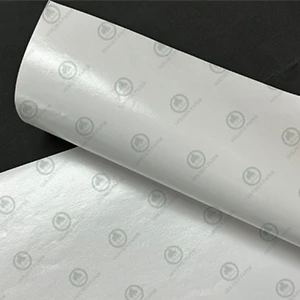
Coated paper is created by applying a layer of coating made from pigments (such as kaolin or calcium carbonate), binders, and additives onto the paper surface. After coating, the paper undergoes drying and calendering, resulting in a smooth, glossy, and uniform surface. This coating improves the paper’s appearance and increases its ability to hold ink. Depending on the finishing technique, coated paper can be glossy, matte, or satin, catering to different visual needs.
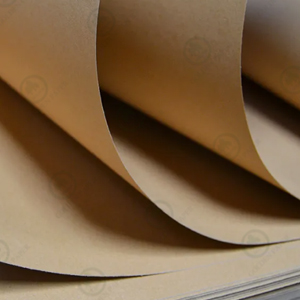
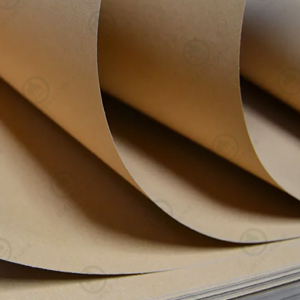
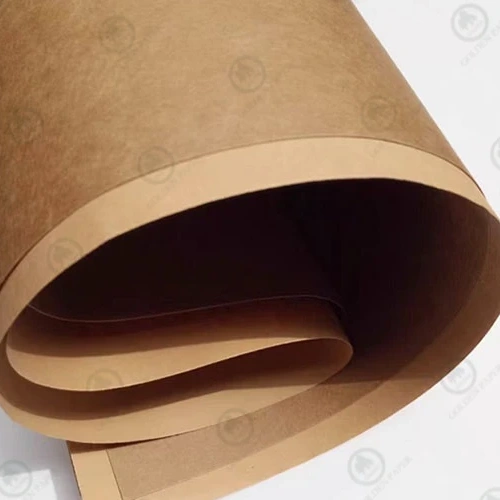
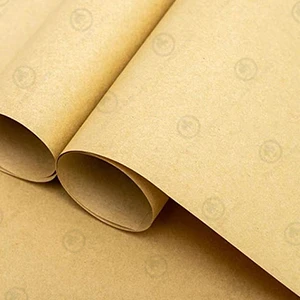
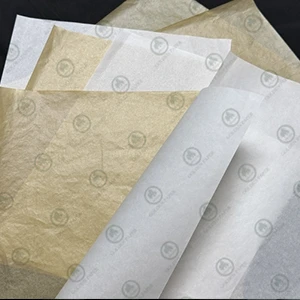
Uncoated paper, on the other hand, retains the natural texture of the pulp fibers and does not have a coating layer. Its surface is rougher and feels closer to the raw material. Production usually involves simple pressing, drying, and finishing, leaving the paper highly ink-absorbent and preserving its natural texture.

Coated and uncoated paper are easily distinguishable by look and feel.
Coated paper has a smooth, uniform surface that often exhibits a subtle sheen under light. This characteristic makes it ideal for printing images with vivid colors, high saturation, and sharp detail, giving a refined, premium feel. It is commonly used to convey a high-end, professional visual identity.
Uncoated paper has a rougher, matte surface where fibers are visible. Its natural texture offers a soft, tactile feel and a “natural” or “vintage” aesthetic. That’s why many eco-friendly, cultural, or premium brands prefer uncoated paper for books, stationery, and packaging—it communicates simplicity, authenticity, and sustainability.
While appearance and texture create the “first impression,” print performance determines practical use.
Coated paper’s surface allows ink to sit on top of the coating rather than soaking deeply into fibers. This produces sharp, vibrant, and detailed prints, making it ideal for high-resolution images, gradients, and color-rich designs. Coated paper is commonly used for magazines, brochures, posters, and premium packaging.
Uncoated paper absorbs ink more deeply, which can result in less vibrant colors and a softer visual effect. However, this is advantageous for text-heavy printing, as letters are clear, non-reflective, and easy to read for extended periods. Uncoated paper is widely used for books, newspapers, exam papers, notebooks, and also allows writing by hand without smudging—making it practical for office and stationery use.

The choice between coated and uncoated paper often comes down to visual impact versus functionality.
Coated paper excels in display-oriented applications such as advertising, art prints, high-end brochures, and luxury packaging. It brings colorful, detailed visuals to life and conveys quality and sophistication.
Uncoated paper focuses on practicality. It’s ideal for large-volume printing or products intended for frequent use, like books, notebooks, office paper, envelopes, and forms. With the rise of eco-conscious packaging, uncoated paper is also used for sustainable product packaging, such as coffee bags and environmentally friendly boxes.
Coated paper involves more complex manufacturing and additional materials, so it is generally more expensive than uncoated paper. It is best suited for projects where printing quality is a priority, such as limited-edition brochures or premium brand packaging.
Uncoated paper is less expensive and ideal for large-volume printing or text-heavy projects. It offers excellent cost-performance, making it perfect for office use, textbooks, or everyday printing needs.
Both types come in a variety of weights and sizes, so the final choice should consider budget, project goals, and desired visual effect—whether aiming for visual impact or practical efficiency.
Choosing the right paper depends on your budget, print content, and product positioning. At Golden Paper, we offer a wide range of high-quality coated and uncoated papers. Our team can provide professional guidance and customized recommendations to ensure your printing projects achieve optimal results. Contact us today for samples and quotes to find the perfect paper for your needs.