EN
EN
 fr
fr  de
de  es
es  it
it  ru
ru  pt
pt  ar
ar  vi
vi  tr
tr  id
id 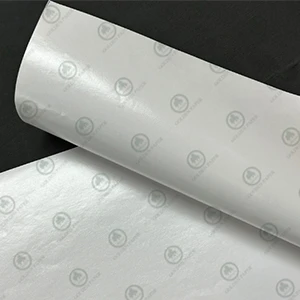
Phone:
0086 27 688745330086 18049845758
 GOLDEN PAPER

.webp "Digital Transfer Paper/Sublimation Paper")
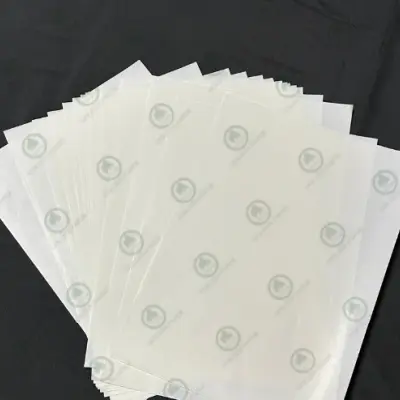
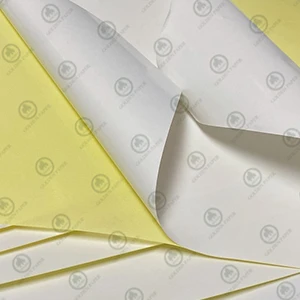
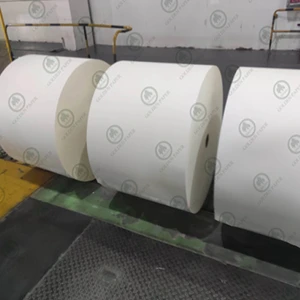

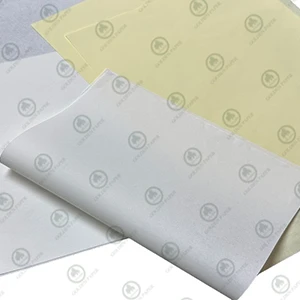

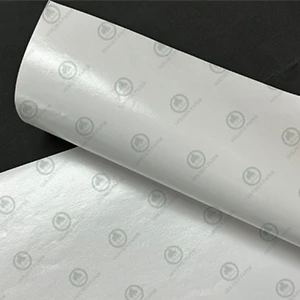
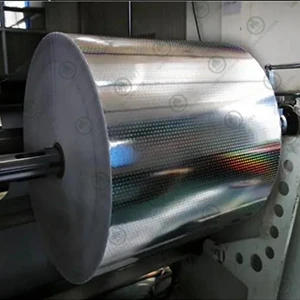
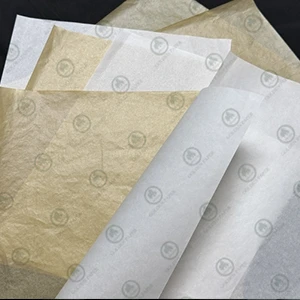

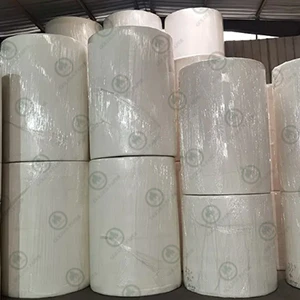
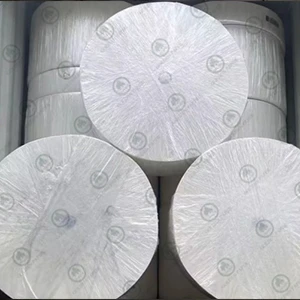

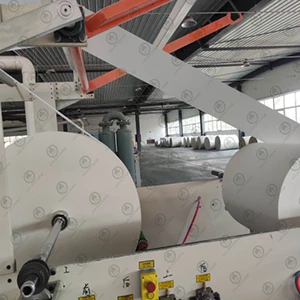
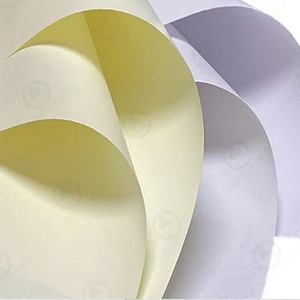
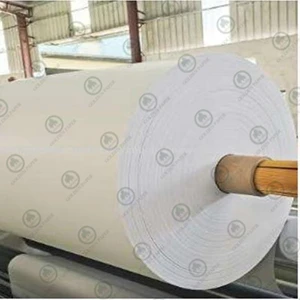
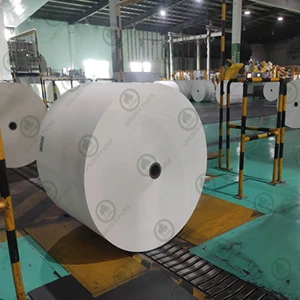
Not every type of paper can be used to print the Bible. Because the Bible contains a large amount of text and must remain lightweight and portable, it requires a very special kind of paper. You might have noticed how Bible pages are incredibly thin yet still clear, durable, and resistant to show-through—that’s Bible paper. As a professional paper manufacturer, we’re often asked: What makes Bible paper different from regular paper? Let’s break it down for you from a technical perspective.

The most distinctive feature of Bible paper is its lightweight and thin design. It usually weighs between 20–40 gsm, about half or even less than regular printing paper. Despite its thinness, it must still maintain high strength, smooth texture, and resistance to tearing. Achieving this balance requires advanced papermaking technology and precise fiber control.
Regular paper, on the other hand, comes in a wider range of weights — writing and offset papers typically range from 60 to 100 gsm, while coated paper and cover stock can reach 120 to 150 gsm or even higher.
While regular paper focuses on stiffness and print quality for everyday printing or packaging, Bible paper is engineered for extreme thinness without sacrificing readability or durability. That’s why even a thousand-page Bible remains surprisingly compact and easy to carry.
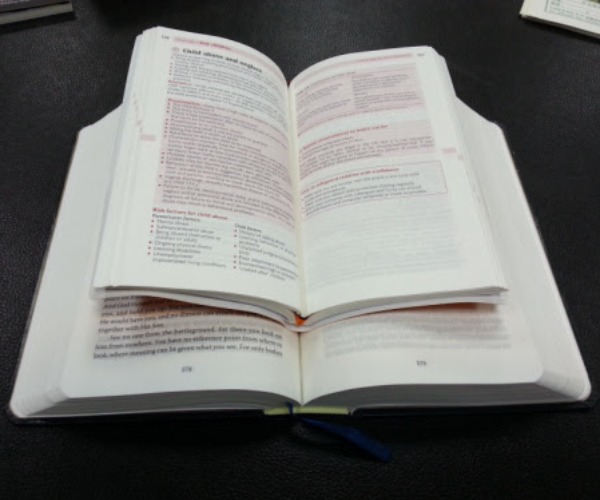
Bible paper is typically made from high-purity chemical wood pulp and treated to be acid-free, preventing yellowing or brittleness over time. Even after decades or a century, well-made Bible paper retains its smoothness and natural color.
Premium Bible paper is also tear-resistant and fold-durable, allowing readers to turn pages frequently without damage. Regular paper varies depending on pulp quality—high-grade offset or coated paper made from virgin pulp can be quite durable, while low-end paper with recycled fibers or impurities tends to yellow, crack, or shed powder over time.
That’s why Bible paper or archival-grade acid-free paper is preferred for printing sacred texts, valuable manuscripts, or long-term records.
Despite being thin, Bible paper must offer high opacity to prevent text from showing through the other side. Since Bibles are printed on both sides of each page, show-through can seriously affect readability. To achieve this, manufacturers carefully adjust fiber composition and filler density during production.
The surface of Bible paper also needs to be exceptionally smooth, ensuring fine text reproduction and consistent ink coverage. Ink must not bleed, smudge, or dust, resulting in crisp and clean pages.
By contrast, regular papers vary in their performance — copy paper offers moderate opacity and works well for everyday text, coated paper has a smooth surface suitable for color printing, while recycled or lightweight papers may show through or absorb too much ink.
Bible paper’s precision printing quality makes it unmatched in providing a flawless reading experience.
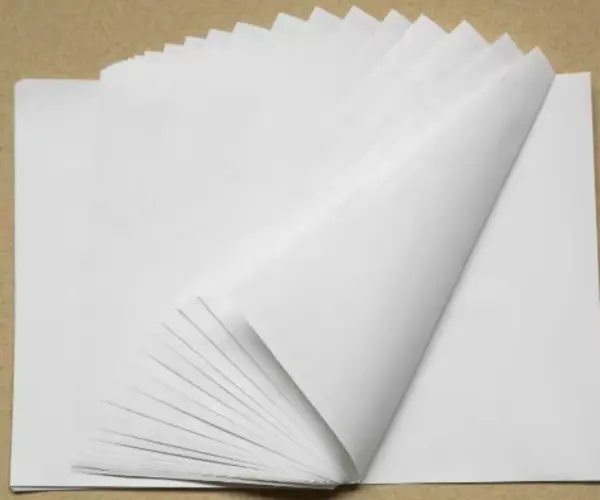
Bible paper isn’t just thinner regular paper—it’s a specialty grade designed specifically for high-page-count, high-durability books like Bibles, dictionaries, and pharmaceutical inserts.
Its production process is highly technical: manufacturers must precisely control paper grammage, ensure consistent thickness across rolls, and use specialized coating, calendering, and drying techniques to balance softness and strength. Some Bible papers even include custom fillers or coatings to boost opacity and print performance.
Regular paper, in contrast, is designed for versatility—used in textbooks, documents, brochures, or packaging. Its focus is on cost efficiency and scalability rather than precision.
In short, Bible paper represents the fine craftsmanship of modern papermaking.
Modern Bible paper must meet both performance and environmental standards. Many high-end Bible papers are printed using plant-based, non-toxic inks and produced under acid-free, ECF (Elemental Chlorine Free) or TCF (Totally Chlorine Free) processes to reduce environmental impact.
It also needs to absorb and fix ink efficiently, which is why printers often use low-VOC inks—these ensure crisp text while minimizing volatile organic compound emissions.
Regular paper’s environmental standards vary widely. Office and book paper may meet basic eco-requirements, but low-cost or recycled paper sometimes uses conventional inks or chlorine-bleached pulp, which are less environmentally friendly.
From production to printing, Bible paper reflects not just precision manufacturing—but also a commitment to sustainability and health safety.
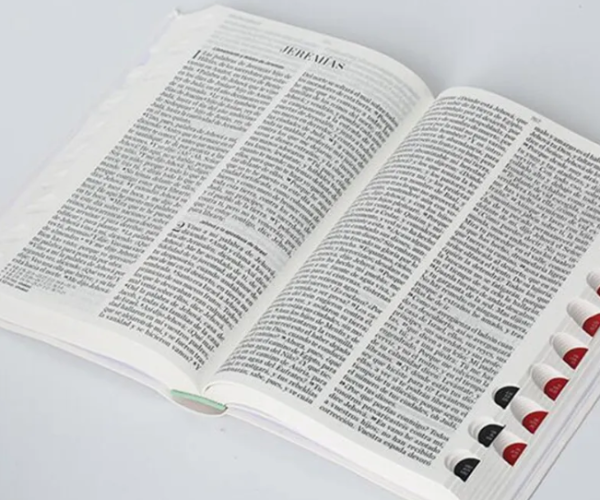
Because of its demanding production requirements—high-purity pulp, tight quality tolerances, and advanced coating control—Bible paper costs significantly more to produce than regular paper. Only a limited number of factories worldwide have the specialized thin-paper production lines and strict testing systems required.
Regular paper manufacturing is far more mature and cost-effective, offering a wide price range to suit various needs.
At Golden Paper, we understand that Bible paper is more than just a material—it’s a vessel for culture, heritage, and faith. That’s why we manage every step of production with care, ensuring every sheet is as light as air yet strong enough to last for generations.
The difference between Bible paper and regular paper goes beyond thickness—it’s about technology, longevity, and purpose. If you’re looking for high-quality Bible paper or custom book printing paper solutions, contact Golden Paper for samples and quotations. We offer reliable supply, expert advice, and tailored paper solutions to support your printing projects worldwide.