EN
EN
 fr
fr  de
de  es
es  it
it  ru
ru  pt
pt  ar
ar  vi
vi  tr
tr  id
id 
Phone:
0086 27 688745330086 18049845758
 GOLDEN PAPER






.webp "Digital Transfer Paper/Sublimation Paper")








Brand owners expect premium packaging, yet purchasing budgets continue to shrink. How can packaging buyers maintain quality while reducing costs? This article explains five practical strategies that help companies lower packaging costs without compromising performance. We'll cover High Bulk Board, FBB vs SBS, paperboard stiffness, printing performance, and supply chain optimization to show where real savings come from.
For many packaging buyers today, the biggest challenge isn't finding paperboard. The real challenge is balancing two competing goals. Marketing teams want packaging that reflects the value of the product. They expect cartons to feel thick and premium, reproduce colors accurately, and remain free from dents or deformation throughout transportation.
At the same time, businesses face rising operating expenses. Fluctuating raw material prices, increasing ocean freight costs, and ongoing cost-reduction initiatives have made packaging budgets a major concern for procurement teams. When costs increase, many companies immediately consider reducing basis weight or switching to lower-priced paperboard. While this may reduce the purchase price, it often creates new problems. Lighter paperboard with lower performance may weaken packaging strength, increase printing waste, and lead to more shipping damage. In the end, the total cost may actually increase. The most effective way to reduce packaging costs isn't simply negotiating lower prices. It's choosing the right paperboard based on its performance.

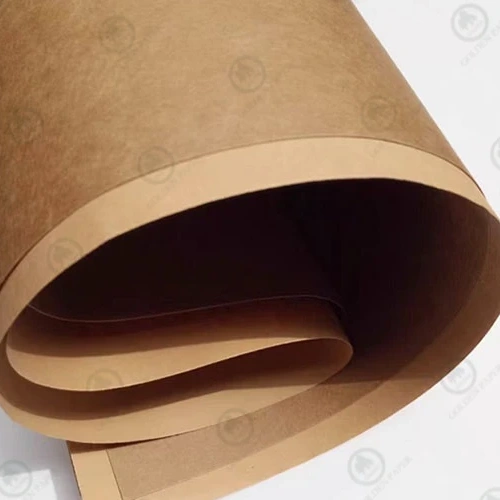
In recent years, High Bulk Board has become one of the most effective solutions for lightweight packaging. Bulk matters more than basis weight. Many buyers focus on GSM when purchasing paperboard. However, consumers don't notice the weight—they notice how thick and rigid the package feels. That's where bulk becomes important. Higher bulk means thicker paperboard at the same weight. Standard paperboard usually has a bulk around 1.0, while High Bulk Board can reach 1.3 or even higher.
As a result, reducing basis weight by several dozen grams often has little impact on the perceived thickness. For example, a 300 gsm High Bulk FBB can provide a thickness similar to a conventional 350 gsm board, giving consumers nearly the same premium feel. Lower weight saves more than material costs. Many companies assume High Bulk Board only reduces paper consumption.
In reality, transportation often creates even greater savings. Lower paperboard weight means more packages can be produced from one ton of paper. Individual pallets also become lighter. For exporters, this allows more finished products to be loaded into each container before reaching weight limits.
If your business ships large volumes every month, freight savings alone may exceed the savings from the paper itself. This is why many global brands now treat High Bulk Board as a strategic packaging solution rather than simply another paper grade.
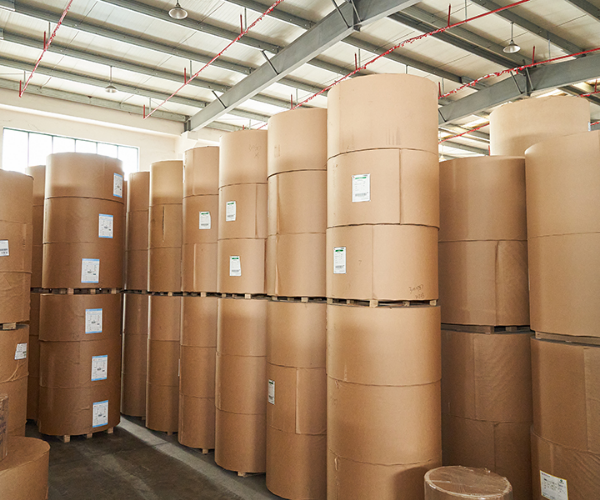
Many overseas buyers specify one requirement: "We must use SBS." However, that isn't always the most cost-effective choice. SBS isn't always necessary. SBS (Solid Bleached Sulfate) is made from 100% bleached virgin chemical pulp. It offers exceptional whiteness and a bright surface on both sides.
These characteristics make it ideal for applications that require an extremely premium appearance, such as luxury cosmetics and certain pharmaceutical packaging.
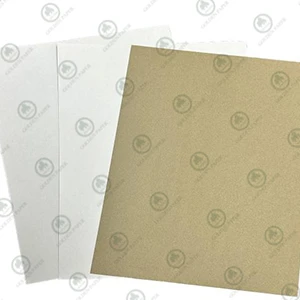
However, SBS is also one of the most expensive paperboards available.If your packaging doesn't require extremely high whiteness on both sides, continuing to use SBS often increases costs without providing meaningful additional value. FBB offers an excellent balance. FBB (Folding Box Board) uses a multi-layer fiber structure. The top layer consists of bleached chemical pulp to achieve excellent print quality, while the middle layers contain mechanical pulp that increases bulk and stiffness.
This combination allows FBB to deliver strong printing performance along with excellent rigidity. For food packaging, consumer electronics, and many personal care products, high-quality FBB fully meets performance requirements while usually costing less than SBS. As a result, more brands are replacing SBS with FBB to achieve a better balance between quality and cost.
Many purchase orders specify only 300 gsm or 350 gsm. However, basis weight alone doesn't determine packaging performance. Stiffness is the performance that matters. What brand owners really care about is whether the package keeps its shape. Paperboard stiffness depends on fiber composition, manufacturing technology, and finishing processes. Two boards with the same GSM can perform very differently.
When buyers focus only on basis weight, they often choose heavier grades simply to be safe. Instead, specifying Taber stiffness allows companies to select lighter paperboard that delivers the same or even better structural performance. Although this seems like a small adjustment to purchasing specifications, it can significantly reduce material costs over time.
Some companies purchase lower-priced paperboard to reduce procurement costs, but overlook hidden expenses during printing. Once paper enters the pressroom, its surface quality becomes critical. Better surface quality means less waste
If the coating is inconsistent, ink absorption also becomes inconsistent. Large solid colors may appear uneven, while foil stamping and UV coating may suffer from poor adhesion.
These problems increase rework, material waste, labor costs, and production downtime. Although the paperboard may cost slightly less, the additional production expenses can quickly outweigh the initial savings.
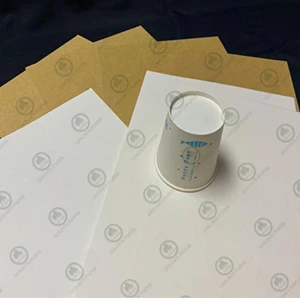
By comparison, premium C2S Art Board and high-quality FBB provide more consistent surface performance, improving first-pass printing success and keeping production running efficiently. For long production runs, this stability is often worth far more than saving a few dollars per ton.
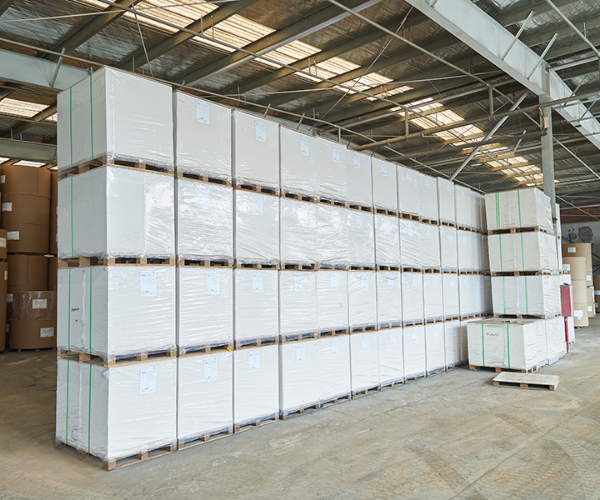
Many buyers compare paper prices but rarely evaluate supply chain costs. Every additional trading layer increases purchasing costs and makes delivery schedules harder to control. For exporters, transportation creates another major challenge.
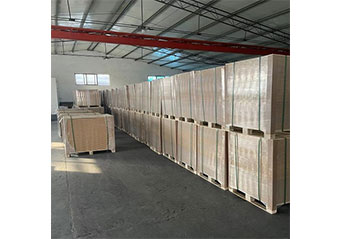
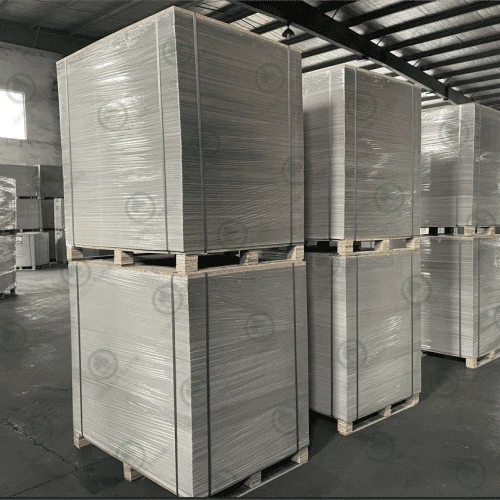
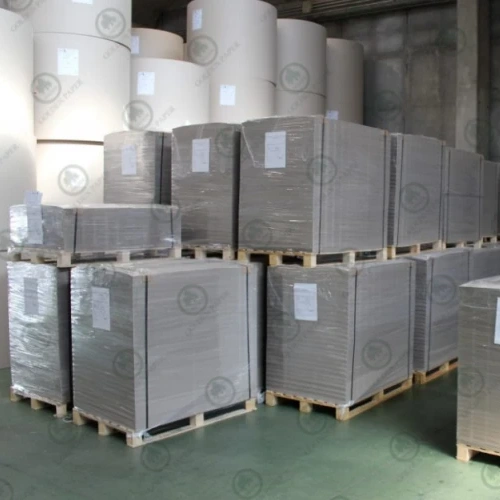
Packaging strength, pallet design, and container loading efficiency all influence freight costs and product condition upon arrival. Paper mills with extensive export experience typically optimize packaging based on shipping methods in different countries. They also design loading plans that maximize container utilization. These improvements may not appear on a technical data sheet, but they can significantly reduce transportation damage and lower total procurement costs.
Reducing packaging costs isn't simply about finding the lowest paper price. The real objective is lowering the total cost of ownership, from purchasing and printing to transportation and final delivery. Companies that adopt High Bulk Board, evaluate FBB vs SBS based on actual application requirements, specify Taber stiffness, and prioritize stable printing performance often discover substantial opportunities to reduce costs without sacrificing packaging quality.
For businesses looking to improve packaging competitiveness, changing purchasing strategies is usually far more effective than negotiating lower prices again and again.
Golden Paper Group supplies High Bulk FBB, High Bulk C2S Art Board, and other lightweight paperboard solutions to packaging manufacturers worldwide. Based on your product structure, packaging design, and shipping requirements, we recommend the most cost-effective paperboard for your application. We also provide free samples for testing, helping you reduce packaging costs while maintaining the quality your brand demands.