EN
EN
 fr
fr  de
de  es
es  it
it  ru
ru  pt
pt  ar
ar  vi
vi  tr
tr  id
id 


Phone:
0086 27 688745330086 18049845758
 GOLDEN PAPER



.webp "Digital Transfer Paper/Sublimation Paper")

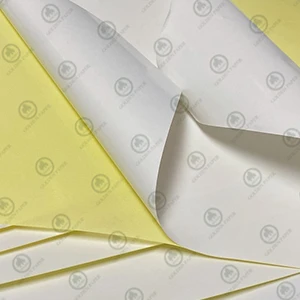
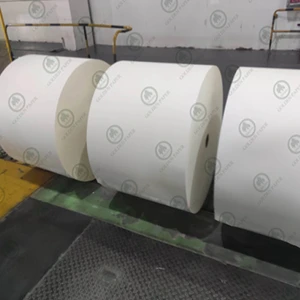

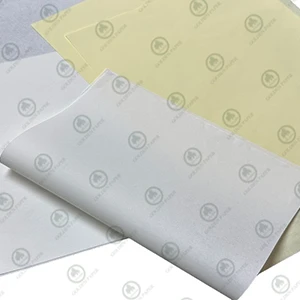

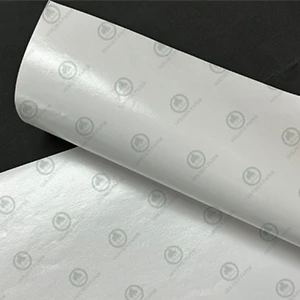

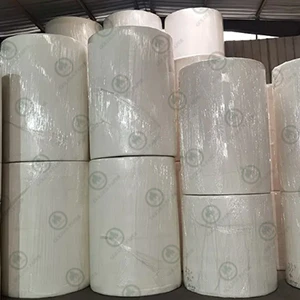
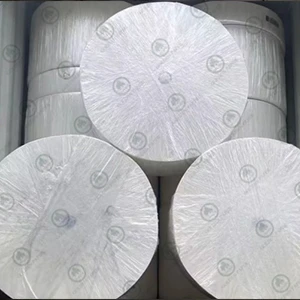

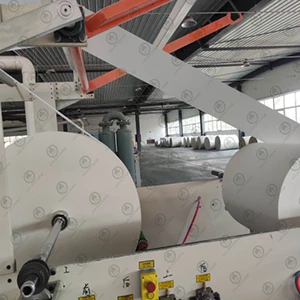
Liquid Packaging Board (LPB) is an essential material used for packaging dairy products, juices, and other liquid foods. When selecting a supplier, many buyers focus mainly on price and basic specifications. However, the actual performance of the board during production often has a greater impact on the final result. This article discusses common problems in LPB purchasing and explains how buyers can reduce supply risks before placing an order.
As the aseptic packaging market continues to grow, the demand for Liquid Packaging Board is also increasing. According to Grand View Research, the global aseptic packaging market is expected to maintain steady growth in the coming years, driven by rising demand from the dairy and beverage industries.
For liquid food manufacturers, LPB needs to perform well throughout the entire packaging process, including filling, transportation, and storage. Problems at any stage can affect the final packaging performance. One thing many buyers overlook is that Liquid Packaging Board with the same grammage does not always deliver the same results. The board structure, production control, and suitability for the specific application all influence how the material performs in real production environments. Therefore, choosing LPB based only on price and grammage may not truly reduce overall costs.
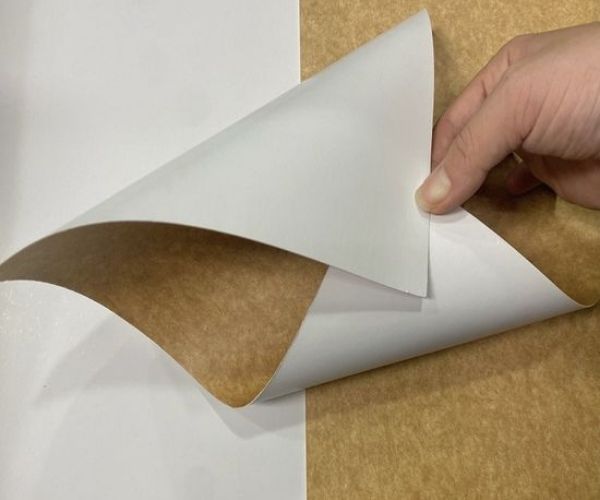
This is one of the most common issues when purchasing Liquid Packaging Board.
Some buyers find that the sample meets their requirements and performs well during initial filling tests. However, after the bulk shipment arrives at their facility, they may notice differences in performance between production batches.
The main reason is that samples cannot fully represent long-term production conditions. During LPB manufacturing, the board goes through multiple production stages. If process control is not consistent, variations may occur between different batches. For example, two products with the same specification of 300gsm may perform differently on high-speed packaging equipment if there are differences in thickness control or moisture management.
For buyers, approving the sample is only the first step. More importantly, they need to understand whether the supplier has the capability to maintain stable quality during large-scale production.
Before starting a long-term cooperation, buyers can request quality data from multiple consecutive production batches instead of relying on a single test report. This helps them better evaluate whether the product can meet their supply chain requirements.
After liquid products are packed, the cartons still need to go through transportation and storage under different environmental conditions.
Many packaging problems do not occur during the filling process but appear after the products leave the factory. For example, cartons may become softer after long-distance ocean transportation or fail to maintain their original shape during warehouse storage.
One important factor behind this issue is humidity. Paper is a natural fiber-based material. When environmental humidity changes, the fiber structure can also be affected. If Liquid Packaging Board cannot maintain sufficient structural support, the carton may deform during transportation.
This issue is especially important for export markets. Some regions experience high temperatures and humidity during transportation. In long-distance ocean shipping, the conditions inside a container can be very different from standard laboratory testing environments.
Therefore, when purchasing LPB, buyers should not only review test results under standard conditions but also understand how the product performs in real transportation environments.
Whether a supplier considers performance changes caused by humidity is an important factor in evaluating product reliability.
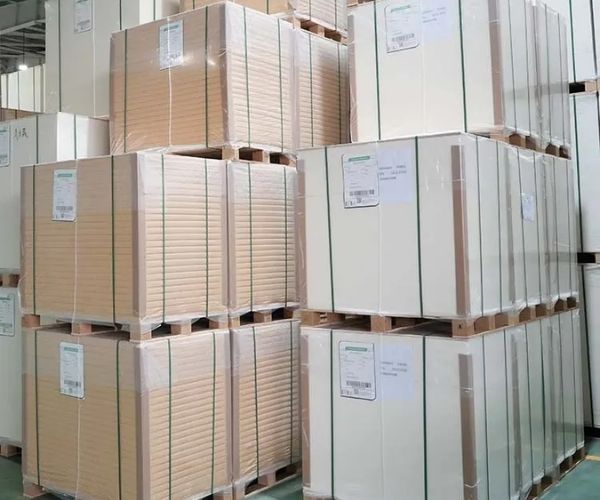
You may assume that Liquid Packaging Board meeting the required specifications can be used directly on different filling machines. However, LPB performance is closely related to equipment compatibility.
Modern liquid packaging lines usually operate at high speeds. The board needs to remain stable during continuous folding and sealing processes. If the material does not match the requirements of the equipment, production efficiency may be affected.
For example, a certain board grade may have been tested successfully on one type of filling machine, but that does not mean it can perform equally well on every packaging system. Different machines may have different requirements for board processing performance.
Therefore, buyers should communicate their application requirements with suppliers before placing an order, including equipment type, product category, and production conditions.
A professional Liquid Packaging Board supplier should not simply provide a quotation based on grammage. Instead, the supplier should help confirm whether the product is suitable for the buyer’s actual production environment.
Early communication can help prevent compatibility issues after the material arrives at the factory.
In recent years, packaging material compliance requirements in export markets have continued to increase.
In the past, many buyers mainly focused on whether products met basic quality standards. However, as global supply chain management becomes stricter, companies need to pay more attention to raw material sources and regulatory requirements.
For example, the European Union Deforestation Regulation (EUDR) is affecting supply chains involving wood and pulp-based products. For LPB buyers exporting to Europe, having FSC certification alone does not necessarily mean that all regulatory requirements are fully met.
FSC focuses mainly on responsible forest management, while EUDR places greater emphasis on supply chain traceability, including information about raw material origins.
Therefore, if your target market includes the EU, you should confirm in advance whether the supplier can provide the necessary supporting documents and explain its raw material management process.
Compliance issues may not affect the early stages of an order, but once goods arrive at the destination market, they may directly impact customs clearance and delivery schedules.
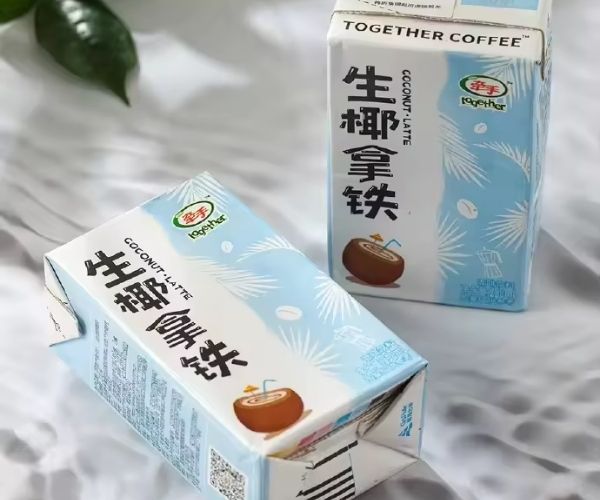
Price is always an important factor in purchasing decisions. However, for Liquid Packaging Board, the lowest quotation does not always mean the lowest overall cost.
The reason is simple: LPB supports the entire packaging process rather than functioning as just another raw material.
If the material causes problems during production, companies may face additional costs. For example, packaging materials that cannot be used properly may require production adjustments and could even affect customer deliveries.
Compared with the difference in purchase price, the cost of production interruptions is often much higher.
As a result, more companies are focusing on total purchasing costs rather than only the price per ton. A supplier’s production capability, quality control system, and problem-solving ability all influence the long-term cooperation cost.
For companies that regularly purchase LPB, choosing a reliable supply partner is often more valuable than simply selecting the lowest-priced option.
Before purchasing Liquid Packaging Board, buyers should confirm whether the supplier truly understands their application requirements.
First, buyers need to clearly define the end use, such as dairy packaging, juice packaging, or other liquid food applications. Different applications may require different board performance.
Second, buyers should check whether the supplier can provide stable bulk production records instead of only laboratory samples.
At the same time, buyers should confirm that the required certifications and compliance documents are complete, especially when exporting to specific markets.
Finally, communicating production equipment information with the supplier is also important. Confirming application compatibility in advance can help reduce potential production risks.
Choosing an LPB supplier should not be based on a single quotation. A reliable supplier needs to have consistent production capability and understand the practical needs of customers in the liquid packaging industry.
For international buyers, a good supplier should not only provide products that meet specifications but also maintain effective communication throughout order execution. When market conditions change or production requirements are adjusted, the supplier’s ability to respond quickly can also affect long-term cooperation.
Therefore, when selecting a Liquid Packaging Board supplier, companies should consider whether the supplier has experience serving international markets over the long term, rather than focusing only on short-term price advantages.
The key to purchasing Liquid Packaging Board is not finding the lowest-priced product, but finding the right material and supplier that can support stable production. Understanding common LPB problems in advance can help buyers reduce risks and build a more reliable supply chain. With years of experience in global paper exports, Golden Paper has extensive knowledge in supplying packaging paper solutions for international customers. Contact us today to request samples and get a quotation.