EN
EN
 fr
fr  de
de  es
es  it
it  ru
ru  pt
pt  ar
ar  vi
vi  tr
tr  id
id 

Phone:
0086 27 688745330086 18049845758
 GOLDEN PAPER

.webp "Digital Transfer Paper/Sublimation Paper")





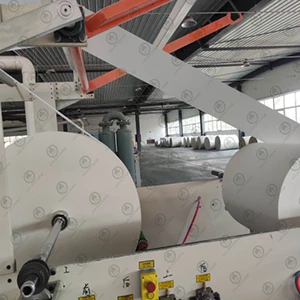
Among all the performance indicators of paper, stiffness is often overlooked. However, for printing houses and packaging manufacturers, it plays a vital role in determining the final product’s quality and usability. The right paper stiffness not only enhances the strength and appearance of packaging boxes but also improves printing performance and consumer experience. This article explores how paper stiffness affects packaging, printing, and overall user experience.
Paper stiffness directly affects a package’s load-bearing and protective abilities. Stiffer paperboard can better withstand stacking pressure and external impact without collapsing or deforming. Stiffness is closely related to grammage, thickness (caliper), and fiber composition. Higher bulk and long-fiber content typically increase bending resistance, which is especially important for corrugated cartons and folding boxboard used in heavy-load packaging.
During transportation, packaging is often stacked in multiple layers. If the paper lacks stiffness, the box may deform under weight, causing product damage or even losses. For export packaging, this structural weakness can be critical — compromising safety and leading to customer complaints.
That’s why paper stiffness is considered a key quality factor in food packaging, electronics packaging, and e-commerce shipping boxes. Using paper with higher stiffness improves compression resistance and overall durability, ensuring your packaging remains strong and intact even during long-distance transport. For export cartons, edge crush resistance (ECT) and bending stiffness should be evaluated together to ensure structural stability during container stacking and warehouse storage.
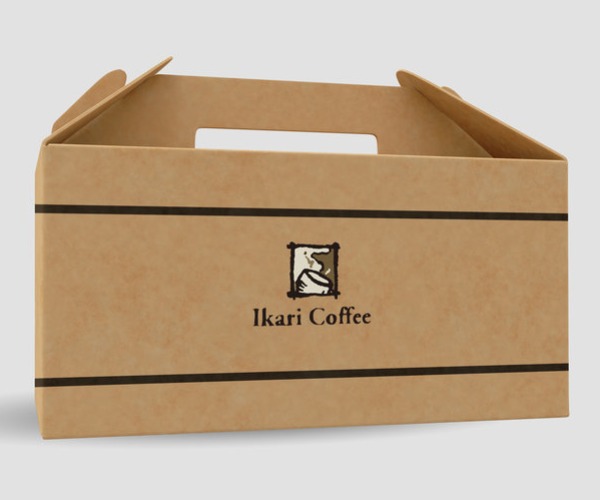
Stiffness also determines how well the packaging maintains its shape. Stiffer paper holds folds sharply, keeps edges clean, and ensures neat sealing. In contrast, paper that is too soft may wrinkle or curl during forming, resulting in uneven appearance or poor sealing — especially problematic for gift boxes or premium food packaging, where even slight deformation can downgrade the visual appeal.
In automated production lines, low stiffness can cause issues such as poor folding, misalignment, or inaccurate sealing, reducing efficiency. Proper stiffness ensures smoother packaging operations and consistent product quality.
During printing, paper passes through rollers and feeders. Paper with good stiffness runs smoothly through the machine, minimizing paper jams, misfeeds, and curling.
Stiffness also affects how paper responds to pressure. Paper that is too soft may compress unevenly, causing registration errors, ink smearing, or color variation. Excessively stiff paper, on the other hand, may prevent even ink transfer.
Therefore, paper mills often adjust stiffness levels according to printing methods — offset printing, gravure, or flexographic printing — to balance smoothness and stability.
If you’re printing premium catalogs, folding cartons, or display boxes, testing the paper’s stiffness before large-scale production can help ensure optimal performance.
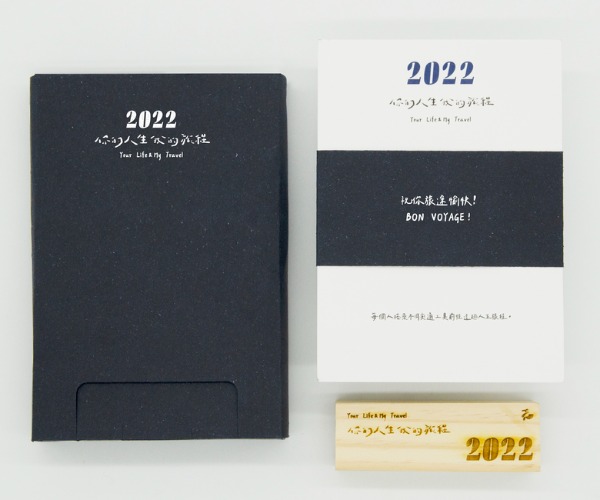
In post-press processing, stiffness is a key factor in die-cutting, creasing, and folding.
If the paper is too soft, it may tear or crack under pressure; if it’s too stiff, it can wear out the cutting blades or fail to fold properly. For complex packaging structures or custom-shaped boxes, stiffness directly influences 3D appearance and forming accuracy.
For large printing facilities, it’s recommended to test paper stiffness during the sample-making stage to ensure stable and consistent production quality. The right stiffness not only enhances die-cut accuracy but also maintains good support and shape in the finished product, giving your packaging a professional and high-end look.
Paper stiffness directly affects how consumers perceive product quality. Moderately stiff paper feels firm and smooth, giving a sense of durability and refinement.
For books, notebooks, or office paper, too little stiffness makes pages curl or wrinkle easily, affecting writing and reading comfort. Too much stiffness, however, can make paper difficult to fold or bind.
In packaging, visual perception also matters — stiff paperboard maintains its flatness and sheen, helping boxes look neat and premium. This is why many luxury brands prefer Ivory board or coated kraft board (CKB) with optimized stiffness for a high-end presentation.

Beyond aesthetics, stiffness also ensures functionality.
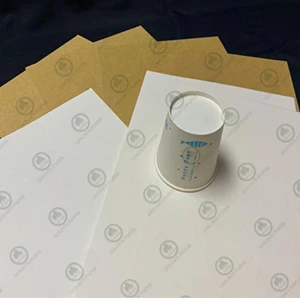
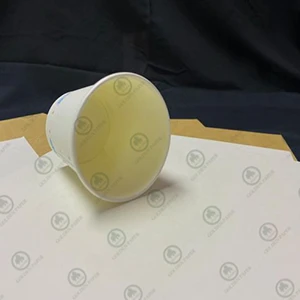
Products like paper cups, takeaway boxes, and disposable food containers need sufficient stiffness to maintain shape and prevent leaks. Meanwhile, drawing or writing paper should balance stiffness with flexibility and ink absorption for a smooth experience.
Modern composite and barrier papers — such as liquid packaging board or coated kraft paper — are engineered with specific stiffness levels to enhance durability, moisture resistance, and machinability. Stiffness, therefore, not only determines physical strength but also defines how well paper performs in specialized uses.
Paper stiffness is a fundamental yet crucial property that influences every stage — from production and printing to processing and end use. It directly affects strength, print accuracy, appearance, and user experience. As a leading paper supplier, Golden Paper focuses on providing paper and board with stable stiffness and consistent quality. Contact us today to request samples and discover how Golden Paper can help your business achieve stronger, smoother, and more professional results.