EN
EN
 fr
fr  de
de  es
es  it
it  ru
ru  pt
pt  ar
ar  vi
vi  tr
tr  id
id 





Phone:
0086 27 688745330086 18049845758
 GOLDEN PAPER













.webp "Digital Transfer Paper/Sublimation Paper")



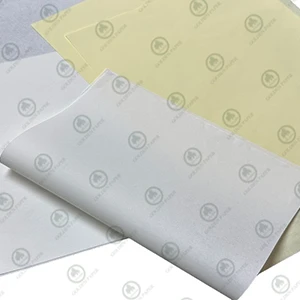

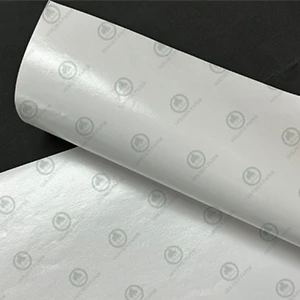

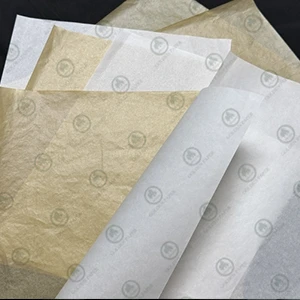

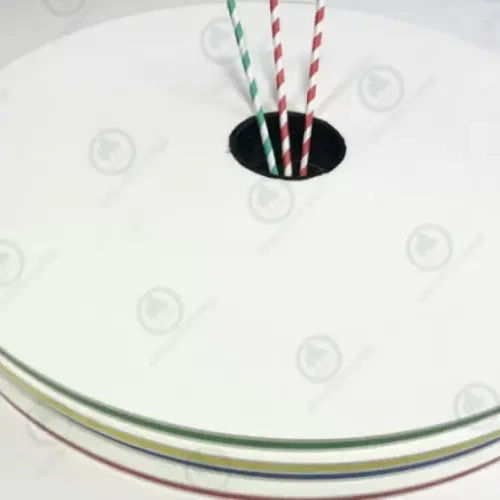

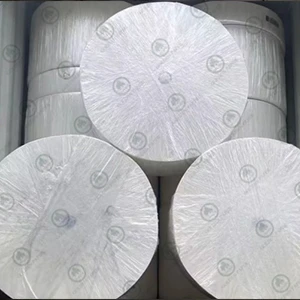


Tissue paper refers to a range of disposable paper products used in daily life—such as toilet paper, facial tissues, hand towels, and napkin paper. While all are made of paper, they serve different purposes depending on the situation. In this guide, we’ll walk you through the common types of tissue paper categorized by application, helping you choose the right product based on your specific needs.

Tissue paper plays a vital role in maintaining personal hygiene, offering comfort, cleanliness, and convenience without the need for secondary cleaning.
Toilet tissue paper is commonly used after using the restroom. It must be soft, absorbent, and flushable, making it suitable for both home and public restrooms. Key specifications include ply (1-ply to 4-ply), grammage (typically 12–18gsm per ply), and wet strength. Proper balance ensures comfort while maintaining sufficient durability during use and safe disintegration after flushing.
Facial tissue paper is ideal for wiping the face, blowing the nose, or removing makeup. It’s softer than standard issue paper and gentle enough for skin contact. This type of tissue is widely used in homes, cars, offices, and personal care kits. High-quality facial tissue is usually made from 100% virgin pulp, ensuring better softness and lower linting. Embossing patterns are also applied to improve bulk and enhance tactile experience.
In kitchens, washrooms, and high-traffic public areas, hand towel paper is key to maintaining hand hygiene.
Hand towel paper is highly absorbent and tear-resistant. It’s commonly found in shopping malls, office buildings, hospitals, and other shared washroom facilities. Hand towel paper is typically available in C-fold, V-fold, and Z-fold formats. Selecting the correct fold type ensures compatibility with dispensers and reduces paper waste in high-traffic environments.
Compared to cloth towels, paper hand towels are more hygienic and reduce the risk of bacterial growth and cross-contamination. They’re often dispensed via wall-mounted paper towel dispensers for easy, single-use access. For high-usage locations, choosing higher GSM and reinforced fiber structure improves wet strength and reduces tearing during use, lowering overall consumption per user.
Tissue paper is essential at the table, both in households and the food service industry, enhancing cleanliness and customer experience.
Napkin paper is used to wipe the mouth and hands, protect clothing from spills, or serve as a disposable placemat. It’s a staple in restaurants, cafes, takeout packaging, and home kitchens. For food-contact applications, napkin paper should comply with food safety standards such as FDA or EU regulations. Low odor and chemical-free production are critical to ensure no contamination of food products.
In premium settings like weddings or business dinners, custom napkins—including colored, patterned, or logo-printed versions—add a touch of branding and elegance. Custom printing options include flexographic or offset printing, allowing brands to incorporate logos, patterns, and marketing messages directly onto napkins, enhancing brand visibility at low cost.
In high-traffic areas and workplace environments, tissue paper helps maintain sanitary standards and convenience.
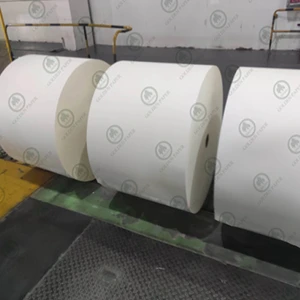
Jumbo rolls of toilet paper and multi-fold hand towels are commonly used in public toilets, airports, metro stations, and office buildings for easy centralized management. Jumbo rolls significantly reduce maintenance frequency and labor costs, making them ideal for facilities management companies and large-scale commercial buildings.
Facial tissue boxes are often placed in hotel lobbies, reception areas, or waiting rooms to provide comfort and convenience to guests.
In hospitals, clinics, and nursing homes, tissue paper products must meet strict hygiene and safety standards. Products used in medical environments often require compliance with ISO quality standards and must be free from fluorescent agents, heavy metals, and harmful additives.
Facial tissues and toilet paper are used for patient care due to their softness and lint-free properties, reducing irritation and infection risks.
Hand towel paper helps medical staff dry hands quickly and maintain sterile conditions, minimizing the spread of germs. Low linting and high wet strength are critical in healthcare settings, as fiber shedding can compromise sterile environments.
If you’re buying tissue paper in bulk, here are a few common mistakes to avoid:
Overlooking dispenser compatibility: Different locations use different dispensers. Make sure the roll size or fold type matches.
Ignoring ply and GSM: Going for the cheapest tissue often means complaints about tearing or roughness. Know your minimum specs. For example, standard toilet tissue for commercial use is often 2-ply with controlled softness, while premium facial tissue may require higher ply and better embossing for improved user experience.
No certification check: For medical or food service use, FSC, ISO or FDA compliance may be required.
Too many SKUs: Simplify your product lines. Often, a well-chosen 2-ply napkin and mid-range hand towel can serve multiple clients.
Knowing these pitfalls helps you avoid costly returns or unhappy customers.
Tissue paper is a high-volume consumable, but quality matters just as much as quantity. Partnering with a reliable supplier ensures product consistency and performance. At Golden Paper, we offer tailored tissue paper solutions to meet your exact needs—whether for personal, commercial, or institutional use. Contact us today to request samples or discuss your sourcing requirements. Let’s grow your business together!