EN
EN
 fr
fr  de
de  es
es  it
it  ru
ru  pt
pt  ar
ar  vi
vi  tr
tr  id
id 
.webp "Digital Transfer Paper/Sublimation Paper")
Phone:
0086 27 688745330086 18049845758
 GOLDEN PAPER

.webp "Digital Transfer Paper/Sublimation Paper")
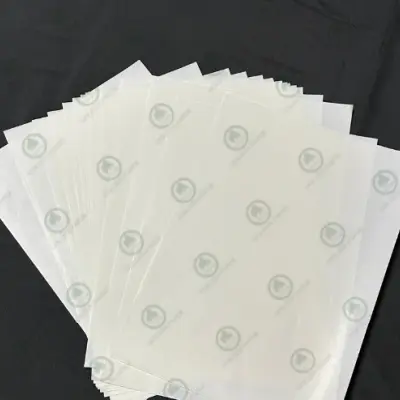
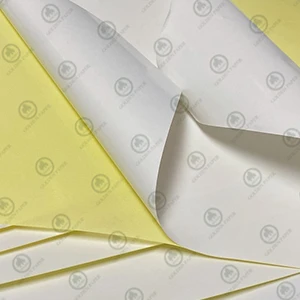
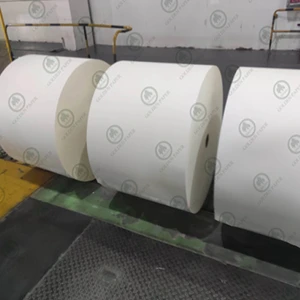

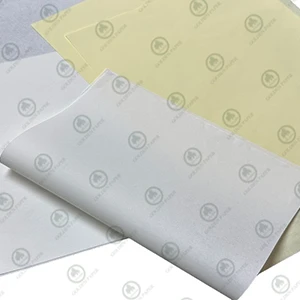

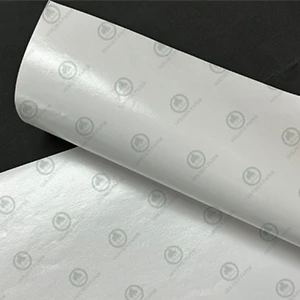

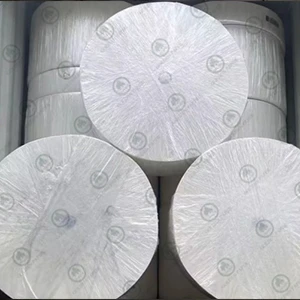

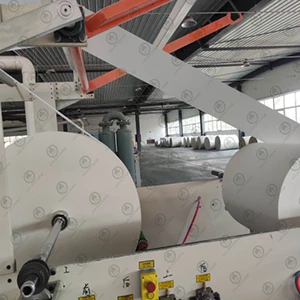
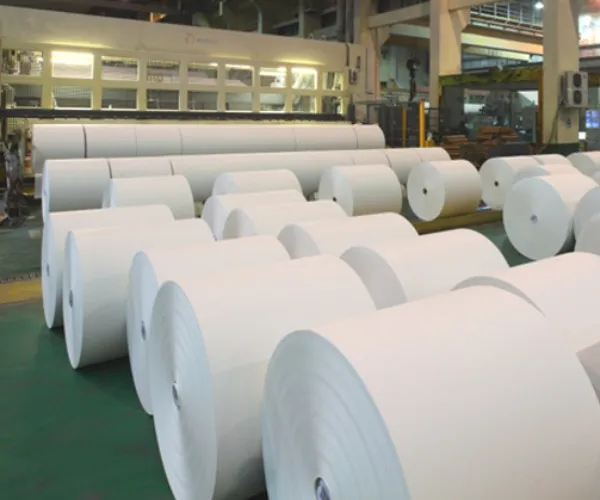
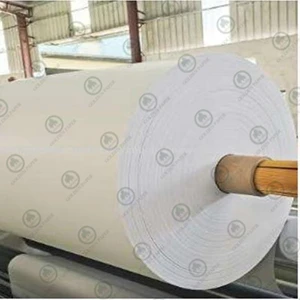
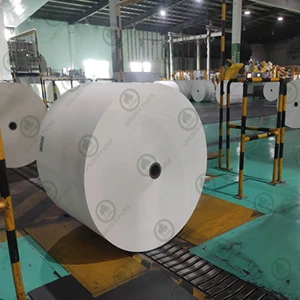
Liquid packaging board is a crucial component in the packaging of milk and dairy products. This specialized type of board provides the necessary barrier properties to ensure that the products remain fresh and safe for consumption. In this blog, we will explore the importance of liquid packaging board in milk and dairy product containers, and how it plays a key role in maintaining product quality and safety.
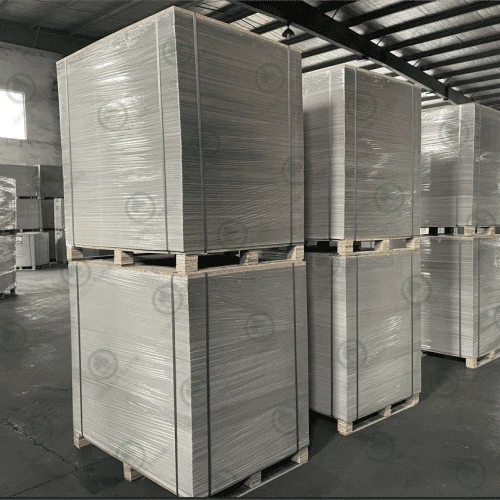
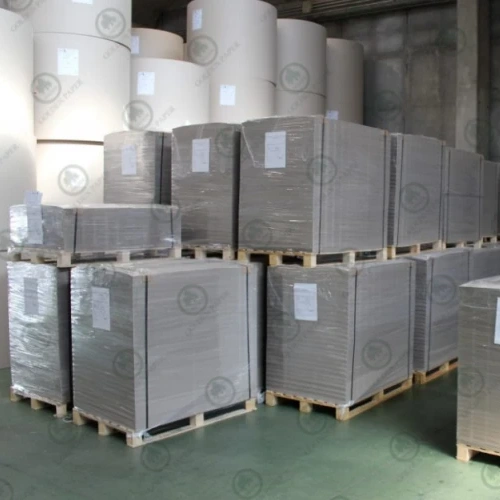
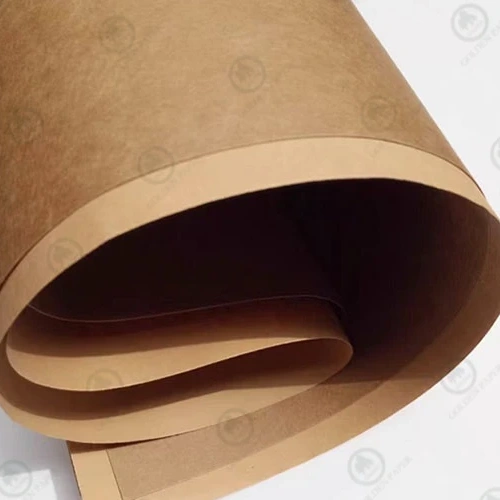
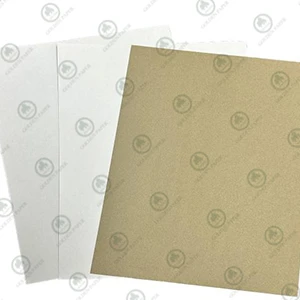
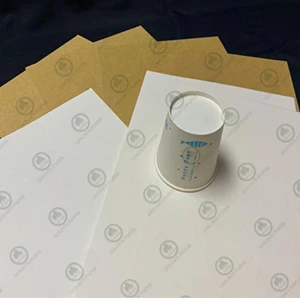
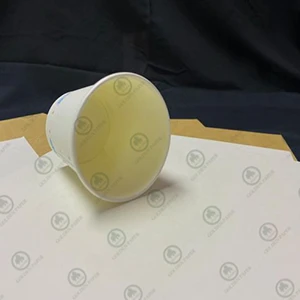
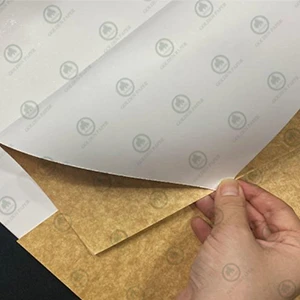
Liquid packaging board is a type of paperboard that is specifically designed for packaging liquid products such as milk and dairy. It is coated with a thin layer of polyethylene on both sides to provide moisture resistance and prevent leakage. This combination of paperboard and polyethylene makes liquid board an ideal choice for liquid containers, as it offers both structural strength and barrier properties. In typical liquid packaging structures, the paperboard layer provides stiffness and shape stability, while the polyethylene layers act as moisture barriers and sealing layers during forming and filling.
There are several benefits to using liquid board in milk and dairy product containers. Firstly, the barrier properties of the board help to prevent oxygen, light, and moisture from entering the packaging, which can lead to spoilage and deterioration of the product. This helps to extend the shelf life of the products and maintain their freshness. Effective barrier protection also helps preserve flavor, aroma, and nutritional value, which is especially important for milk, yogurt drinks, and other sensitive dairy products.
Additionally, liquid board is lightweight and easy to handle, making it convenient for both manufacturers and consumers. The material is well-suited for high-speed filling and sealing equipment, allowing dairy producers to maintain efficient and stable production with minimal packaging failure rates. It is also recyclable and often made from sustainable sources, making it an environmentally friendly packaging option.
Quality control is essential when it comes to liquid packaging board, as any defects or flaws in the board can compromise the integrity of the packaging. Manufacturers must ensure that the board meets stringent quality standards and undergoes thorough testing to guarantee its performance in liquid containers.
Key quality control indicators include board thickness uniformity, coating adhesion, pinhole resistance, and sealing performance. These factors directly influence leak prevention and long-term storage reliability.
From ensuring the proper thickness and coating of the board to assessing its resistance to moisture and other environmental factors, quality control measures are essential to producing high-quality liquid packaging board that meets the specific requirements of milk and dairy product containers.
Advancements in technology have led to innovations in liquid board, with paper board manufacturers continuously improving the performance and sustainability of the board. New coatings and additives are being developed to enhance the barrier properties of the board, while also making it more lightweight and cost-effective. Some developments also focus on reducing plastic content or improving recyclability without compromising barrier performance, helping liquid packaging board align with evolving environmental regulations.
Furthermore, sustainable practices such as using renewable materials and reducing waste are becoming increasingly important in the production of liquid packaging board. By adopting innovative technologies and environmentally friendly practices, manufacturers can reduce their carbon footprint and offer consumers more sustainable packaging options for milk and dairy products.
In conclusion, liquid packaging board plays a crucial role in the packaging of milk and dairy products, providing the necessary barrier properties to protect the products and maintain their freshness. By understanding the benefits of using liquid packaging board, the importance of quality control, and the latest innovations in technology, paper manufacturer can continue to improve the performance and sustainability of this essential packaging material.