EN
EN
 fr
fr  de
de  es
es  it
it  ru
ru  pt
pt  ar
ar  vi
vi  tr
tr  id
id 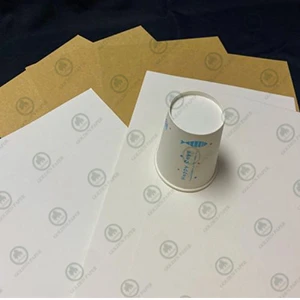

.webp "Will Increased Paper Usage Lead to Forest Loss?")
Phone:
0086 27 688745330086 18049845758
 GOLDEN PAPER

.webp "Digital Transfer Paper/Sublimation Paper")
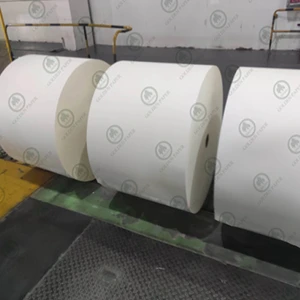

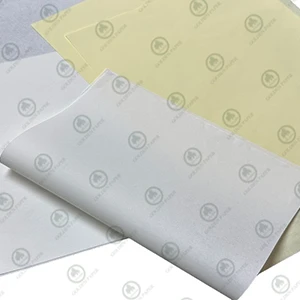

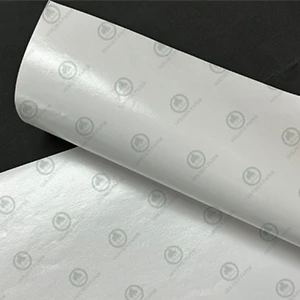
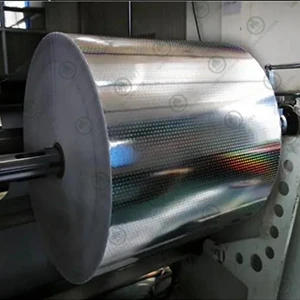
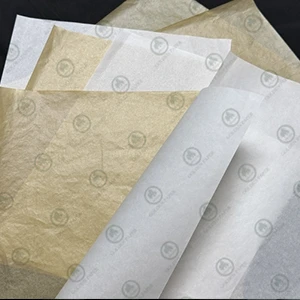
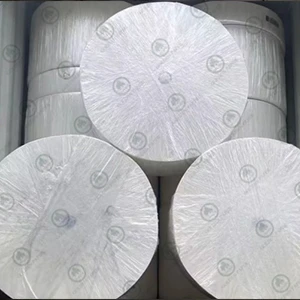

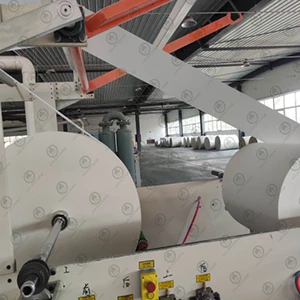
Choosing the right packaging paper is crucial for your product’s appearance, protection, and branding. Each type of packaging paper has unique characteristics in terms of thickness, stiffness, surface texture, and printability. The right paper can elevate your packaging and enhance your brand image. Here are six commonly used types of industrial packaging paper and their typical applications.
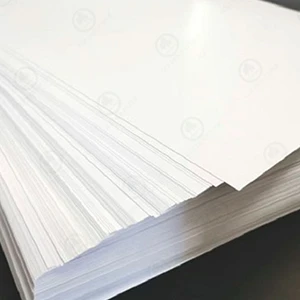
Ivory board is a top choice for luxury packaging. Made from 100% virgin wood pulp, this paper features a smooth surface, high brightness, and excellent print performance. It delivers vibrant colors and a premium feel, making it ideal for gift boxes, smartphone boxes, cosmetics packaging, and other high-end products. This paper is available in various grammages ranging from 190gsm to 450gsm, providing flexibility for different packaging thickness requirements. C1S Ivory Board also supports special finishing techniques such as embossing, foil stamping, and spot UV coating, which further enhance its premium visual appeal. Due to its solid bleached structure, C1S ivory board also provides good folding endurance and surface strength, reducing cracking during die-cutting and creasing. This makes it especially suitable for automated box-forming lines used in large-scale packaging production.
High bulk FBB (Folding Box Board) is thicker than standard ivory board, offering better protection and durability.
GC1: Coated on one side, perfect for single-sided printing.
GC2: Coated on both sides, suitable for double-sided printing.
This paper is ideal for medicine boxes, perfume packaging, frozen food boxes, and more. It provides both stiffness and excellent printability, helping your product stand out on the shelf. The main advantage of high bulk FBB lies in its superior stiffness-to-weight ratio, which means it feels thicker and stronger without increasing weight or cost. This feature helps reduce raw material consumption while maintaining excellent protection. Additionally, it is compatible with offset printing and flexographic printing, making it suitable for a wide range of packaging machinery and printing methods. The multilayer construction of high bulk FBB enhances bending stiffness while maintaining relatively low grammage. This allows manufacturers to achieve thicker visual appearance without significantly increasing transportation weight or raw material costs.
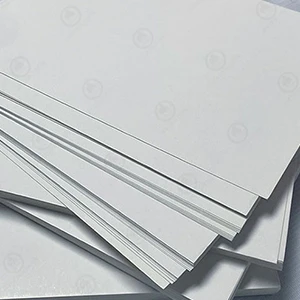
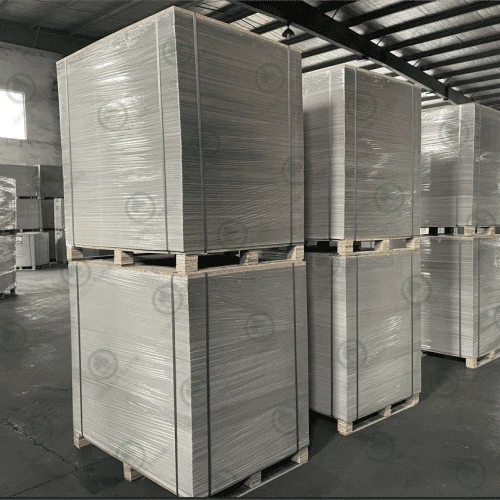
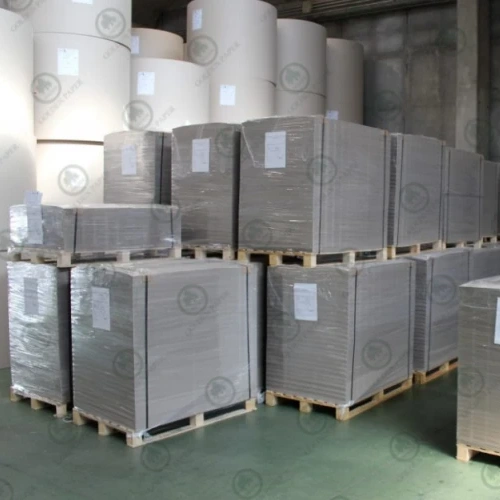
If your packaging needs structure and strength, grey board is the way to go. Made from recycled paper pulp, it’s stiff, stable, and cost-effective. Common uses include rigid gift boxes, hardcover book covers, and photo frame backboards. While it’s not suitable for high-end printing, it’s perfect for inner support and structural components. It is available in single-layer and multi-layer constructions, with thickness typically ranging from 0.8mm to 3mm. To improve appearance and usability, grey board can also be laminated with colored paper, white paper, or specialty wrapping paper to create rigid boxes or book covers with enhanced aesthetics. In rigid box manufacturing, grey board is typically used as the core structural layer and then wrapped with printed art paper or specialty paper. The density of the board plays a key role in determining the final box strength and dimensional stability.
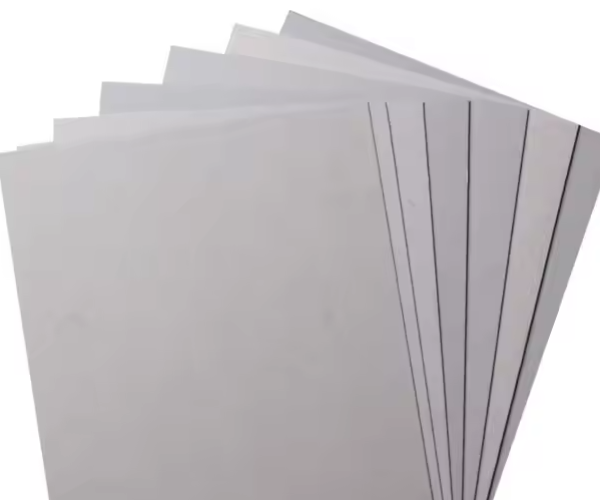
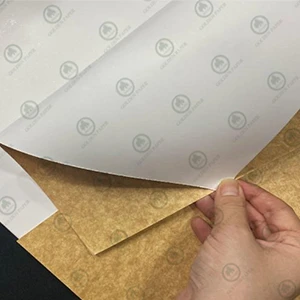
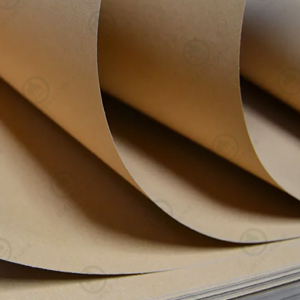
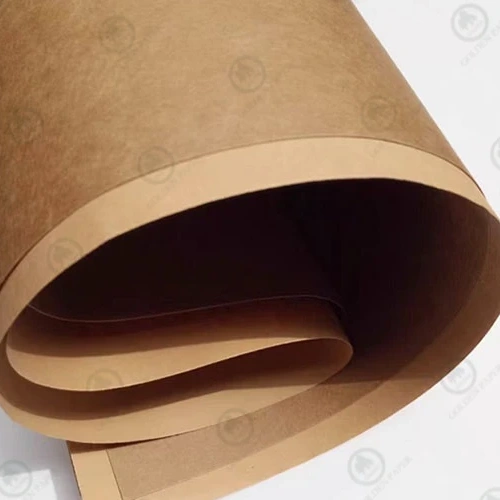
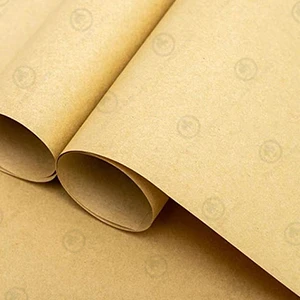
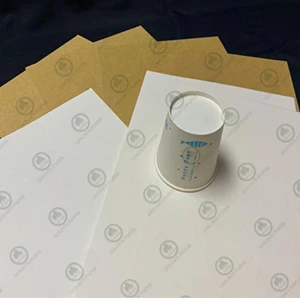
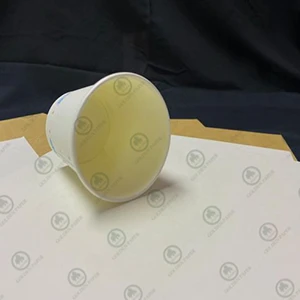
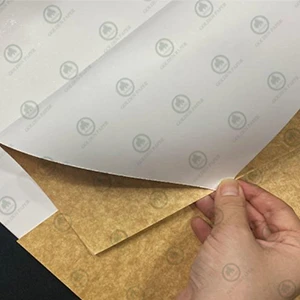
White top liner is a great balance between strength and printable surface. One side is white for printing, and the other side is natural kraft. It’s strong like kraft paper but also allows clear branding on the white surface. Often used for shopping bags, printed boxes, and electronic packaging. WTL combines the strength of kraft liner and the print quality of coated paper, making it an ideal choice for corrugated box outer layers that require both protection and branding. Many manufacturers also choose FSC-certified white top linerboard to meet sustainable packaging demands. In corrugated packaging structures, white top linerboard is often used as the outer liner layer, bonded with medium paper to form multi-layer corrugated boards. This structure provides cushioning strength while maintaining an attractive printable surface.
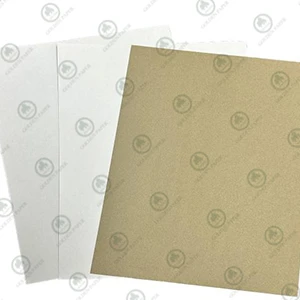
Duplex board is a cost-effective solution with good print performance. Made from recycled pulp, it has a white coated front and either a grey or white back.
Grey back: Ideal for low-cost printed boxes, stationery packaging, and catalogs.
White back: Perfect for double-sided printing, offering a cleaner, more professional look. The coating layer of duplex board ensures excellent ink absorption and smooth printing results. It’s an ideal choice for food packaging, toy boxes, and detergent packaging. Compared with kraft paper, it offers a brighter surface for clear text and vibrant graphics, helping attract consumers’ attention on store shelves. For food-contact applications, manufacturers must ensure that duplex board complies with relevant safety standards and coating regulations. Proper barrier lamination may be required depending on the type of food being packaged.
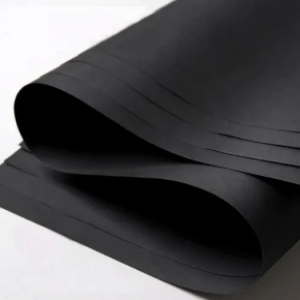
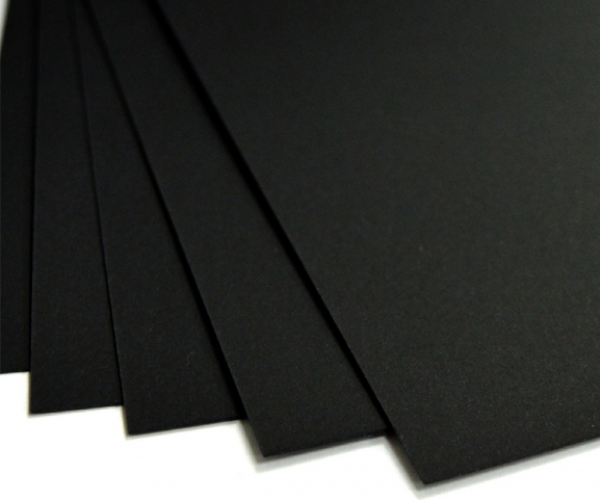
For high-end designs, black paper board offers a luxurious and striking look. It’s thick, deep black in color, and resistant to folding and pressure. Common applications include cosmetic boxes, shoe boxes, hang tags, and premium stationery packaging. Beyond aesthetics, black paper board is also valued for its light-blocking properties, which prevent inner contents from being exposed to light. It is often made with dyed-through black pulp, ensuring that the color remains consistent even at cut edges—ideal for luxury tags and high-end retail boxes. Black paper board is also compatible with hot stamping, laser cutting, and embossing processes, allowing designers to create high-contrast metallic or textured effects that enhance premium brand positioning.
Now that you’ve learned the basics of these six types of packaging paper, you’re better equipped to choose the right one for your product. Whether you’re designing high-end retail packaging or need structural board for boxes, Golden Paper can help. With over 20 years of paper manufacturing experience, we offer custom packaging paper solutions tailored to your needs.