EN
EN
 fr
fr  de
de  es
es  it
it  ru
ru  pt
pt  ar
ar  vi
vi  tr
tr  id
id 
Phone:
0086 27 688745330086 18049845758
 GOLDEN PAPER


.webp "Digital Transfer Paper/Sublimation Paper")

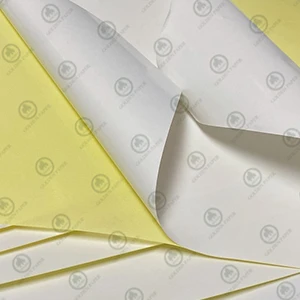
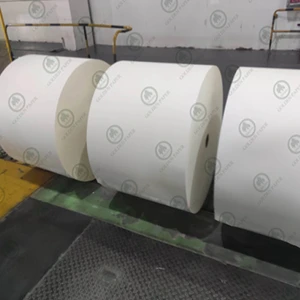

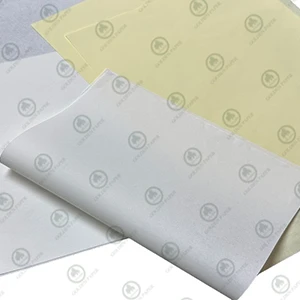

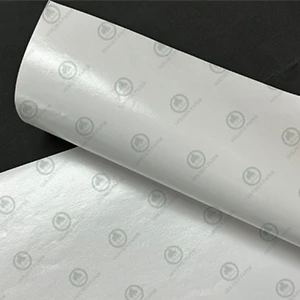
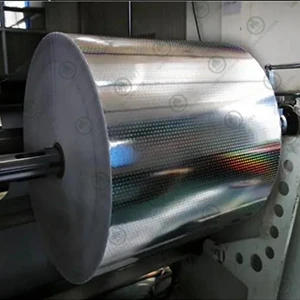
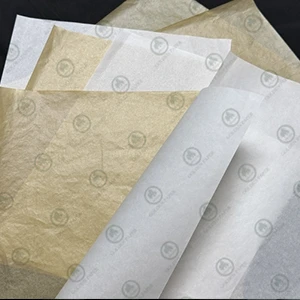


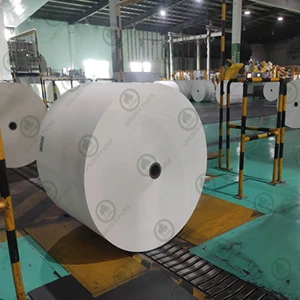
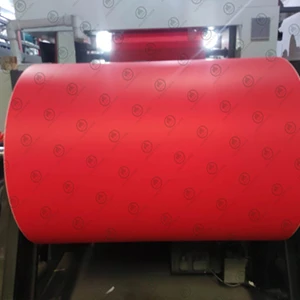
If you're sourcing paper products for your business or factory, you've probably come across the term pulp. But what is pulp? As the raw material used to make paper, understanding pulp and how it works can help you make better decisions when buying paper. Keep reading — in this article, we'll explain what pulp is, the types of pulp, where pulp comes from, and why it matters.
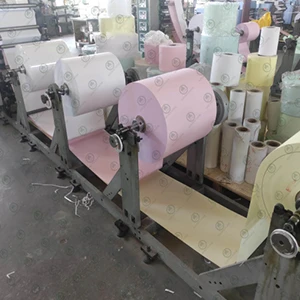
Pulp is the raw material used in papermaking. At our paper mills, pulp is made by processing plant fibers -usually wood, but also bamboo and grasses — into a fibrous material. This material can then be used to make various types of paper. The papermaking process typically includes pulping, cleaning, screening, refining, sheet forming, pressing, and drying. The quality of the pulp prepared during the first stage determines the final paper's physical properties and printing performance. Understanding pulp helps you choose the right kind of paper, whether it's for printing, packaging, or specialty applications.
In addition to being the foundation of papermaking, pulp is also a key factor in cost and sustainability. Many pulp suppliers now focus on offering sustainable pulp options, such as FSC-certified virgin wood pulp and high-quality recycled pulp. For businesses, choosing the right pulp supplier can ensure stable pricing, consistent quality, and compliance with environmental standards.
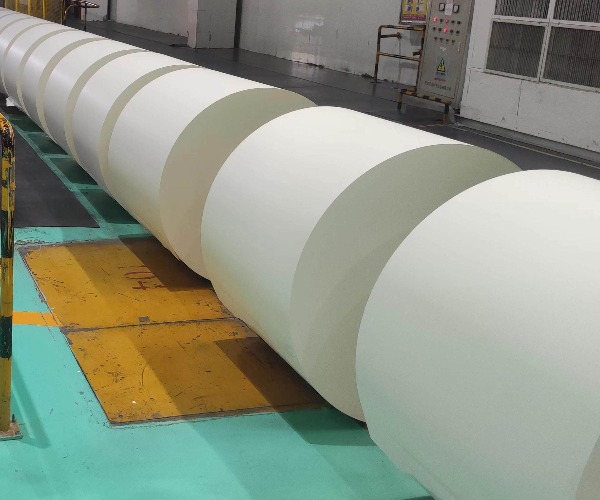
As a paper buyer, it's important to know about the different types of pulp available because pulp quality affects the paper's performance. For example, wood pulp has longer fibers and stronger bonding strength. It also creates less dust during processing. In contrast, grass pulp has shorter fibers and weaker bonding, which may produce more dust during processing — potentially harming workers' health. Pulp can be categorized in two ways. For example, long-fiber chemical pulp is preferred for high-end printing and packaging papers due to its tensile strength and uniform surface, whereas short-fiber grass pulp may be suitable for low-cost packaging or filler papers. Matching pulp type to end-use ensures optimal machine runnability and reduces production defects. By raw material: virgin wood pulp, recycled pulp, and mixed pulp; By processing method: mechanical pulp, chemical pulp, and semi-chemical pulp.
Pulp can be classified in several different ways. The two most common methods are by raw material source and by pulping process. Each classification affects paper quality, production cost, and environmental performance.
Virgin wood pulp is made from raw wood and includes mechanical, chemical, and semi-chemical pulps.
Mechanical pulp is made by grinding wood. It retains most of the lignin and separates fibers using physical force.
Chemical pulp is produced using chemicals under high temperature and pressure to remove lignin and dissolve hemicellulose, resulting in cleaner fibers.
Semi-chemical pulp combines physical grinding and chemical cooking to break down the material.
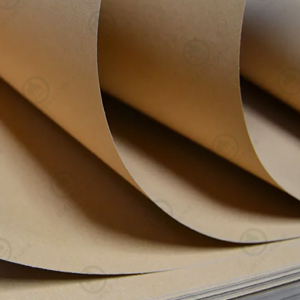
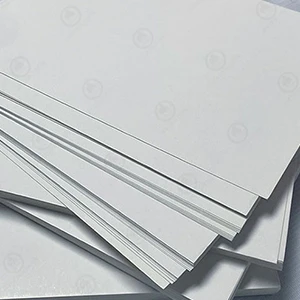
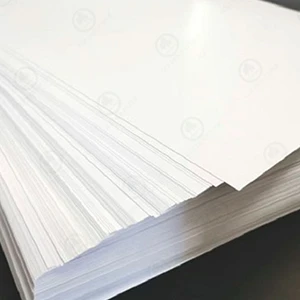
Each type of pulp comes with different characteristics. For example, mechanical pulp is more affordable and often used in newsprint, while chemical pulp produces stronger, brighter papers for printing and packaging. Semi-chemical pulp strikes a balance, often used in corrugated packaging. When purchasing virgin wood pulp, consider fiber length, brightness, and consistency. High-brightness chemical pulp can reduce the need for additional coating or bleaching, lowering production steps and energy costs in paper mills. By understanding these distinctions, buyers can work more effectively with pulp suppliers to match pulp grades with end-use applications. Virgin wood pulp is commonly selected for premium packaging board, coated paper, ivory board, food-grade paper, and high-quality office paper because it delivers consistent fiber strength, excellent cleanliness, and reliable converting performance.
Recycled pulp is usually made from wastepaper, though it can also come from offcuts and trimmings produced during paper conversion. If your business values sustainability, this is an excellent choice. A strong eco-friendly image can help your brand earn more trust and support in the market. While recycled pulp is environmentally friendly, quality control is critical. Impurities and inconsistent fiber length can impact formation, strength, and printing quality. Partnering with reliable suppliers ensures stable performance and reduces downtime on converting equipment.
At Golden Paper, we help you select the right pulp-based paper products based on your specific needs—whether you need high-brightness printing paper or food-safe packaging board.
Why does pulp matter so much in papermaking? Because the quality of the pulp directly affects how the paper performs. High-quality pulp means better printability, higher strength and durability, a brighter and more uniform appearance, and better suitability for specific uses like food packaging or high-speed printing. For packaging production, pulp selection also affects moisture resistance, stiffness, and barrier properties. Choosing the right pulp type at the sourcing stage can minimize defects like curling, cracking, or weak box edges, improving both efficiency and end-product quality.
Different pulps create different types of paper. Choosing the right pulp can reduce waste during production, lower customer complaints, and help your printing machines run more smoothly. It also reduces wear and tear on your equipment. Plus, if surface finish is not a top priority for you, using paper made from recycled pulp can help cut your long-term costs.
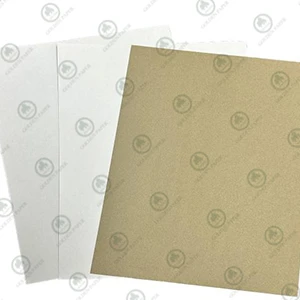
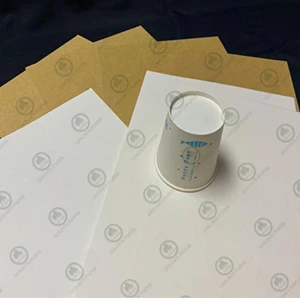
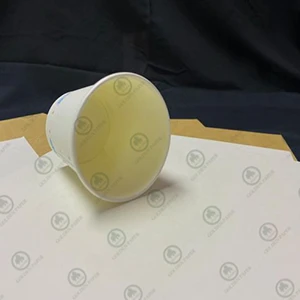
Golden Paper offers premium paper and paperboard products made from 100% virgin wood pulp, including office paper, industrial packaging paper, printing paper, and food-grade boards. We understand that choosing the right paper is critical to your production line. That's why we're committed to delivering consistent quality, reliable performance, and high value.
Contact us today and partner with Golden Paper for your paper solution needs!
Why choose recycled pulp?
Recycled pulp helps reduce environmental impact and production costs. It’s a great choice for businesses focused on sustainability.