EN
EN
 fr
fr  de
de  es
es  it
it  ru
ru  pt
pt  ar
ar  vi
vi  tr
tr  id
id 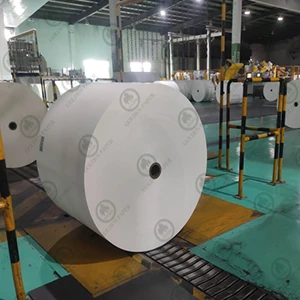
Phone:
0086 27 688745330086 18049845758
 GOLDEN PAPER



.webp "Digital Transfer Paper/Sublimation Paper")

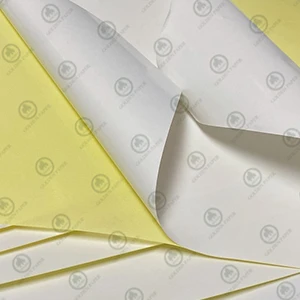
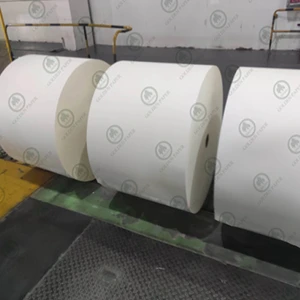

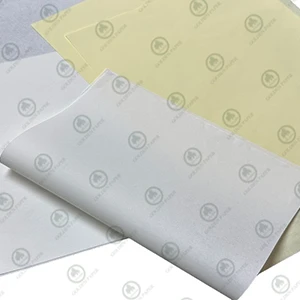

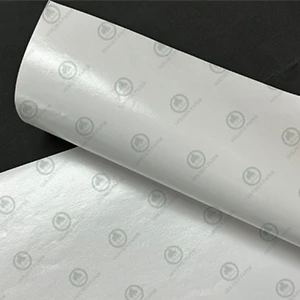
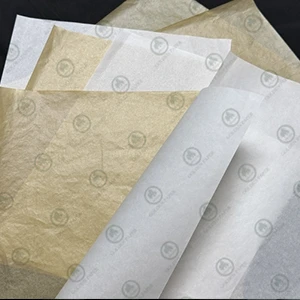


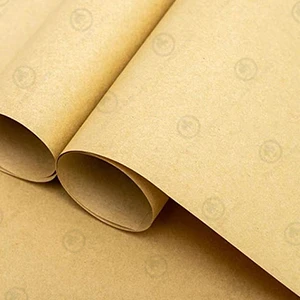
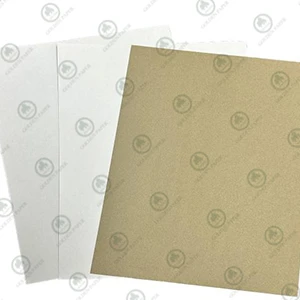
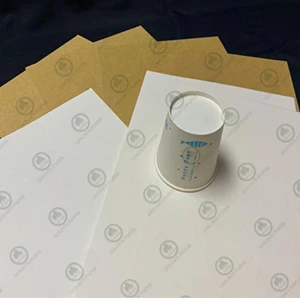
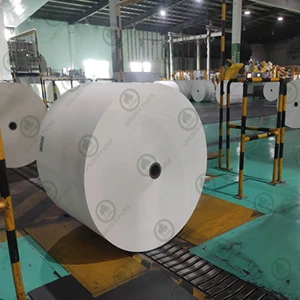
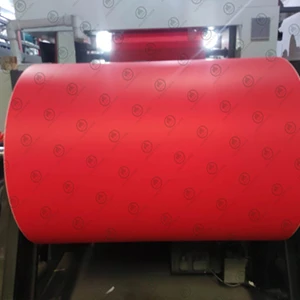
With the continued growth of food delivery, chain restaurants, and ready-to-eat foods, paper packaging has shifted from traditional outer packaging to direct food containers. Products such as hamburger boxes, fried chicken paper bags, baking liners, and paper food bowls are now in frequent contact with hot food, grease, and moisture. This change means that food packaging paper is no longer a standardized product judged only by size, grammage, or price, but a material that has entered the food safety system and must meet higher standards for raw materials and manufacturing processes.
In real-world applications, the risks associated with food-grade paper are often not immediately visible. Paper that appears clean and rigid may still pose migration risks if the fiber source is unclear, chemical additives are poorly controlled, or the coating system does not meet food contact standards. Under high-temperature or high-oil conditions, these issues may affect regulatory compliance and create potential legal and reputational risks for food brands and packaging buyers, even though they cannot be identified by visual inspection alone.
For this reason, qualified food packaging paper is not defined simply by whether it can hold food, but by whether it is specifically designed for food contact applications. This requires the use of safe and stable fiber raw materials, strict control over sizing, strength enhancement, and grease-resistant treatments during production, and compliance with regulations such as FDA food contact standards and EU food contact material requirements. Only through these controls can food-grade paper remain safe, stable, and reliable under actual usage conditions.
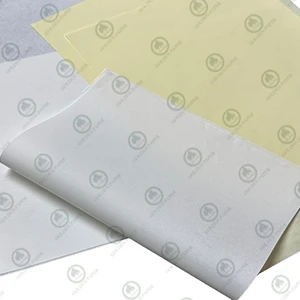
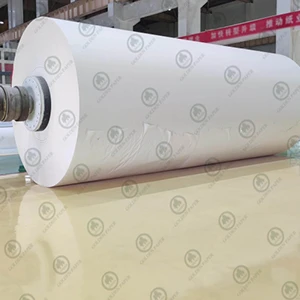
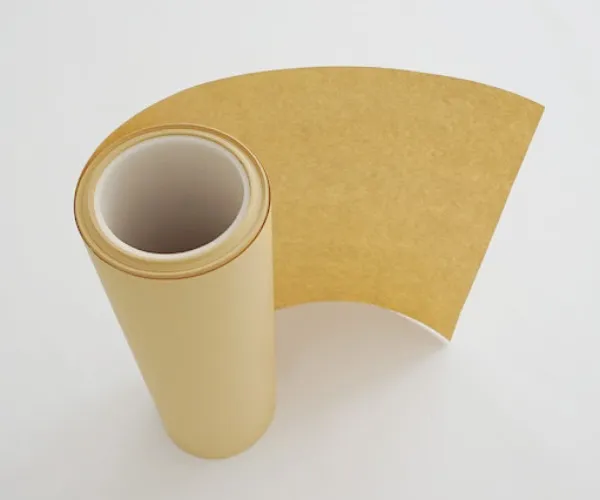
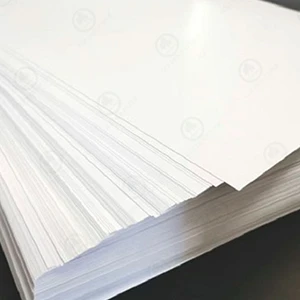
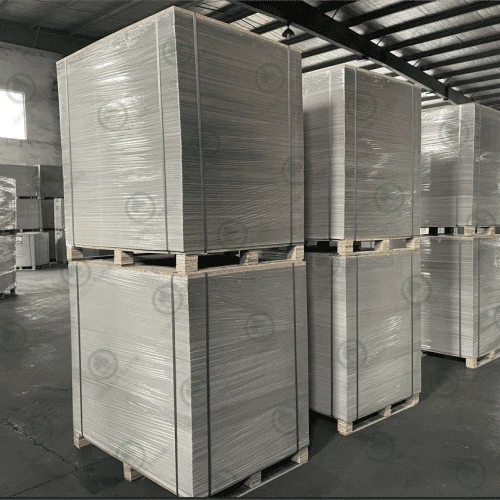
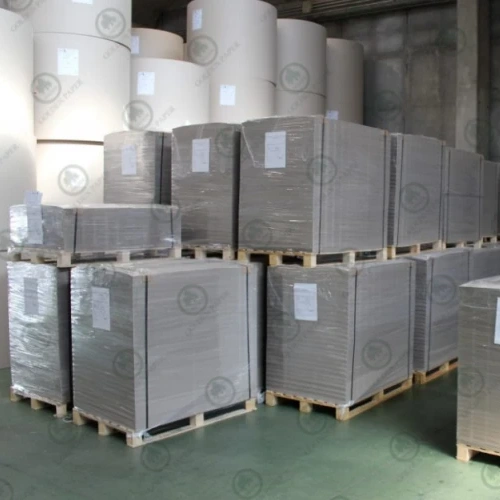
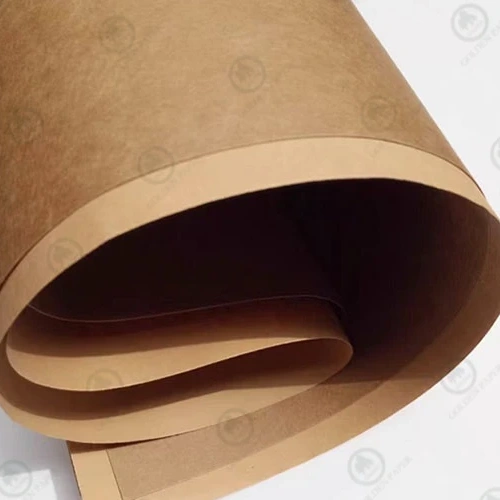
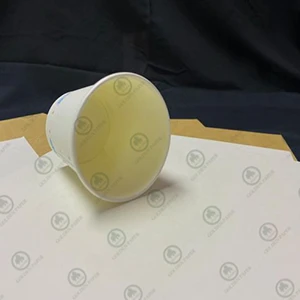
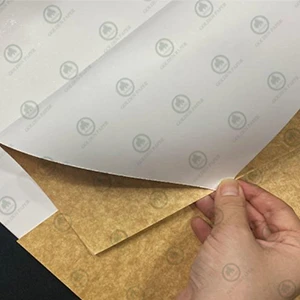
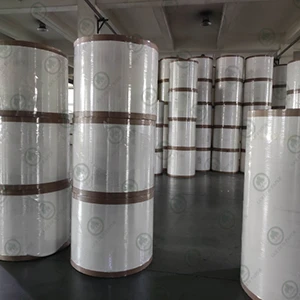
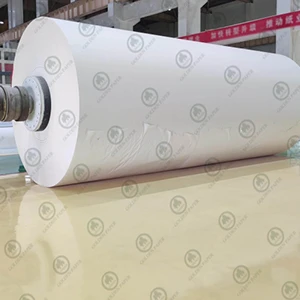
At Golden Paper, our understanding of food packaging paper is built on this principle. Whether used for takeout food boxes, hamburger packaging, or baking and fast food applications, our food-grade paper is produced using virgin wood pulp as the base material. Food contact safety is considered throughout the entire manufacturing process rather than addressed after production. By balancing strength, grease resistance, heat resistance, and printability, our food packaging paper meets end-use requirements while supporting stable, large-scale procurement for our customers.
For food service brands, packaging converters, and overseas buyers, the criteria for selecting food packaging paper are changing. While price remains important, regulatory compliance, product consistency, and supply reliability are becoming decisive factors in long-term cooperation. Food grade paper is no longer a simple auxiliary material, but an essential part of a brand’s food safety commitment.
When paper truly becomes a food container, safety and health should never be compromised. Choosing professional, compliant, and sustainable food packaging paper is not only a responsibility to consumers, but also a long-term investment in brand integrity and business growth. Golden Paper will continue to focus on food-grade paper solutions, supporting customers with stable products and clear compliance pathways as the global food packaging market continues to evolve.