EN
EN
 fr
fr  de
de  es
es  it
it  ru
ru  pt
pt  ar
ar  vi
vi  tr
tr  id
id 
.webp "What is GSM in Paper")

Phone:
0086 27 688745330086 18049845758
 GOLDEN PAPER

.webp "Digital Transfer Paper/Sublimation Paper")
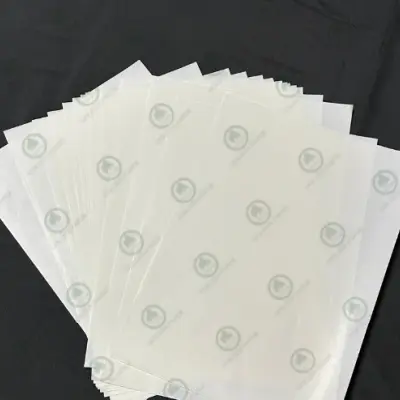
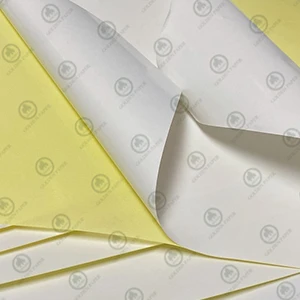
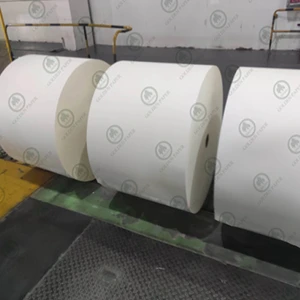

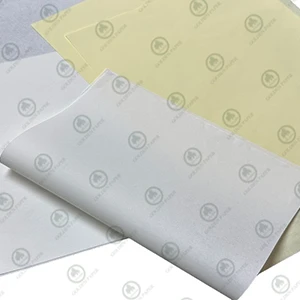

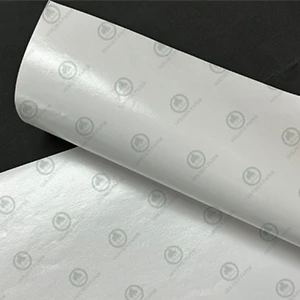
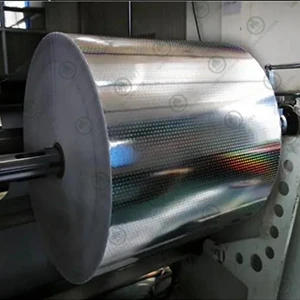
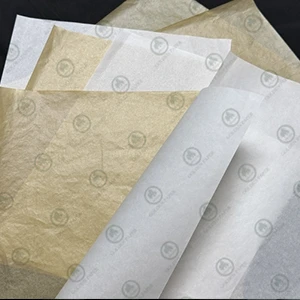

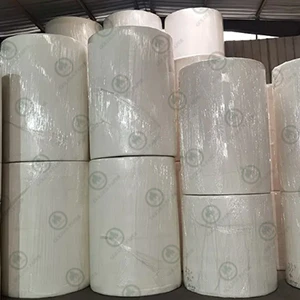
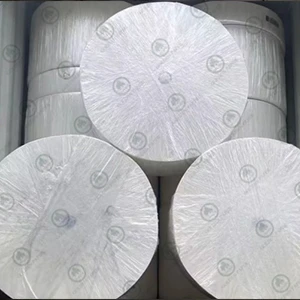

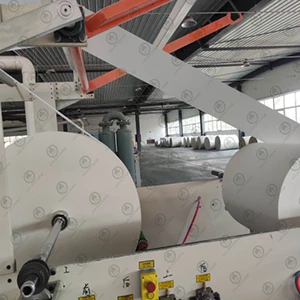
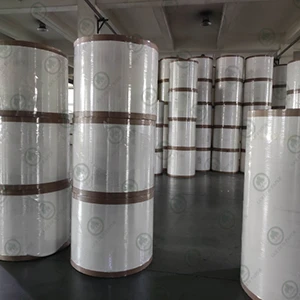
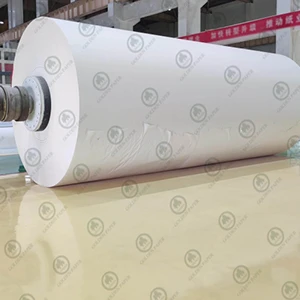
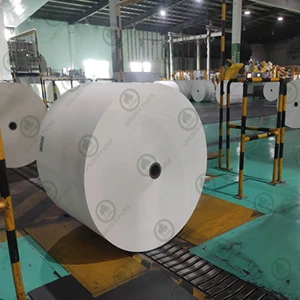
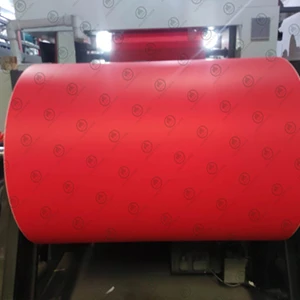
Have you ever had a release liner with unstable release force or unexpected curling? You may first check the silicone coating, but the problem can start much earlier, with the base paper.The quality of the base paper affects how the coating behaves and how smoothly the liner runs through production. So, what should you actually look at when choosing release liner base paper? Let's break it down from the paper side.
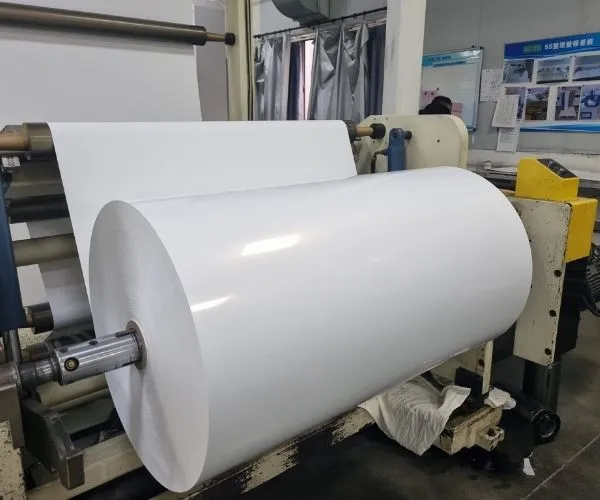
Before we talk about quality, let's make one thing clear. What exactly is release liner base paper?
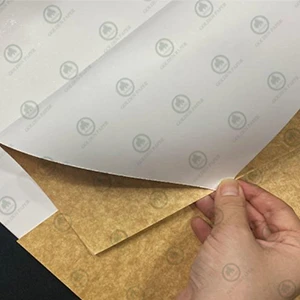
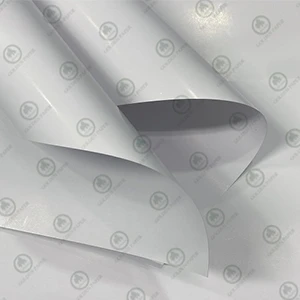
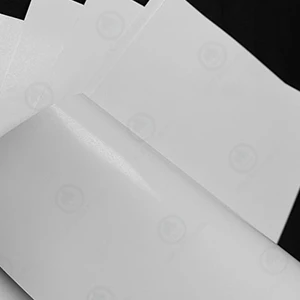
Release liner is usually made by applying a silicone coating to a paper substrate. The silicone gives the paper its release properties, while the base paper provides the surface and structure needed for the coating.
Think of it this way: the silicone is the part that gives you the release effect, but the base paper is where everything starts.
If the base paper is not stable, the coating process may become much harder to control. This is why choosing the right release liner base paper is an important step before silicone coating even begins.
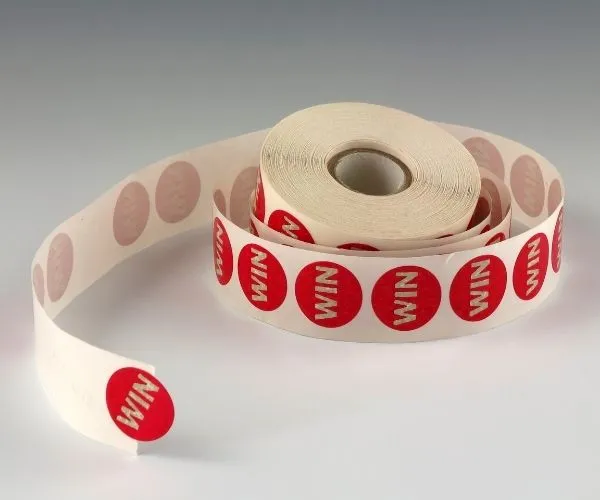
Yes, and not simply because you ordered a certain grammage. Grammage tells you how much the paper weighs per square meter. More importantly, you should pay attention to how consistent that grammage is across the roll.
Imagine running a roll of paper where some areas are slightly heavier than others. The thickness may change with it. Once the paper enters the coating and converting process, these small differences can become more noticeable.
This can make production less stable and may also affect die cutting.
So when you purchase base paper, don't only ask, Is this 60 gsm? A better question is, How stable is the grammage from one part of the roll to another?
That difference matters.
Here is a simple way to think about it: would you rather paint a smooth wall or a rough wall?
The same principle applies to silicone coating.
A smooth paper surface gives the silicone a more uniform surface to work with. If the surface is too rough, the coating has to cover more irregularities. This can make it more difficult to maintain consistent coating performance.
This is one reason glassine paper is often chosen for release liner applications. Its dense structure and smooth surface make it well suited to silicone coating.
If you are experiencing inconsistent coating results, it is worth looking at the base paper instead of immediately changing the silicone formulation.
Sometimes the coating is not the real problem.
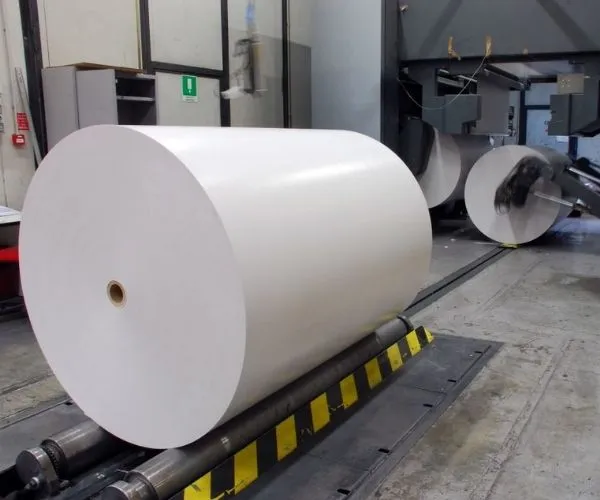
Absolutely. Paper naturally responds to changes in moisture. When the moisture condition changes, the fibers can expand or shrink. You may not notice this when looking at a single sheet, but the effect can become obvious when the paper is processed in a continuous web.
This is where curling and dimensional instability can appear.
There is another point that is easy to overlook. The moisture content of the paper can change after it leaves the paper mill.
For example, the paper may arrive in good condition but be stored in a warehouse with excessive humidity. By the time it reaches the coating line, its condition may already be different.
So if you see curling during production, don't only look at the coating process. Check the storage environment and the moisture condition of the base paper as well.
You probably know this problem already if you run a high-speed converting line.
The paper is under tension while it is being coated, rewound, slit, or die cut. If the base paper does not have enough tensile strength, it may not be able to handle that tension.
The result can be a web break during production.
This is especially important when you are working with high-speed equipment. A paper that performs well at a lower running speed may not necessarily perform the same way when production speed increases.
That is why tensile strength should always be considered together with the actual converting process.
Density is easy to overlook because you cannot judge it simply by looking at the paper.
But it matters when you apply silicone. A dense paper structure can help limit how deeply the silicone penetrates into the paper. If the base paper is too porous, more coating material may enter the paper instead of remaining where it is needed.
This is particularly relevant when you are working with glassine release liner.
Glassine has a dense paper structure because of the way its fibers are refined and the paper is processed. This gives it the surface characteristics needed for release coating.
So when you compare two base papers with the same grammage, don't assume they will behave the same way. Their internal structure can be quite different.
Now let's connect the paper properties with what you actually see during production.
If grammage is unstable, you may notice thickness variation. If the surface is not smooth enough, silicone coating may become more difficult to control. If moisture changes too much, the paper may curl or become dimensionally unstable. If tensile strength is insufficient, web breaks can occur during converting. If the paper is too porous, silicone penetration may increase.
This is why a problem that appears to be a release liner problem may actually start with the base paper.
There is no single base paper that is perfect for every release liner application.
If your main concern is a stable silicone coating, surface smoothness deserves more attention. If your liner will go through high-speed die cutting, tensile strength becomes more important. If you are dealing with curling, moisture stability should be checked first. If you are producing a glassine release liner, the density and surface structure of the paper become especially important.
In other words, don't choose base paper based on grammage alone.
Tell your paper supplier what you are going to do with the paper. The more your supplier understands about your coating and converting process, the easier it is to recommend a suitable grade.
If you are sourcing release liner base paper, you may want to ask a few questions before placing an order.
Can the supplier maintain stable grammage from batch to batch?
How is the paper surface controlled?
What is the normal moisture range?
Does the paper have enough tensile strength for your production speed?
Can the supplier provide quality data for each production batch?
These questions are more useful than simply asking for the lowest price.
A base paper that looks cheaper on the quotation may cost you more if you need to make frequent adjustments during coating or deal with production problems later.
From a paper supplier's perspective, we do not look at base paper as just another raw material.
Before a grade is used for production, its properties need to match the intended application. We pay attention to the consistency of the paper because a stable raw material makes the next production step easier to control.
This is particularly important for customers who need consistent release liner performance over repeated orders.
The goal is simple: you should not have to change your production settings every time a new batch of paper arrives.
When a release liner has a problem, the silicone coating is often the first thing people check. But the base paper deserves just as much attention. The right paper may not be the most expensive option. It is the one that works consistently with your coating process and your final application. Welcome to contact Golden Paper for quotation and samples!