EN
EN
 fr
fr  de
de  es
es  it
it  ru
ru  pt
pt  ar
ar  vi
vi  tr
tr  id
id 
.webp "How the EUDR Is Reshaping the Paper Industry: 100% Recycled Paper Gets an Exemption")
Phone:
0086 27 688745330086 18049845758
 GOLDEN PAPER

.webp "Digital Transfer Paper/Sublimation Paper")
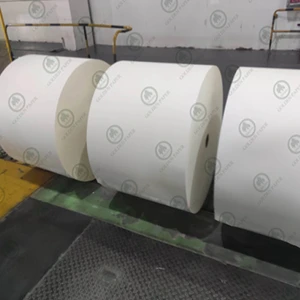

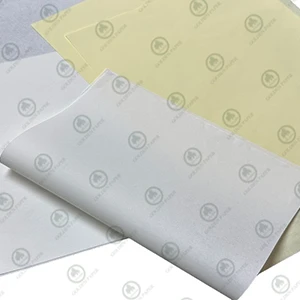

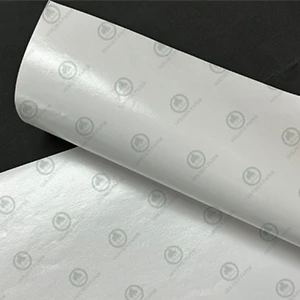
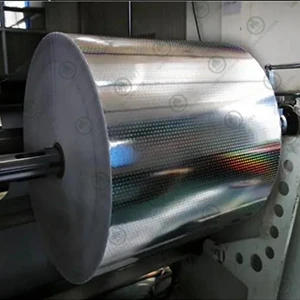


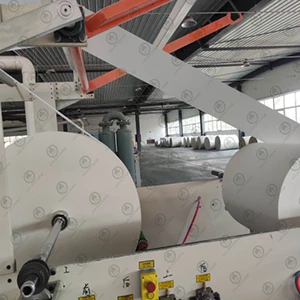
In the packaging industry, Kraft paper and Duplex board are two of the most commonly used materials. They differ greatly in appearance, strength, application, and eco-friendliness. As a professional paper manufacturer, we’ll explain the major differences between these two materials from a factory perspective, helping you choose the most suitable packaging paper based on your needs and budget.
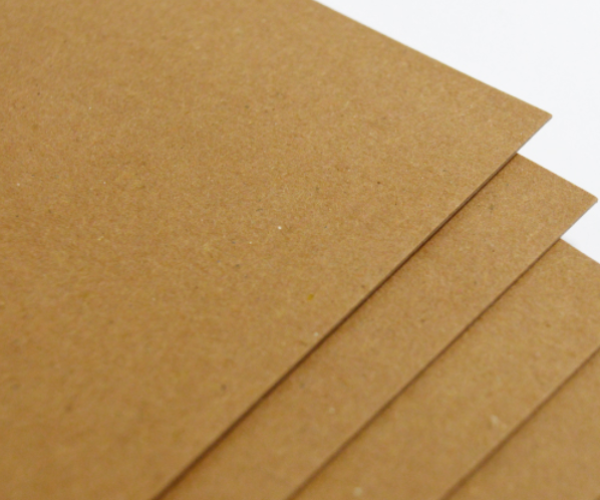
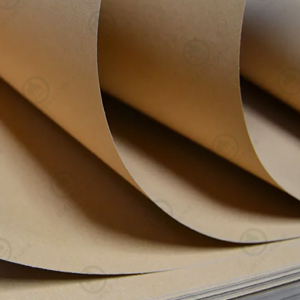
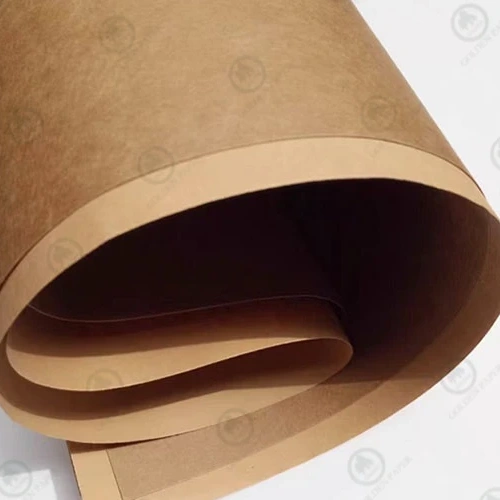
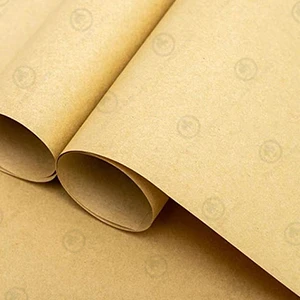
Kraft paper is made from bleached or unbleached sulfate softwood pulp. Because the fibers are long and tightly bonded, it has excellent tensile and tear strength, making it ideal for heavy-duty packaging.
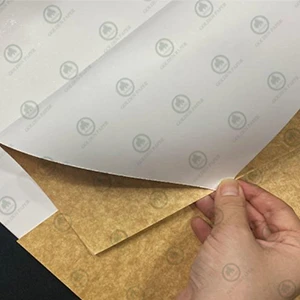
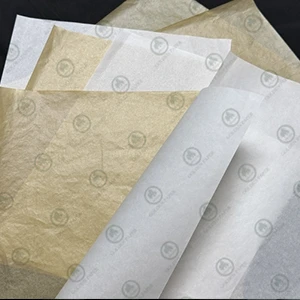
In appearance, Kraft paper usually has a natural brown color, giving it an organic and eco-friendly look. When bleached, it becomes white Kraft paper, which maintains its strength but offers a cleaner appearance.
Its surface has visible fibers and a slightly rough texture, with strong ink absorbency. This makes it suitable for simple logos or single-color printing, but less ideal for detailed, multi-color graphics. Overall, Kraft paper combines durability and a natural texture.
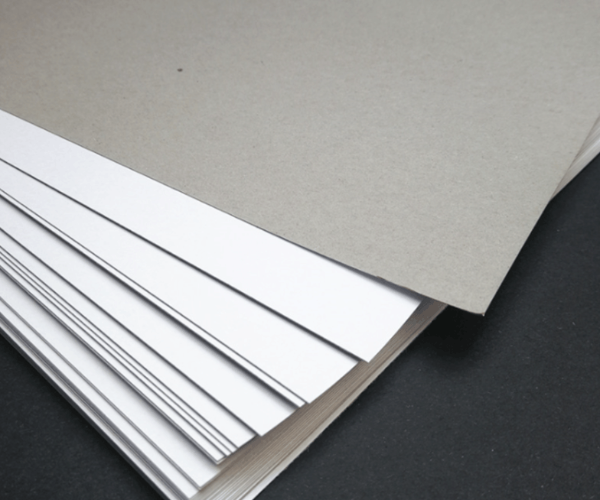
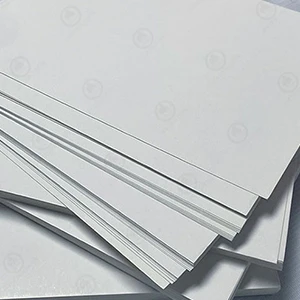
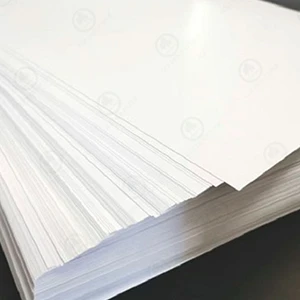
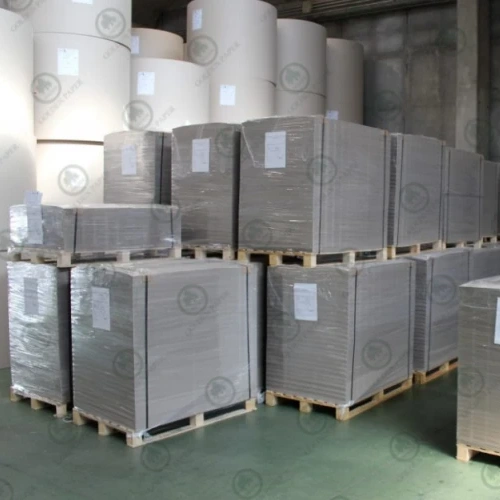
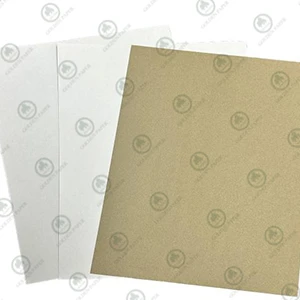
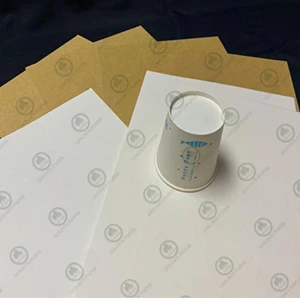
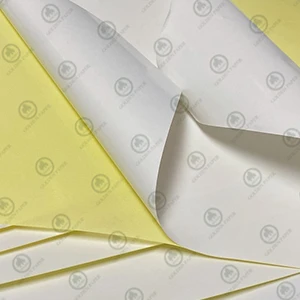
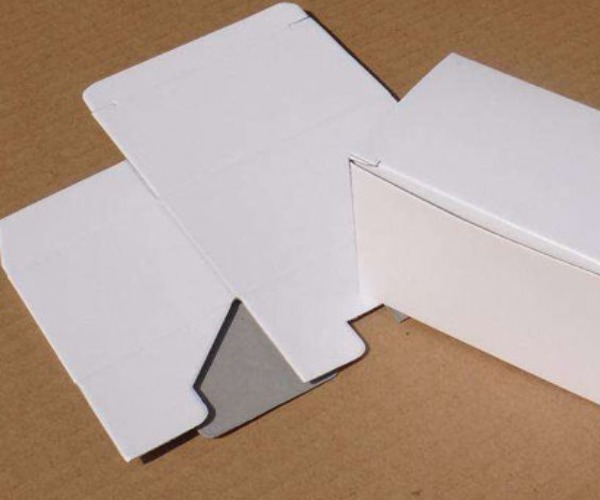
In contrast, Duplex board is made from recycled pulp and features a multi-layer structure. The front side is coated in white, while the back and middle layers remain gray. This composition gives it both stiffness and cost efficiency.
The coated front provides good smoothness and printability, suitable for monochrome or two-color printing. However, due to the coating thickness and fiber structure, it is not ideal for high-precision, full-color designs. Duplex board is known for being affordable, smooth, and visually appealing, making it a practical packaging choice.
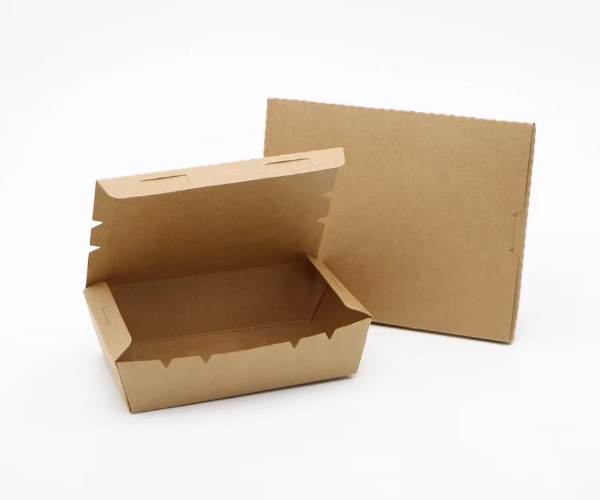
Because their properties vary, Kraft paper and Duplex board are used in different ways.
Kraft paper, with its strength and eco-friendly nature, is widely used in shipping boxes, courier bags, food packaging, and shopping paper bags. Some grades are even food-safe, commonly used for coffee bags, bakery wrapping, burger packaging, and takeaway boxes.
It’s also used in industrial packaging, such as cement bags and chemical sacks, where high tensile strength and puncture resistance are essential.
Moreover, brands seeking a natural or sustainable look often choose Kraft paper for its rustic appearance and environmental appeal.
Duplex board, on the other hand, is preferred when both cost and printing quality matter. Its smooth white surface allows for clear printing, making it popular for toy boxes, shoe boxes, cosmetic packaging, and electronic product boxes.
It’s also used as lamination paper for corrugated boxes, improving the appearance and print quality. In the mid- to low-end packaging market, Duplex board is valued for its low cost, smooth finish, and reliable print performance.
In short, Kraft paper focuses on strength and durability, while Duplex board emphasizes affordability and visual presentation.
From a manufacturing standpoint, Kraft paper has a more complex production process, especially the bleached type. This leads to a higher cost compared to recycled paperboards.
However, since Kraft paper is usually made from virgin wood pulp sourced from sustainable forests, it offers excellent eco-friendliness and biodegradability.
Kraft paper is fully recyclable, renewable, and compostable, free of fluorescent agents, and does not release harmful gases when burned. For this reason, it has become a symbol of green packaging, especially favored by eco-conscious brands in Europe and North America.
Duplex board’s main advantage lies in its low cost and recyclability. It is produced using recycled pulp, printing waste, and corrugated offcuts, which reduces the use of virgin fibers and supports a circular economy.
However, its environmental performance depends on the quality of recycled pulp. Since impurities and non-eco dyes may exist, the inner layers appear gray. A coating process is required to enhance appearance and printability.
While Duplex board excels in reusability, its overall sustainability depends on factors like de-inking technology, coating materials, and recycling management. With modern production methods such as chlorine-free bleaching and eco adhesives, Duplex board can also meet international green standards.
Both Kraft paper and Duplex board have their own strengths. If your packaging requires high durability, tear resistance, and a natural look, Kraft paper is the best choice. If your goal is to reduce cost while maintaining good stiffness and print quality, Duplex board is a more economical option. At Golden Paper, we understand the unique needs of every packaging project. Whether you need premium Kraft paper or cost-effective Duplex board, we offer reliable, customized paper solutions designed to meet your business goals.