EN
EN
 fr
fr  de
de  es
es  it
it  ru
ru  pt
pt  ar
ar  vi
vi  tr
tr  id
id 
.webp "2026 Outlook: Opportunities and Challenges in a Reshaping Global Paper Market")


Phone:
0086 27 688745330086 18049845758
 GOLDEN PAPER

.webp "Digital Transfer Paper/Sublimation Paper")
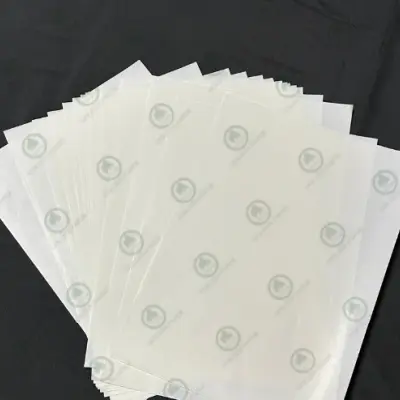
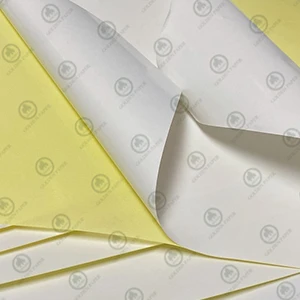
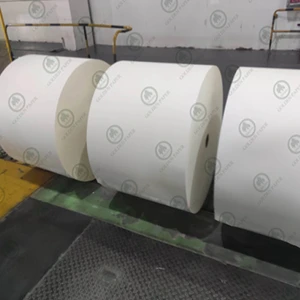

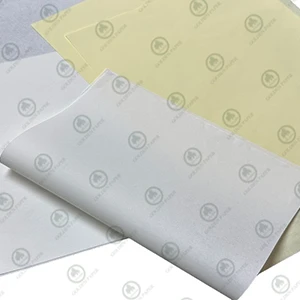

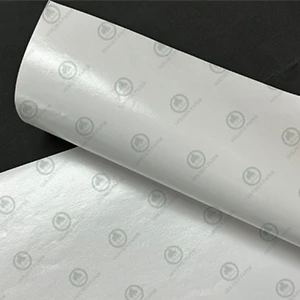
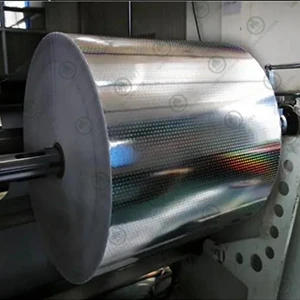
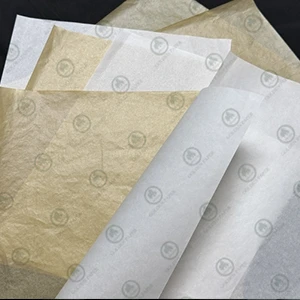

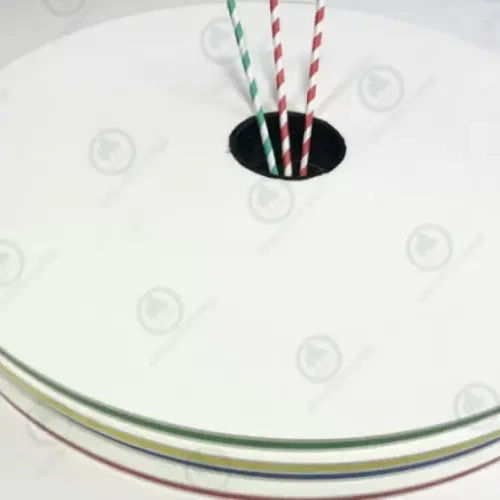
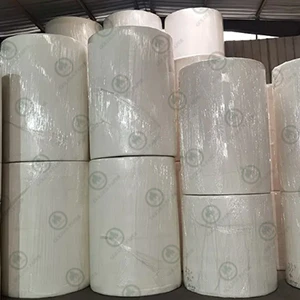
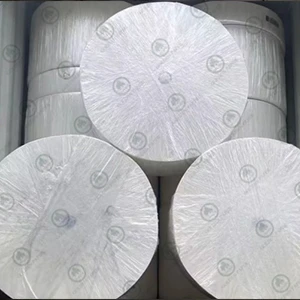

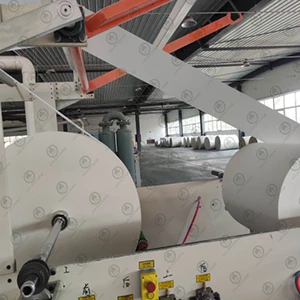
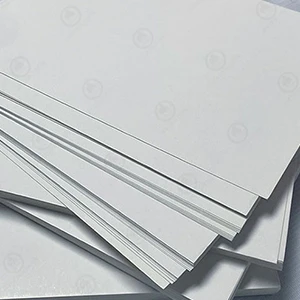
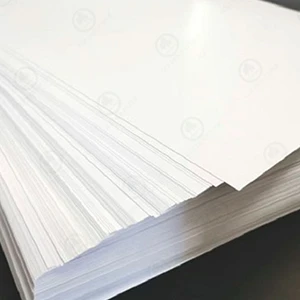
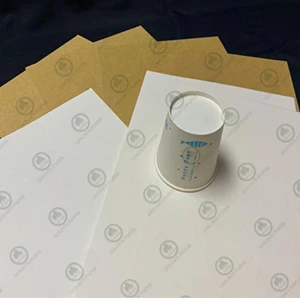
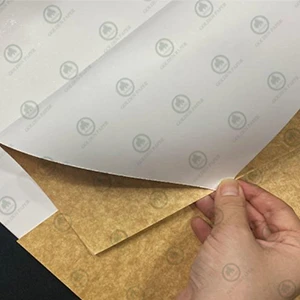
Coated paperboard has a smooth surface, high brightness, and good printability, making it widely used for packaging boxes, folding cartons, and high-quality printed products. However, during actual printing, some paperboard may experience dusting, linting, or powder buildup on the surface. This can affect the cleanliness of printing plates and blankets and, in serious cases, affect print quality. If you are looking to purchase ivory board, keep reading to learn more!
Coated paperboard dusting refers to the shedding of coating particles, fine paper dust, or fibers from the paper surface during printing, converting, or transportation.
Coated paperboard usually undergoes a coating process to achieve a smoother and more uniform printing surface. Therefore, coating strength, surface strength, and production and storage conditions can all affect its performance.
During printing, if dusting is severe, the particles may accumulate on the printing plate or blanket, affecting ink transfer and potentially causing uneven printing, dirty plates, and other problems.
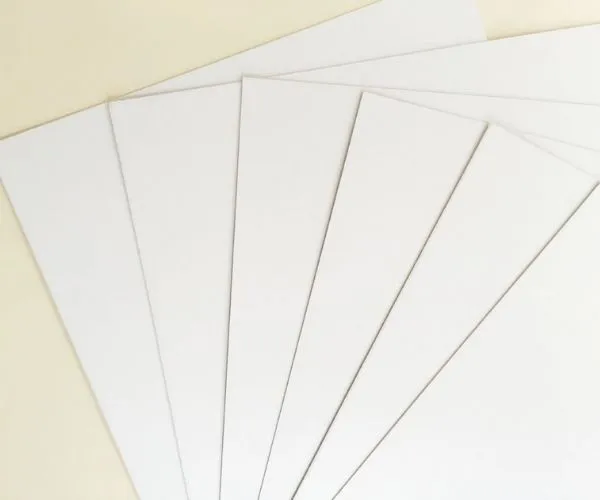
Coating bond strength is one of the key factors affecting the surface stability of coated paperboard.
If the coating does not bond firmly enough to the base paper, or if the coating itself has insufficient bond strength, coating particles may come off during printing due to friction, ink interaction, or high-speed operation.
This can be related to factors such as the coating formulation, latex dosage, coating process, and drying conditions.
A simple surface test can be used for an initial check. If a tape test causes obvious coating loss from the paper surface, it may indicate a problem with the surface bond strength. However, this method should only be used for an initial check. The specific cause should be further confirmed through measurements such as surface strength and coating bond strength.
For printing plants, if the same batch of paperboard continues to show obvious dusting under normal printing conditions, the surface strength and coating quality of the paperboard should be checked first.
The condition of the paper surface sizing can also affect printing performance.
If the sizing layer is uneven or insufficient in certain areas, the paper surface may have exposed fibers, differences in water absorption, and inconsistent surface strength. During printing, these areas are more likely to be affected by ink and mechanical friction.
The surface condition of areas affected by dusting can be observed, and a water-drop test can be used for an initial assessment. If water quickly penetrates the paper surface, the surface may have insufficient water resistance, which can be further confirmed through a Cobb test.
It is important to note that the Cobb value alone cannot be used to determine the cause of dusting. For coated paperboard, surface strength, coating bond strength, and printing conditions are also important.
Not all dusting problems are caused by the paperboard itself.
If the printing pressure is set too high, the mechanical interaction between the printing plate, blanket, and paperboard increases significantly. When the surface strength of the paperboard is not sufficient to withstand this force, coating or fine fibers may be pulled from the surface.
This situation can usually be observed from the printing equipment.
If a large amount of white powder accumulates on the printing plate or blanket while the paperboard itself shows no obvious abnormalities, the printing pressure, blanket condition, and equipment settings should be checked.
Therefore, before replacing the paperboard, printing plants can first check whether the printing pressure is within a reasonable range. Reducing unnecessary mechanical pressure can sometimes significantly improve dusting.
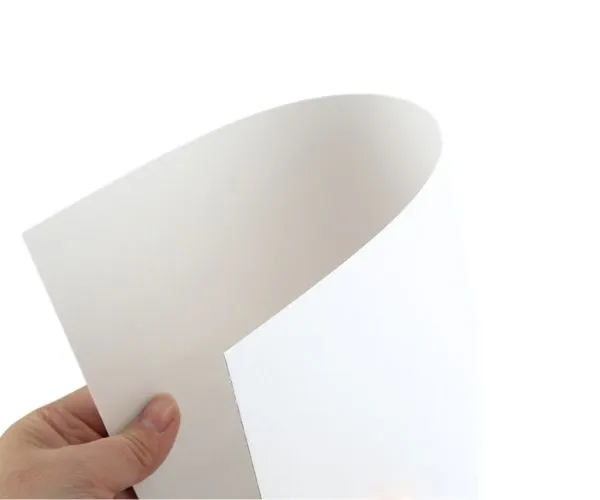
The moisture condition of the paperboard should not be overlooked.
When paperboard is kept in a very dry environment for an extended period, especially under low humidity conditions, it may become more brittle and stiff, and the bonding condition of fibers on the surface and edges may also change.
This situation deserves more attention during dry winter conditions or when storage conditions are unstable.
If dusting mainly occurs along the edges, cut areas, or converting areas, and the paperboard itself feels noticeably dry, the temperature and humidity conditions in the warehouse and printing plant should be checked first.
Before use, the paperboard should remain properly packaged whenever possible and be given enough time to acclimate to the environment. This helps prevent the paperboard from being exposed to a sudden change from one humidity environment to another.
In actual printing, dusting, linting, and picking are often confused, but they are not exactly the same.
Dusting usually appears as fine powder or coating particles coming off the paper surface. Linting mainly involves fine fibers separating from the paper surface. Picking usually occurs during printing when the paper surface is partially pulled away due to high ink tack, printing speed, or mechanical forces.
Therefore, when white particles appear during printing, you should not immediately assume that there is a quality problem with the paperboard.
The condition of the material being removed, where it occurs, printing speed, ink conditions, and paperboard batch should all be considered when identifying the cause.
Solving dusting problems does not depend only on the printing process. For printing plants, the first step is to check the surface strength and coating stability of the paperboard itself. When using a new supplier or a new paper grade for the first time, it is recommended to conduct a small trial run and observe how the paperboard performs on the actual equipment and with the actual ink conditions.
Next, printing pressure and operating conditions need to be controlled. If the equipment pressure is too high, unnecessary dusting may occur even when the paperboard itself has stable quality.
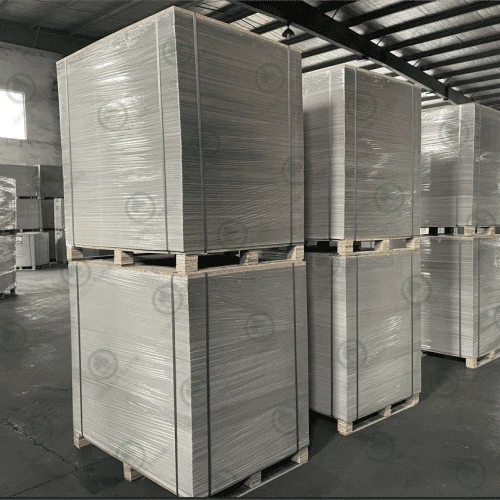
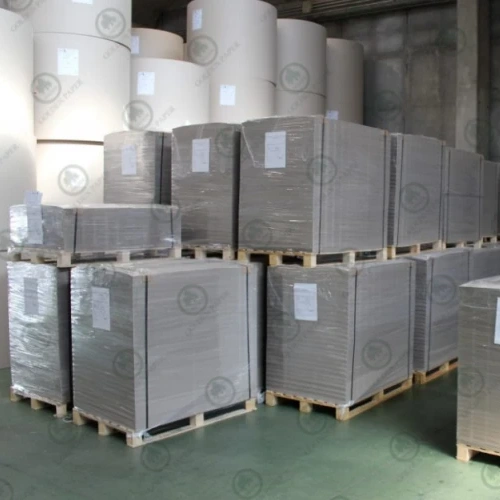
Storage conditions are also important. Paperboard should not be exposed to excessively dry or humid environments for extended periods. Keeping the original packaging intact as much as possible can help reduce environmental changes during transportation and storage.
For paperboard that is expected to perform consistently over the long term, buyers can also ask suppliers to provide stable quality control specifications and establish quality standards through batch testing and actual printing feedback.
If coated paperboard is intended for folding cartons, packaging boxes, or high-quality commercial printing, buyers should not focus only on brightness, smoothness, and price.
Surface strength, coating bond performance, printability, and batch-to-batch consistency are equally important.
This is especially true for high-speed printing and large-volume production. Paperboard dusting can affect print quality and may also increase the time required to clean equipment and deal with downtime. Therefore, confirming with your supplier that the paperboard is suitable for your printing equipment and production conditions is more important than simply comparing prices.
For first-time purchases, customers can start with sample testing or a trial order. Confirming the paperboard's surface performance and runnability through actual printing tests before deciding on long-term specifications can help reduce the risks associated with large-volume production.
Coated paperboard dusting does not necessarily have a single cause. Coating bond strength, surface sizing, printing pressure, and paper moisture conditions can all affect the surface stability of the paperboard. For large-volume packaging orders that require stable printing, choosing coated paperboard with stable surface performance and consistent quality from batch to batch can help printing plants reduce unnecessary problems during production. Contact Golden Paper for samples and a quotation!