EN
EN
 fr
fr  de
de  es
es  it
it  ru
ru  pt
pt  ar
ar  vi
vi  tr
tr  id
id 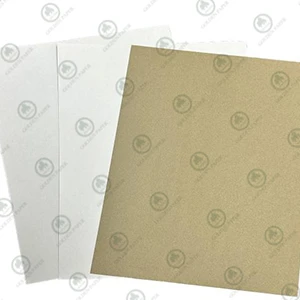


Phone:
0086 27 688745330086 18049845758
 GOLDEN PAPER

.webp "Digital Transfer Paper/Sublimation Paper")

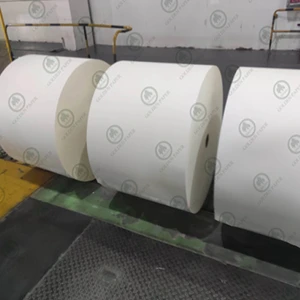



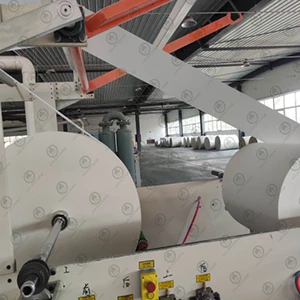
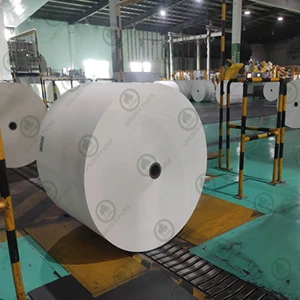
Kraft Liner Board and Corrugated Paper are both essential papers used to produce corrugated boxes, but they serve different roles in corrugated board. Understanding the difference between Kraft Liner Board and Corrugated Paper can help box manufacturers choose the right materials for different packaging needs. If you are looking to source either type of paper, keep reading to learn more.
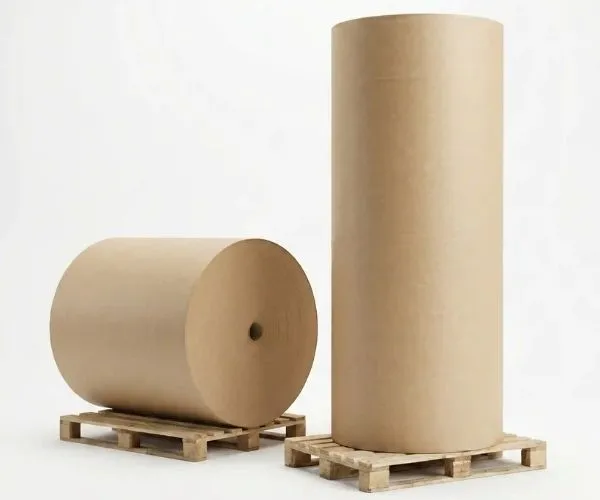
To understand the difference between the two, it is helpful to first look at where they are used in corrugated board.
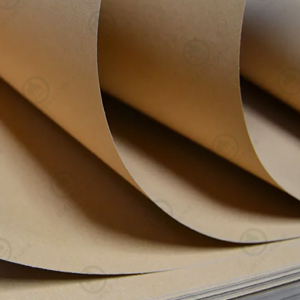
Kraft Liner Board is the flat paper layer on the outside and inside of corrugated board. It can be used as the outer liner or inner liner. Because it forms the outer and inner surfaces of the finished corrugated box, it needs to provide a good balance of strength, surface quality, printability, and converting performance.
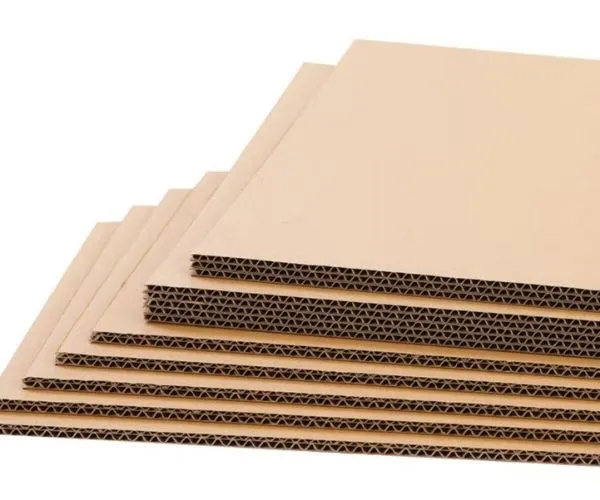
Corrugated Paper is placed between the layers of Kraft Liner Board. During production, Corrugated Paper passes through corrugating rolls to form a fluted structure. It is then bonded with Kraft Liner Board to produce corrugated board.
Therefore, Kraft Liner Board and Corrugated Paper are not interchangeable materials. They perform different structural functions and need to work together to form a complete corrugated packaging structure.
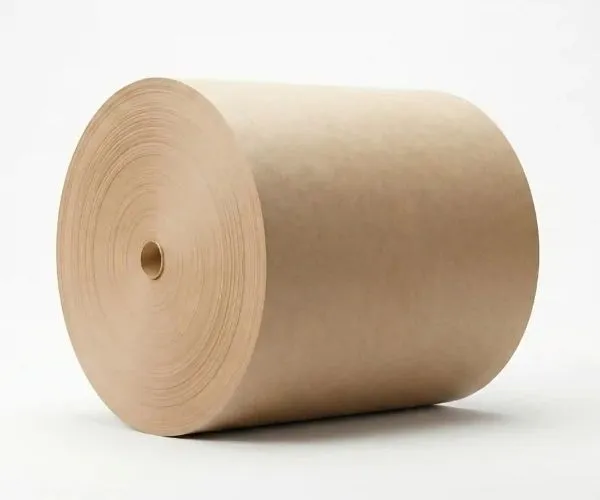
The most important difference between the two is their function.
Kraft Liner Board is more like the “outer shell” of a corrugated box. It helps protect the packaged product and withstands friction, impact, and compression during transportation. Since it also forms the surface of the box, it needs to provide a smooth and suitable surface for printing.
Corrugated Paper is more like the “inner framework” of the box. After being fluted, its wave-like structure increases the thickness of the corrugated board and provides support and cushioning when the box is exposed to external forces.
Simply put, Kraft Liner Board mainly provides surface protection, printability, and part of the structural strength, while Corrugated Paper mainly provides internal support and cushioning.
However, the performance of the finished corrugated box is not determined by either paper alone. It depends on how well the two papers match each other and how they work within the overall corrugated board structure.
Kraft Liner Board and Corrugated Paper can also differ in their raw materials and appearance.
Kraft Liner Board can be made from virgin wood pulp, kraft pulp, recycled fiber, or a combination of different fiber sources. Different raw materials and production processes affect the paper's strength, color, surface quality, and printability.
For example, Kraft Liner Board made from virgin wood pulp generally offers good strength and stability and can maintain a natural brown appearance. Depending on the product and application, different raw material combinations and production processes can also be used.
Because Kraft Liner Board eventually becomes the surface of the corrugated box, good smoothness, uniformity, and surface quality are usually important.
Corrugated Paper, on the other hand, is mainly used to form the fluted structure. Compared with surface appearance, more attention is generally given to how the paper performs during the corrugating process and whether the fluted structure remains stable after forming.
Therefore, when sourcing Corrugated Paper, its ability to run smoothly through the corrugating process and form stable flutes can be more important than its surface appearance alone.
For Kraft Liner Board, bursting strength, ring crush strength, compression strength, and surface quality are important performance indicators.
Bursting strength reflects the paper's ability to resist external pressure and rupture. When a corrugated box is exposed to impact, compression, or puncture during transportation, good bursting strength can provide better protection for the contents.
Ring crush strength is closely related to the compression performance of the box. For boxes that need to be stacked during storage and transportation, the strength of Kraft Liner Board can affect the overall load-bearing capacity of the corrugated board.
If the box requires color printing or brand graphics, surface smoothness and printability are also important. An uneven surface or visible paper defects can affect the final printing result.
Therefore, choosing Kraft Liner Board is not simply about asking whether the paper has “high strength.” Strength, surface quality, and converting performance all need to be considered together.
The main purpose of Corrugated Paper is to form a stable fluted structure, so ring crush strength and corrugating performance are especially important.
Ring crush strength is closely related to the edge crush performance of corrugated board and the compression strength of the finished box. This is particularly important for boxes that need to withstand significant stacking pressure.
At the same time, Corrugated Paper must be able to form stable flutes during production. If the paper is too brittle or does not have sufficient converting performance, problems such as broken flutes, crushed flutes, or unstable flute formation may occur.
Moisture control is another important factor in the production and use of Corrugated Paper.
Excessive moisture can affect corrugating, bonding, and board formation, while insufficient moisture can make the paper more brittle and increase the risk of breakage during converting. Stable moisture control is therefore important for maintaining production efficiency and consistent corrugated board quality.
Although Kraft Liner Board and Corrugated Paper need to work together, different packaging applications can place different requirements on each material.
Kraft Liner Board is widely used in corrugated packaging for home appliances, food and beverages, household products, furniture, industrial products, and other applications. Its importance becomes more apparent when the packaging requires good print quality or a higher-quality box surface.
Corrugated Paper is mainly used in transport packaging that requires cushioning and load-bearing performance, such as e-commerce shipping boxes, food and beverage boxes, appliance packaging, furniture packaging, and industrial packaging.
If a box needs to travel long distances or be stacked in warehouses and during transportation, the fluted structure formed by Corrugated Paper needs to provide sufficient support.
When selecting Kraft Liner Board and Corrugated Paper, it is not recommended to compare only grammage or a single performance indicator. The selection should start with the actual requirements of the finished corrugated box.
If the packaging places greater emphasis on printing and surface appearance, focus on the smoothness, printability, and strength of the Kraft Liner Board.
If the packaging is mainly used for transportation, stacking, or load-bearing, more attention should be given to the combined strength of Kraft Liner Board and Corrugated Paper, as well as the flute-forming stability of the Corrugated Paper.
If the packaged product is heavy or needs to be transported over long distances, other factors should also be considered, including box dimensions, product weight, stacking height, transportation distance, and storage conditions.
For example, a lightweight e-commerce shipping box and heavy-duty industrial equipment packaging clearly have different requirements for corrugated board performance. There is no single type of paper that is suitable for every corrugated box.
A better approach is to determine the required performance of the finished box first and then select the appropriate combination of Kraft Liner Board and Corrugated Paper.
The performance of corrugated board comes from the entire structure, not from a single paper.
Kraft Liner Board provides the flat inner and outer surfaces while contributing to surface protection and structural strength. After Corrugated Paper is fluted, its wave-like structure provides support and cushioning between the layers of Kraft Liner Board.
The two papers must be properly bonded together to form a stable corrugated board structure.
Therefore, even if the Kraft Liner Board has very high strength, the finished board may still fail to achieve the expected compression performance if the Corrugated Paper does not form stable flutes.
Likewise, even if the Corrugated Paper provides good structural support, insufficient strength or surface quality of the Kraft Liner Board can affect the durability and print quality of the finished box.
For this reason, the key question when sourcing these materials is not simply “Which paper is better?” but rather Are these two papers suitable for use together?
For corrugated box manufacturers and packaging material buyers, the first step when sourcing paper should be to define the requirements of the finished packaging.
Start by identifying what product the box will contain, as well as its weight and dimensions. Then consider transportation distance, stacking conditions, and the use environment to determine the required compression and bursting performance of the corrugated board.
Based on these requirements, you can select the appropriate Kraft Liner Board and Corrugated Paper.
It is also important to consider the actual conditions of the production line. Laboratory test results can help evaluate the basic performance of paper, but its stability during production, corrugating performance, moisture consistency, and converting performance are equally important.
For long-term and high-volume purchasing, consistent quality is often more valuable than achieving an exceptionally high result in just one performance indicator.
Kraft Liner Board and Corrugated Paper are both essential raw papers for corrugated box production, but they serve different functions. Kraft Liner Board mainly provides surface protection, printability, and part of the structural strength, while Corrugated Paper provides internal support and cushioning through its fluted structure. Only when the two papers are properly matched can manufacturers produce corrugated board with stable strength, good cushioning performance, and reliable converting performance. If you are looking for Kraft Liner Board or Corrugated Paper, feel free to contact Golden Paper for pricing and samples.