EN
EN
 fr
fr  de
de  es
es  it
it  ru
ru  pt
pt  ar
ar  vi
vi  tr
tr  id
id 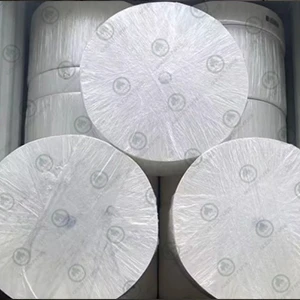

Phone:
0086 27 688745330086 18049845758
 GOLDEN PAPER

.webp "Digital Transfer Paper/Sublimation Paper")


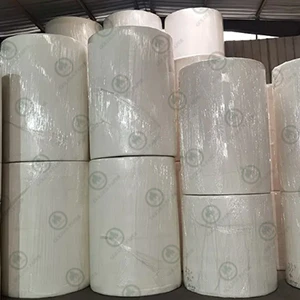
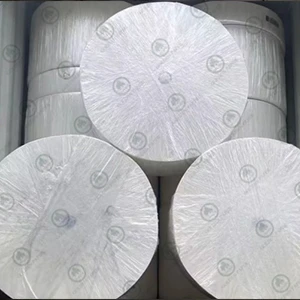

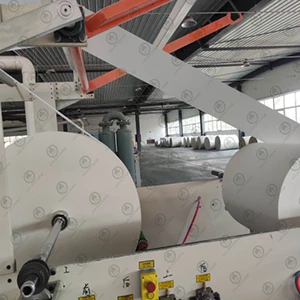
In the specialty paper and release material industry, Silicone Paper and Glassine Paper are often discussed together. Glassine Paper is commonly used as the base paper for silicone release paper, so many buyers assume they are the same type of paper. In fact, they are different products. In this article, we will explain the differences between Silicone Paper and Glassine Paper in terms of their properties, applications, and production processes.
In general, Glassine Paper refers to a high-density paper produced through special processing, while Silicone Paper focuses on the release properties created by applying a silicone coating to the paper. Understanding the differences between the two can help you choose the right material for your end application.
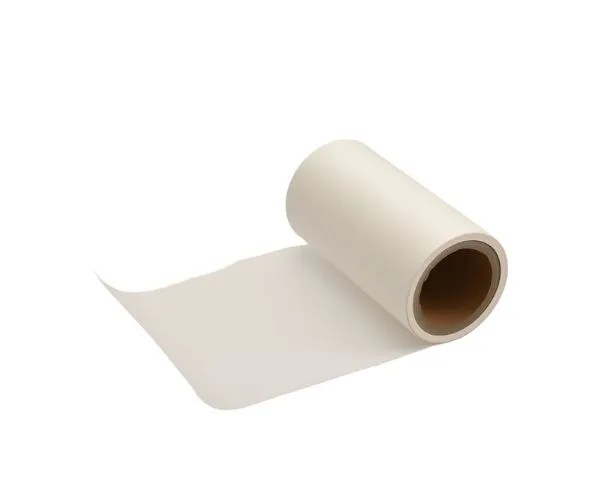
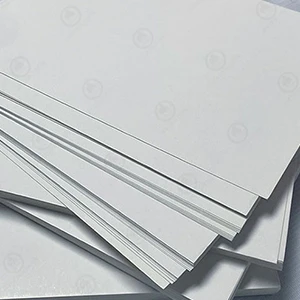
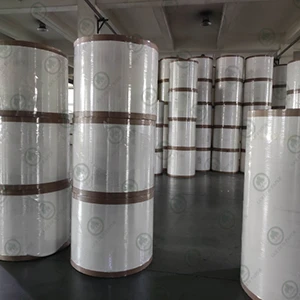
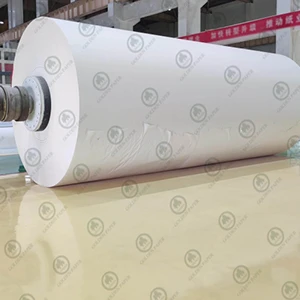
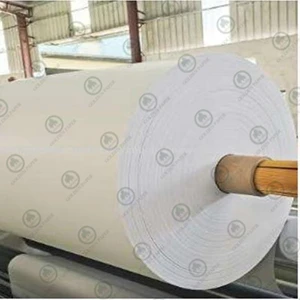
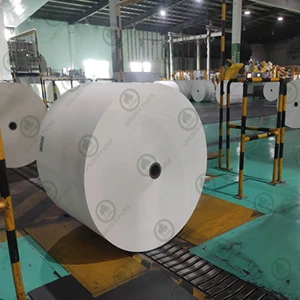
Glassine Paper is a high-density specialty paper typically made mainly from bleached chemical wood pulp. The pulp is highly refined to create a tighter fiber structure, and the paper then goes through supercalendering to achieve a smoother surface.
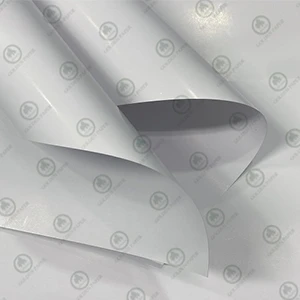
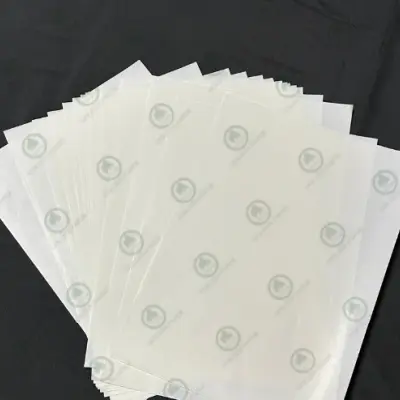
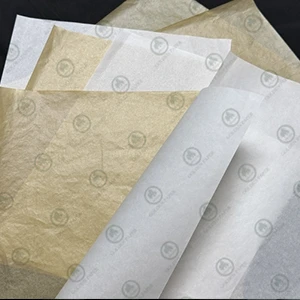
This production process gives Glassine Paper its characteristic semi-transparent appearance while maintaining good surface smoothness and converting stability. Glassine Paper itself usually does not have a silicone coating, so it should not be directly considered release paper with anti-stick properties.
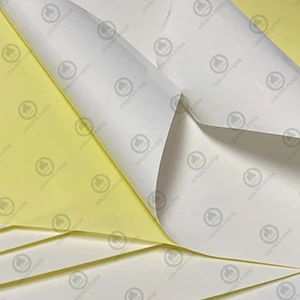
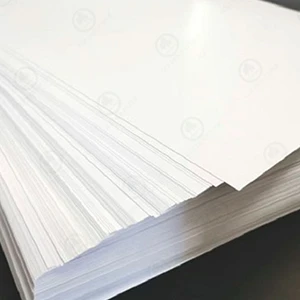
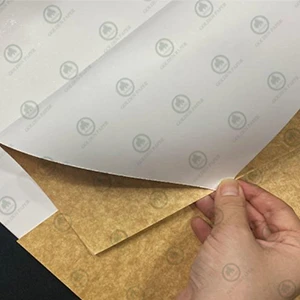
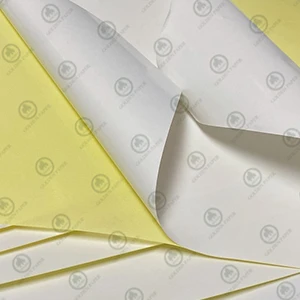
Silicone Paper, on the other hand, is a functional release paper. It is made by applying a silicone coating to the surface of the base paper, which reduces surface adhesion and allows adhesives or other sticky materials to be easily peeled away from the paper.
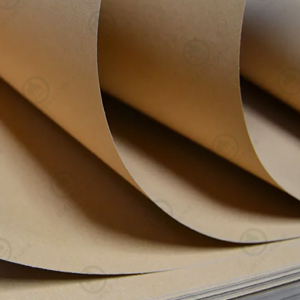
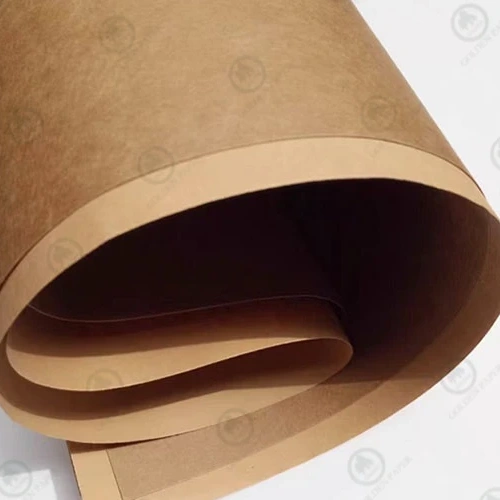
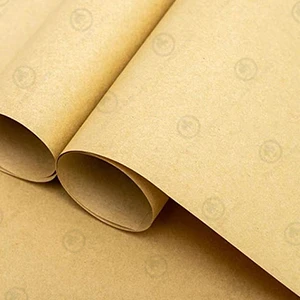
The base paper used for Silicone Paper is not limited to Glassine Paper. Other papers, such as Kraft Paper, can also be selected depending on the end application. Therefore, from a product definition perspective, Glassine Paper can be used as a base paper for Silicone Paper, but Glassine Paper itself is not Silicone Paper.
The special properties of Glassine Paper mainly come from its paper structure rather than an additional surface coating.
During production, the wood pulp is thoroughly refined to create stronger and tighter bonding between the fibers. After the paper is formed, supercalendering further improves its surface smoothness and density.
These processes significantly reduce the pores inside the Glassine Paper and increase its density while creating a smooth surface. Because of its dense structure, Glassine Paper generally offers good dimensional stability during subsequent die-cutting and converting processes.
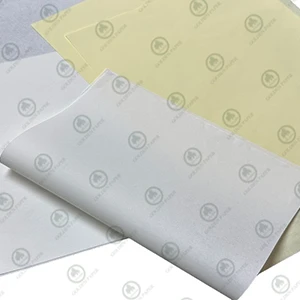
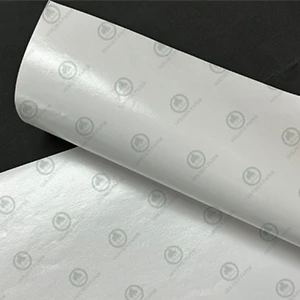
Its semi-transparent appearance is also one of the most recognizable features of Glassine Paper. Light can partially pass through the dense paper structure, so it is not completely opaque like ordinary white paper.
It is important to note that these properties come from the manufacturing process of Glassine Paper itself. Ordinary Glassine Paper does not automatically have release properties simply because it is semi-transparent.
The production of Silicone Paper focuses on applying a silicone coating to the surface of the base paper.
During production, the silicone needs to be evenly distributed across the paper surface to form a stable release layer. Since different base papers have different surface structures, the silicone coating process also needs to be adjusted accordingly.
For example, ordinary Kraft Paper has a relatively loose structure with more pores. Direct silicone coating may increase the penetration of silicone into the paper. For some product structures, the paper may first be treated through processes such as PE extrusion coating before the silicone coating is applied.
Glassine Paper has a higher density and lower porosity, making it highly suitable as a base paper for Silicone Paper. With the right coating process, the silicone can be distributed more evenly and consistently across the paper surface, helping achieve stable release performance.
Therefore, Glassine Silicone Paper is essentially a combination of Glassine Paper as the base paper and a silicone coating.
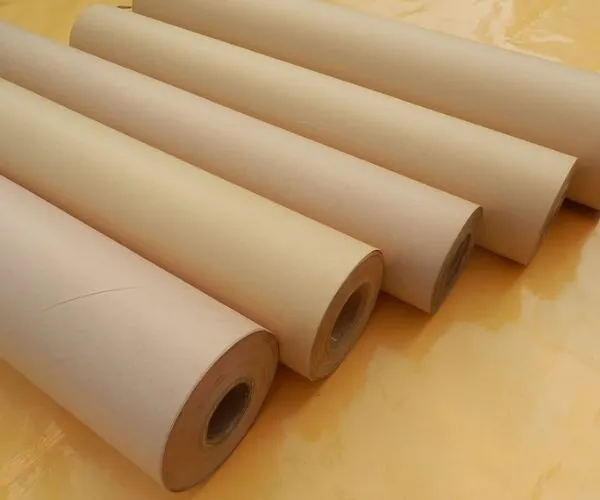
The most obvious functional difference between Silicone Paper and ordinary paper is its release performance.
Silicone reduces the adhesion between the paper surface and adhesives. When an adhesive material comes into contact with the silicone surface, it can be peeled away when needed without creating the strong adhesion that would occur with ordinary paper.
This property makes Silicone Paper an important material for pressure-sensitive adhesive labels, adhesive tapes, and some medical materials.
However, stronger release performance is not always better. Different adhesives and converting processes require different release levels. If the release force is too high, the material may be difficult to peel away. If the release force is too low, it may affect product stability during production, transportation, or use.
Therefore, when purchasing Silicone Paper, you should not only focus on paper grammage and thickness. The release performance should also be confirmed based on the end application.
The performance differences between Silicone Paper and Glassine Paper mainly come from their different product structures.
Glassine Paper focuses more on the physical properties of the paper itself. Its high-density structure provides a relatively smooth surface and good dimensional stability. This stability is particularly important for products that require high-speed die-cutting.
Silicone Paper focuses more on surface functionality. In addition to the strength and converting performance of the base paper, the uniformity of the silicone coating and the final release performance can also affect how the product performs in actual use.
The appearance of the two papers can also be different.
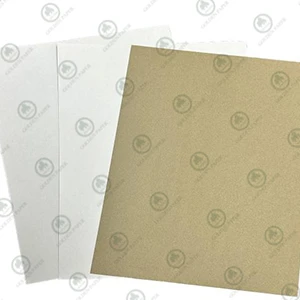
Glassine Paper usually has a semi-transparent appearance, while the appearance of Silicone Paper mainly depends on the base paper used. If Glassine Paper is used as the base paper, the finished product will usually retain some degree of transparency. If Kraft Paper is used as the base paper, the finished product will have a different color and visual appearance.
Therefore, you cannot determine whether a paper is Silicone Paper simply by checking whether it is semi-transparent.
Glassine Paper and Silicone Paper have some overlapping applications, but they do not always serve the same purpose.
Ordinary Glassine Paper can be used in applications that require a semi-transparent appearance and stable converting performance. For example, some printing, packaging, and medical materials use Glassine Paper for its inherent properties.
Silicone Paper is mainly used for products that require release functionality. Common applications include release liners for pressure-sensitive adhesive labels, release materials for adhesive tapes, and release liners for some medical dressings.
Glassine Silicone Paper combines the properties of the Glassine base paper with those of the silicone coating, making it well suited for pressure-sensitive adhesive labels and high-speed die-cutting products. For applications that require consistent release performance, the Glassine base provides a good converting foundation, while the silicone coating provides the main release function.
Food and baking applications may also use specially treated release paper. However, the specific product needs to be evaluated based on food-contact requirements and local regulations. The paper name alone should not be used to determine whether a product is suitable.
For buyers, the first step in choosing between Glassine Paper and Silicone Paper is to consider the end application.
If you need a high-density, semi-transparent paper base, Glassine Paper may be more suitable. If the product needs anti-stick and easy-release properties, you should choose release paper treated with silicone.
If you need both the converting properties of Glassine Paper and the release performance of Silicone Paper, Glassine Silicone Paper is usually the more direct choice.
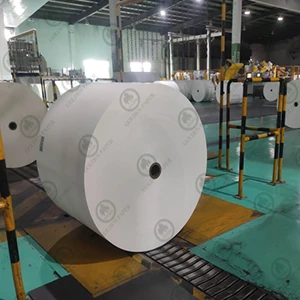
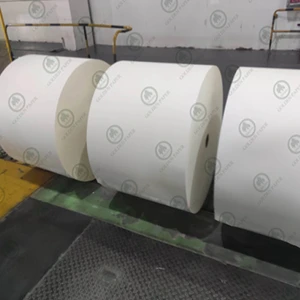
When purchasing, you should also confirm basic specifications such as paper grammage, thickness, roll width, and core size. For Silicone Paper, you should further confirm the silicone coating method, whether the release coating is applied on one or both sides, and the specific release performance required.
For label and tape manufacturers in particular, the release liner needs to match the adhesive being used. Therefore, testing samples before bulk purchasing is usually more important than simply comparing paper prices.
Glassine Paper is often used as a base paper for silicone release paper because of its structural characteristics.
Its high-density structure provides a relatively stable surface for silicone coating. Compared with ordinary base paper with a looser structure, Glassine Paper has fewer pores. Under suitable production conditions, this can help reduce silicone penetration and maintain coating stability.
At the same time, Glassine Paper offers good converting performance. After being treated with silicone, it can retain the advantages of the base paper while providing release functionality, making it suitable for applications that require high die-cutting speeds and stable converting performance.
This is also an important reason why Glassine Silicone Paper has strong application value in the label, tape, and other release material markets.
The key difference between Silicone Paper and Glassine Paper is their function. Glassine Paper is a high-density specialty paper that can be used as a base paper for Silicone Paper, while Silicone Paper gains its release properties through silicone coating. When purchasing, you should confirm the base paper, grammage, and release requirements based on the end application, and test samples to make sure the material meets your converting needs. Contact Golden Paper for a quote and samples!