EN
EN
 fr
fr  de
de  es
es  it
it  ru
ru  pt
pt  ar
ar  vi
vi  tr
tr  id
id 


Phone:
0086 27 688745330086 18049845758
 GOLDEN PAPER

.webp "Digital Transfer Paper/Sublimation Paper")




Gable top cartons and aseptic cartons are both common paper-based packaging formats for liquid foods such as milk, juice, and plant-based beverages. For food manufacturers and packaging companies, choosing between them is not just about the carton shape. Different filling processes, storage conditions, and shelf-life requirements directly affect the type of Liquid Packaging Board (LPB) needed. If you are sourcing liquid packaging board or developing a gable top carton product, keep reading.
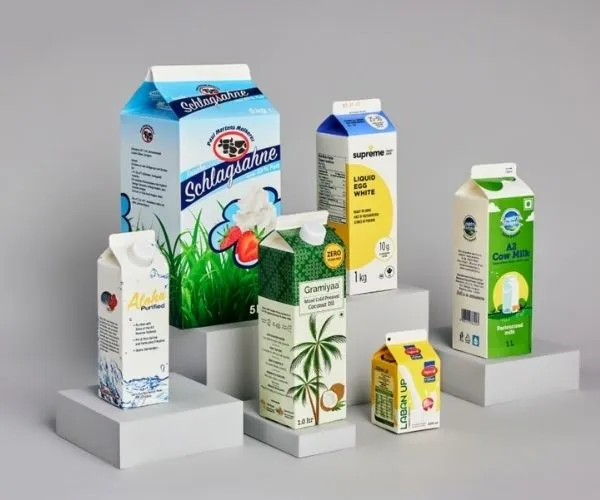
A Gable Top Carton is a paper-based liquid packaging format with a folded, roof-like top. It is commonly used for fresh milk, refrigerated juice, and other liquid foods that require refrigerated storage.
One of its key features is its relatively high paperboard content and the need for good stiffness. After the paperboard is folded and formed, the top creates a gable-like structure while providing a large printable surface for product branding and information.
For packaging manufacturers, gable top cartons require not only good print quality but also stable performance during folding, forming, and subsequent coating or lamination processes.
Therefore, when selecting paperboard for gable top cartons, grammage is not the only factor to consider. Stiffness, thickness, surface quality, and converting performance are equally important.
An Aseptic Carton is commonly used for aseptic liquid food packaging, including shelf-stable milk, juice, and plant-based beverages. Compared with gable top cartons, aseptic cartons have a more regular rectangular shape and are typically used with aseptic filling systems.
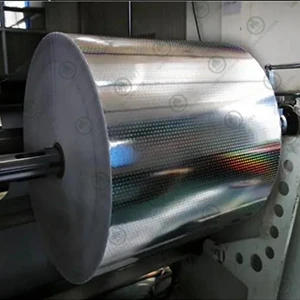
These cartons require strong barrier performance, so the paperboard is usually laminated with materials such as PE and aluminum foil. The paperboard mainly provides structural support, while the different layers work together to provide moisture resistance, oxygen barrier protection, light protection, and heat-sealing performance.
This means Aseptic Liquid Packaging Board needs to provide a balance of stiffness, thickness, surface properties, and suitability for lamination and converting.
What really matters is how the requirements for liquid packaging board differ between gable top and aseptic cartons. Although both are paper-based liquid packaging formats, their production processes are not exactly the same, so the base paperboard also needs to meet different requirements.
Gable top cartons are typically produced from pre-formed carton blanks. The paperboard may go through printing, coating, or lamination before being die-cut, folded, and formed. The finished carton needs to maintain its structure while also being easy for consumers to open and pour.
For this reason, Gable Top Liquid Packaging Board generally needs good stiffness and consistent thickness. If the paperboard is too soft, the formed carton may not maintain its shape. If thickness or surface properties vary too much, they may also affect printing, folding, and subsequent converting processes.
For premium fresh milk and refrigerated beverage brands, surface quality is also important because gable top cartons often provide a large area for high-quality color printing.
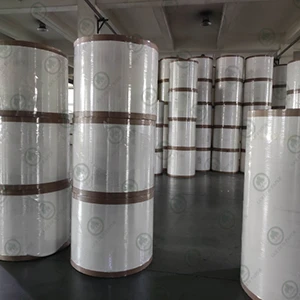
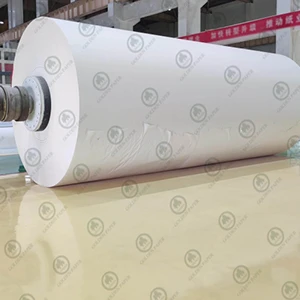
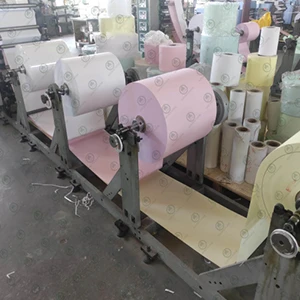
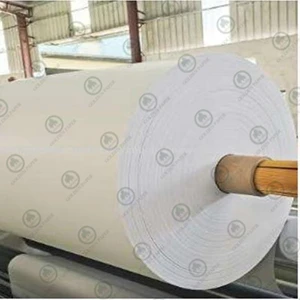
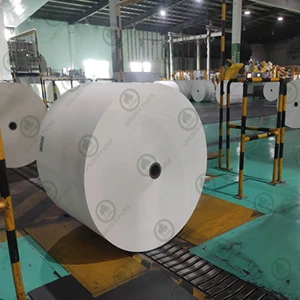
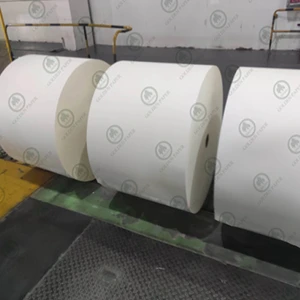
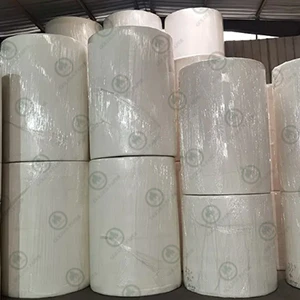
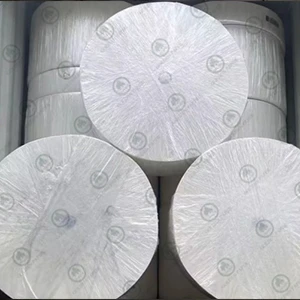
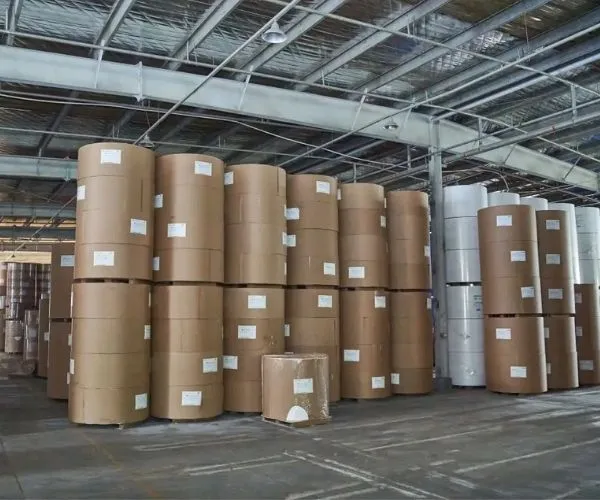
Aseptic cartons rely more heavily on continuous and automated production systems. Liquid packaging board is typically supplied in rolls for subsequent lamination and converting, so the paperboard needs to provide stable runnability throughout the process.
After lamination with materials such as PE and aluminum foil, the complete packaging structure must also meet the requirements of high-speed forming, filling, and heat sealing.
Therefore, for Aseptic Liquid Packaging Board, basic paper strength and stiffness are not enough. Surface quality, thickness uniformity, and suitability for lamination and converting are also important.
This is why liquid packaging board suppliers cannot simply use the same purchasing standards as they would for conventional packaging paper.
This is an important point that many buyers may overlook when selecting a supplier. Liquid packaging covers a wide range of applications.
Fresh milk may need to be refrigerated, while UHT milk may be stored at room temperature for several months. Some products require a large area for high-quality printing, while others place greater emphasis on high-speed aseptic filling.
These different product requirements can affect both the packaging structure and the performance requirements of the paperboard. For example, gable top cartons place greater emphasis on the structural performance and appearance of the formed carton, making board stiffness and surface quality especially important. Aseptic cartons, on the other hand, place greater emphasis on roll runnability and lamination performance while also needing to work with aseptic filling systems.
Therefore, when sourcing LPB, it is generally more practical to determine the final packaging format first and then select the appropriate paperboard specifications, rather than simply choosing the lowest-priced option.
If your products are mainly sold through refrigerated channels, a gable top carton may be a suitable choice.
Gable Top Liquid Packaging Board is commonly used for fresh milk, refrigerated juice, dairy beverages, refrigerated plant-based beverages, and other chilled products that require paper-based liquid packaging. These products typically place greater emphasis on carton structure, print quality, and consumer convenience. Therefore, the liquid packaging board needs stable stiffness and good converting performance to help packaging manufacturers achieve consistent results during folding, forming, and other converting processes.
For liquid foods that require a longer shelf life and room-temperature distribution, aseptic cartons are often a better choice.
Liquid Packaging Board can be used for milk, juice, plant-based protein beverages, and other liquid food packaging applications. Depending on the final packaging structure, the paperboard can be laminated with PE, aluminum foil, and other functional materials.
It is important to note that LPB is not the complete finished liquid package.
In actual production, the paperboard is usually combined with other functional layers to create a paper-based composite packaging material suitable for a specific product and filling process.
Therefore, when choosing an LPB supplier, buyers should not only ask about the price per ton. They should also confirm whether the paperboard is suitable for their lamination process and filling equipment.
If you are looking for paperboard for gable top cartons or aseptic cartons, you can start by checking several key factors.
First, confirm whether the final package will be a Gable Top Carton or an Aseptic Carton.
Next, determine whether the product will be refrigerated or shelf-stable and define the target shelf life.
Then, based on the downstream process, confirm the required grammage, thickness, stiffness, and surface properties of the paperboard.
If the paperboard will be laminated with PE or aluminum foil, you should also confirm that the supplier's board is suitable for the required lamination process.
For aseptic cartons, it is also important to consider the paperboard's runnability on high-speed roll-fed converting and filling equipment.
In other words, the right liquid packaging board is not simply the one with the highest specifications. It is the one that matches the final packaging structure and production line.
For liquid food packaging manufacturers, a stable supply can be more important than getting the lowest price on a single order.
Once liquid packaging board enters the lamination and filling process, significant variations in thickness, stiffness, or surface properties can affect the overall production process.
Therefore, when evaluating a supplier, it is worth looking at its paperboard production capabilities, quality control system, available specifications, and batch-to-batch consistency.
Golden Paper supplies Liquid Packaging Board and Gable Top Liquid Packaging Board for liquid food packaging applications, with paperboard solutions designed for different packaging requirements. If you are looking for paperboard for gable top or aseptic liquid packaging, contact Golden Paper for specifications, samples, and quotations, and we can help identify a suitable LPB based on your lamination process and final application.