EN
EN
 fr
fr  de
de  es
es  it
it  ru
ru  pt
pt  ar
ar  vi
vi  tr
tr  id
id 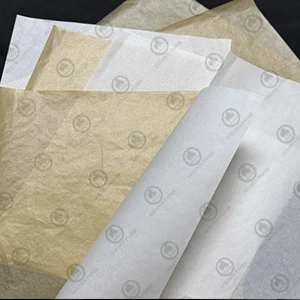
Phone:
0086 27 688745330086 18049845758
 GOLDEN PAPER





.webp "Digital Transfer Paper/Sublimation Paper")
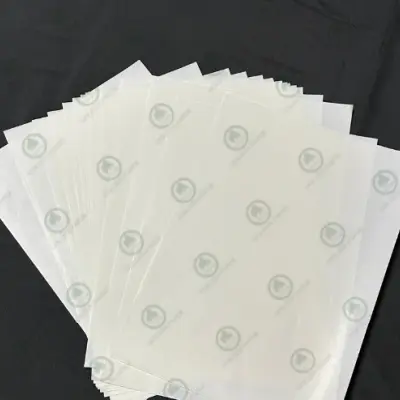

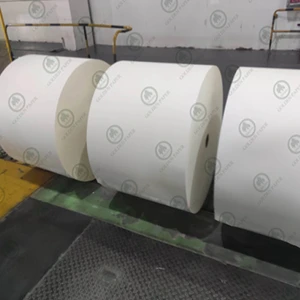

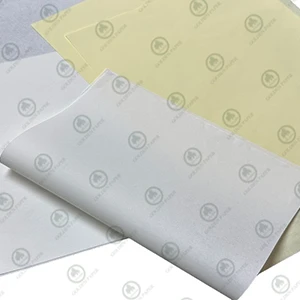

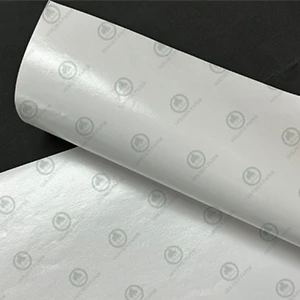
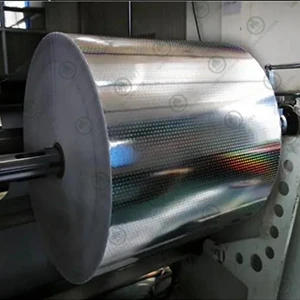
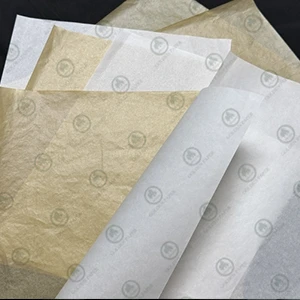

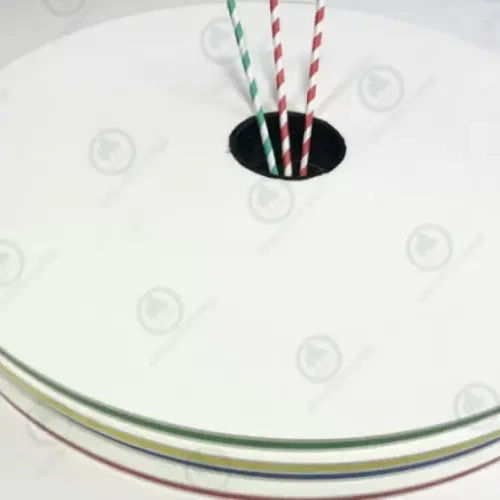
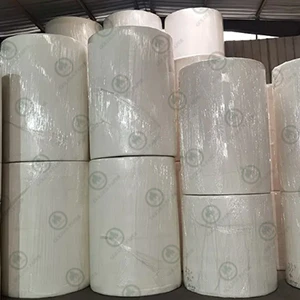
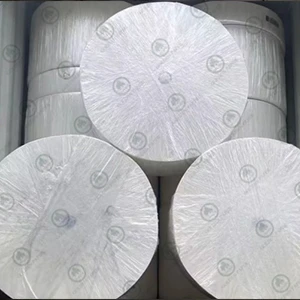

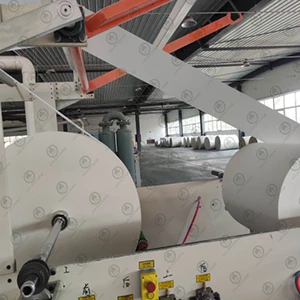
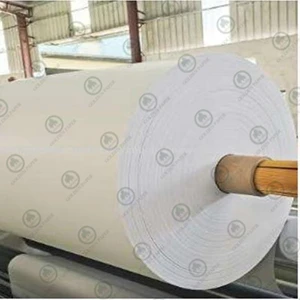
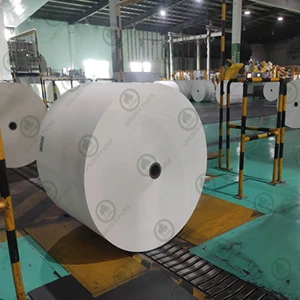
Kitchen towel paper is designed specifically for kitchen cleaning, food handling, and everyday hygiene. Compared with ordinary tissue paper, it is usually thicker, larger, and stronger, with better absorbency and durability for dealing with water, grease, and food residues.
From household kitchens to restaurants, hotels, and food processing facilities, kitchen towel paper is being used in more situations. As hygiene awareness continues to increase and commercial foodservice activity recovers, demand is moving beyond basic cleaning needs. At the same time, sustainability and product performance are becoming increasingly important when buyers choose kitchen towel paper.
Kitchen environments create more demanding cleaning conditions than many other household areas. Water, oil, food residues, and other liquids can all affect the performance of paper during use.
For this reason, kitchen towel paper is commonly produced with a multi-layer structure. Additional layers can increase paper thickness and create more space for absorbing and retaining liquids. This is particularly important when the paper needs to handle a wet surface or absorb a larger amount of water.
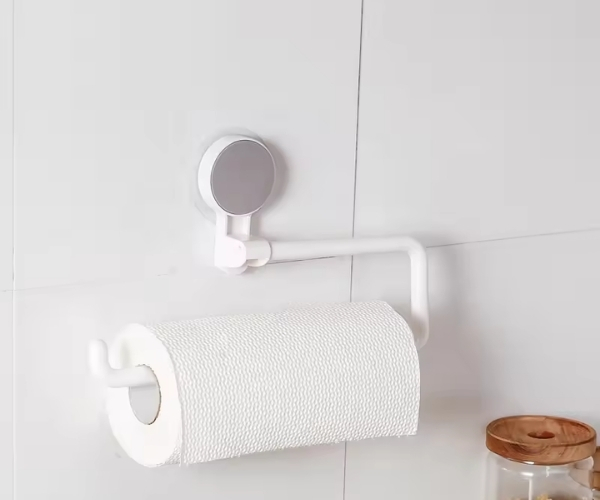
Wet strength is another important factor. If paper loses too much strength after becoming wet, it can tear easily, leave pieces behind, or become difficult to use. Kitchen towel paper therefore needs to balance absorbency with sufficient wet strength.
Flexibility also matters. Paper that is too weak may break during wiping, while paper that is too rigid may not provide a comfortable user experience. For commercial kitchens, where paper may be used continuously throughout the day, consistent performance becomes even more important.
Common formats include kitchen towel rolls and interfolded or folded towels. Different formats can be produced according to the requirements of household, foodservice, and commercial cleaning applications.
The development of the kitchen towel paper market is closely connected with changes in household hygiene habits.
As disposable income increases, consumers are paying more attention to cleanliness and convenience in their daily lives. The kitchen is not only a place for cooking but also an area that requires frequent cleaning. Wiping countertops, removing grease, absorbing water, and handling food-related spills are all common applications for kitchen towel paper.
Consumers are also becoming more aware of hygiene and cross-contamination. Compared with reusable cloths, disposable paper towels offer a convenient option for certain cleaning tasks because they can be discarded after use.
Changes in household lifestyles have further expanded the number of situations in which kitchen towel paper is used. As home cooking and routine kitchen cleaning become more frequent, kitchen towel paper is gradually moving from an occasional cleaning product to a regular household necessity.
This creates a stable demand base for paper towel manufacturers and converters.
Households are not the only important market. Restaurants, hotels, catering businesses, and food processing facilities are also major users of kitchen towel paper.
Commercial kitchens generally require more frequent cleaning and operate under more demanding conditions. Water and grease may be present at the same time, while work surfaces and equipment need to be cleaned repeatedly throughout the day. These conditions place greater requirements on absorbency, wet strength, durability, and paper consistency.
Kitchen towel paper can be used to wipe work surfaces and equipment, absorb excess moisture, and handle everyday cleaning tasks. In food-related applications, the cleanliness and suitability of the paper are also important considerations.
As the foodservice and hospitality sectors continue to recover and expand, commercial demand is creating additional opportunities for kitchen towel paper suppliers. Unlike household buyers, commercial customers often pay closer attention to supply stability, packaging specifications, production efficiency, and total purchasing costs.
For paper manufacturers and converters, this means that product development needs to consider not only the final appearance of the paper but also its performance during rewinding, converting, cutting, and other production processes.
The growth of the kitchen towel paper market also comes with increasing environmental expectations.
Traditional tissue and towel products mainly rely on fiber-based raw materials such as wood pulp. However, pulp prices can fluctuate significantly, affecting production costs. At the same time, customers and end users are paying more attention to sustainable sourcing and the environmental impact of paper products.
This has encouraged the development of products using alternative or renewable fibers. Bamboo fiber, for example, has attracted attention in some kitchen towel applications. Manufacturers are also exploring ways to optimize paper structure so that they can maintain absorbency and strength while reducing unnecessary material consumption.
However, sustainability does not simply mean reducing paper weight.
If paper is too thin or too weak when wet, users may need to consume more sheets to complete the same cleaning task. This can reduce material efficiency rather than improve it.
A better approach is to optimize fiber selection, paper structure, basis weight, and manufacturing processes together. The goal is to achieve a practical balance between absorbency, strength, thickness, usability, and material efficiency.
In the past, kitchen towel paper mainly competed on basic factors such as price, sheet size, and ply count. As the market develops, product differentiation is becoming more important.
Higher-value products may focus on faster liquid absorption, improved wet strength, better softness, or more consistent performance. Some products are also exploring antibacterial concepts, bamboo fibers, and other sustainable materials to address specific market requirements.
Distribution channels are changing as well. Supermarkets and traditional retail stores remain important, but e-commerce has made it easier for consumers to compare different brands, sizes, and product specifications. This provides opportunities for manufacturers to introduce differentiated products to new markets.
For B2B buyers, however, purchasing decisions are usually more complicated than simply comparing retail prices. The actual cost of a paper product can also be affected by converting efficiency, material consumption, breakage, production waste, and product consistency.
This is why the quality of the base paper is becoming increasingly important.
A stable base paper can help converters maintain consistent production performance and reduce unnecessary losses during processing. For large-volume buyers, reliable quality and continuous supply can be just as important as the initial paper price.
For kitchen towel manufacturers and converters, selecting the right raw material is an important part of controlling final product quality.
Absorbency should be considered first, but it should not be evaluated separately from wet strength. A paper that absorbs liquid quickly but loses its structure immediately may not perform well in real kitchen environments.
Thickness and bulk are also relevant because they influence both the feel of the finished product and its liquid-holding capacity. At the same time, the paper needs to remain suitable for the customer's converting equipment.
Consistency is another key consideration for B2B procurement. Variations in paper quality can affect rewinding, cutting, embossing, and other converting processes, potentially increasing production waste.
Supply stability should also be part of the sourcing decision. For manufacturers working with regular orders, an attractive price is of limited value if the supplier cannot maintain consistent quality and delivery schedules.
Therefore, buyers should evaluate kitchen towel paper from a broader perspective that includes paper performance, converting efficiency, supply stability, and total cost.
As demand for kitchen towel paper continues to develop, reliable raw material supply is becoming increasingly important for manufacturers and converters.
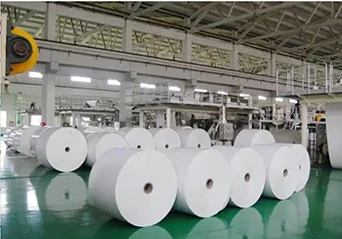
China Paper supplies paper products for international B2B customers and focuses on providing stable quality, consistent supply, and solutions suited to different converting requirements. We understand that for paper processors, the right raw material needs to perform consistently not only in the final product but also throughout the production process.
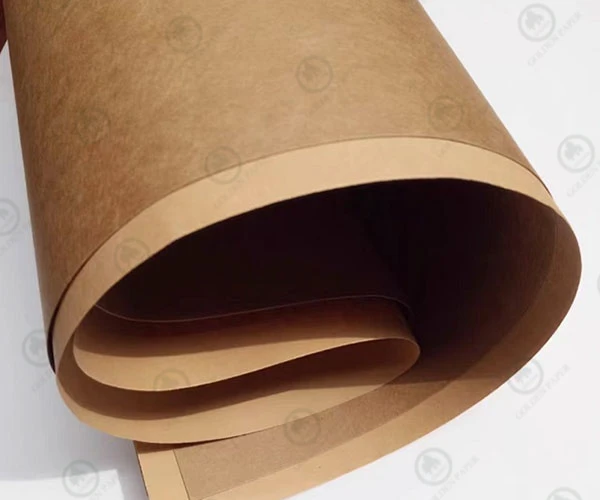
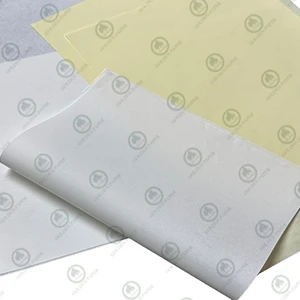
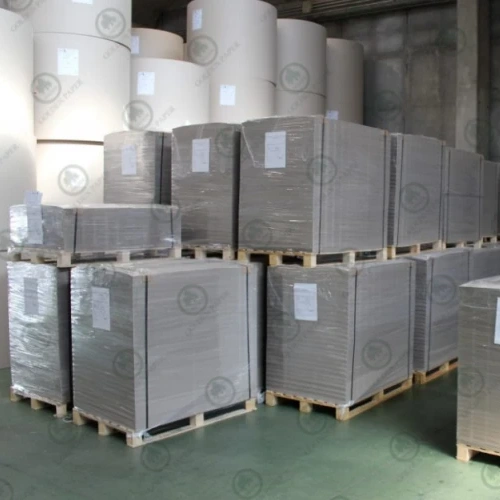
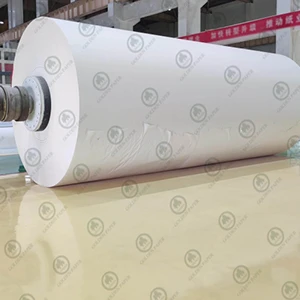
Our current kitchen towel paper stock is available for immediate supply, providing an option for buyers who need material without waiting for a long production cycle.
Whether you are a kitchen towel manufacturer, paper converter, distributor, or importer looking for a new supply source, we can discuss your required specifications, application, quantity, and delivery requirements.
Looking for kitchen towel paper for your next production order? Contact Golden Paper today to check our available stock, specifications, and pricing. We are ready to discuss your requirements and provide a suitable supply solution.