EN
EN
 fr
fr  de
de  es
es  it
it  ru
ru  pt
pt  ar
ar  vi
vi  tr
tr  id
id 
Phone:
0086 27 688745330086 18049845758
 GOLDEN PAPER

.webp "Digital Transfer Paper/Sublimation Paper")
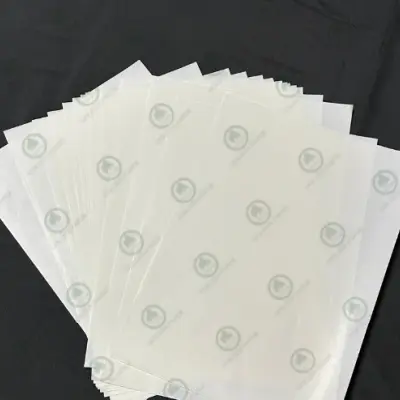
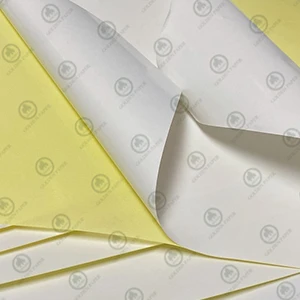
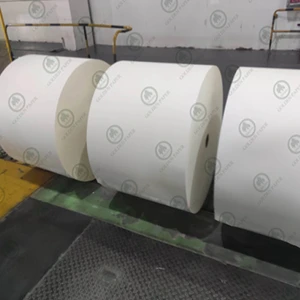

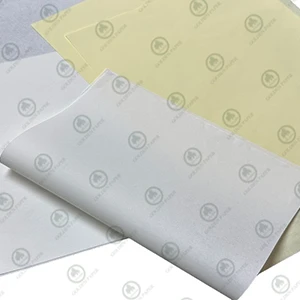


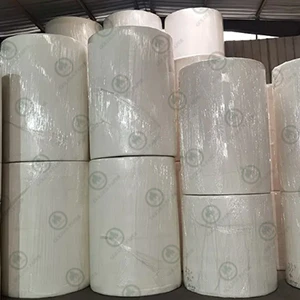
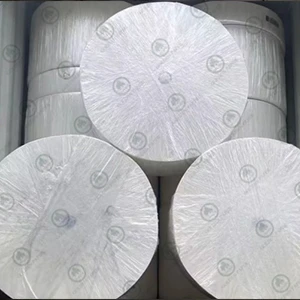

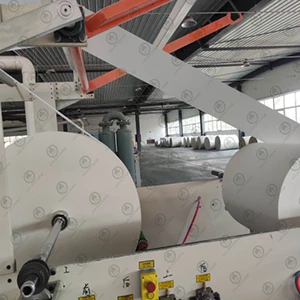
In the paper industry, pulp determines a paper’s fundamental performance. Whether it is printing paper, packaging board, office paper, or industrial paperboard, key properties such as strength, brightness, durability, and cost are closely linked to the type of pulp used.
Understanding the sources, processing methods, and typical applications of different pulp types helps you choose the right paper material more accurately and avoid performance mismatches in real-world use.
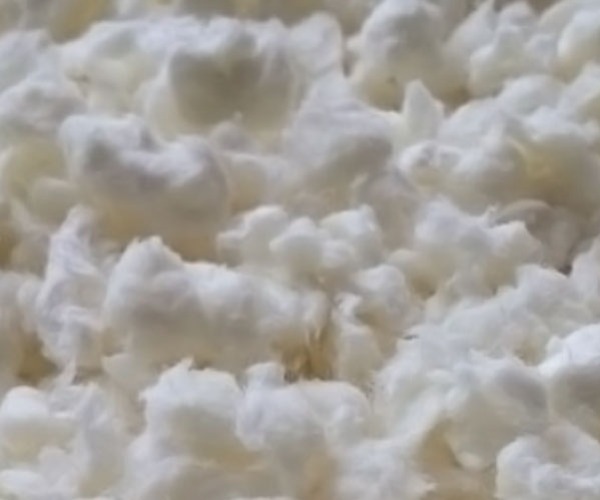
Mechanical wood pulp, also known as groundwood pulp, is produced by mechanically grinding wood fibers without chemical treatment. During this process, most components of the wood—including cellulose, lignin, and other non-cellulosic substances—are retained. As a result, this pulp offers high raw material yield and low production cost, making it an important basic pulp in the paper industry.
In terms of performance, mechanical wood pulp has strong ink absorbency, high opacity, and a relatively soft and smooth surface. These characteristics provide good printability, especially for paper products where opacity is a key requirement. However, because fibers are severely shortened during mechanical processing and the lignin content remains high, paper made from this pulp typically has lower strength and limited durability.
In addition, lignin is prone to oxidation when exposed to light and air. Therefore, paper containing a high proportion of mechanical wood pulp tends to yellow and become brittle over time, making it unsuitable for long-term storage. Because mechanical pulp retains most of the lignin naturally found in wood, it delivers high yield but lower permanence. For this reason, it is commonly selected for newspapers, advertising inserts, magazines, and other printed products with relatively short service lives rather than archival publications.
Based on color and application, mechanical wood pulp is commonly divided into two types:
White mechanical wood pulp: Mainly used in newsprint production and often blended into writing paper and printing paper to improve opacity while reducing overall cost.
Brown mechanical wood pulp: Primarily used for packaging paper and paperboard, especially industrial grades where appearance is less critical and cost control is emphasized.
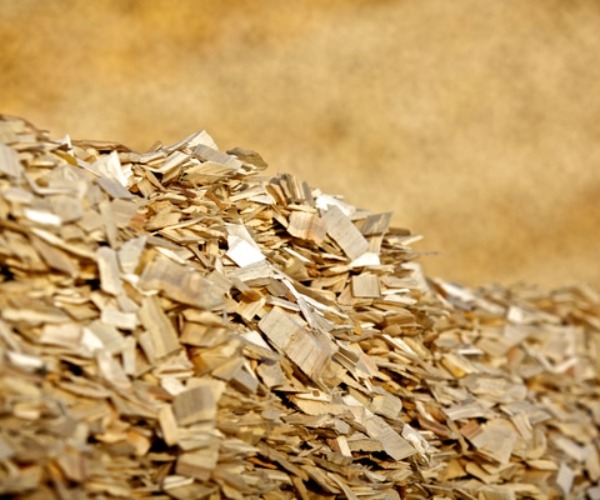
Sulphate wood pulp, also known as kraft pulp, is one of the most widely used chemical pulps worldwide. Its cooking process uses sodium hydroxide and sodium sulfide to remove lignin under relatively mild conditions, allowing the fibers to retain their integrity to the greatest extent possible.
Compared with mechanical pulp, the key advantage of kraft pulp lies in its strong and tough fibers. Paper made from sulphate wood pulp exhibits excellent folding endurance, bursting strength, and tear resistance, making it ideal for applications with high physical performance requirements.
Depending on whether the pulp is bleached, sulphate wood pulp is generally classified into two categories:
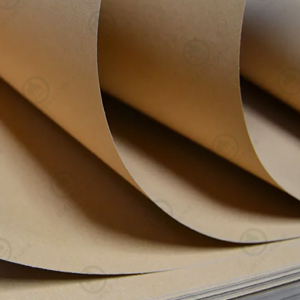
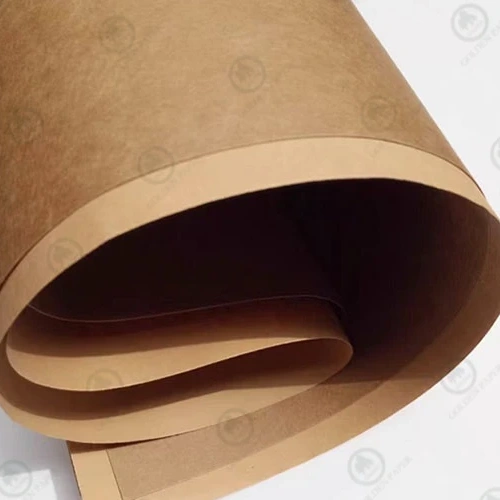
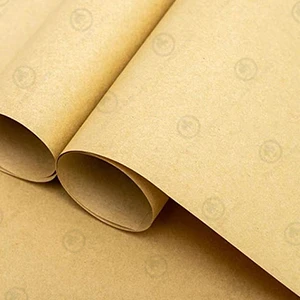
Unbleached sulphate wood pulp: Brown in color but offering maximum fiber strength, it is widely used for kraft paper, sack paper, linerboard, and various packaging and industrial paperboard products.
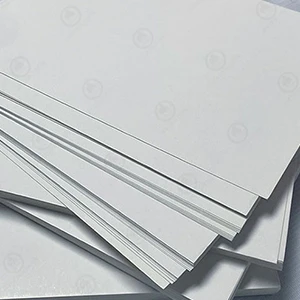
Bleached sulphate wood pulp: While maintaining good strength, this pulp provides higher brightness and cleanliness, making it suitable for high-grade printing paper, offset paper, writing paper, and art paper.
For paper products that emphasize strength, stability, and reliability, sulphate wood pulp is often the preferred raw material. Another important advantage of kraft pulp is its excellent fiber bonding ability. Long virgin fibers create stronger inter-fiber connections, resulting in better burst strength, compression resistance, and converting performance. This is why kraft pulp is widely used for food packaging paper, kraft paper bags, cartonboard, and other packaging materials that require high mechanical strength.
Sulphite wood pulp is a type of chemical pulp produced using sulphurous acid or acidic sulphite solutions as cooking agents. Compared with kraft pulp, the cooking conditions are more acidic, resulting in fibers that are longer, softer, and more flexible, and easier to bleach.
From a performance perspective, paper made from sulphite wood pulp offers good toughness, relatively high strength, and excellent formation. It is particularly suitable for products that require high uniformity and superior surface quality.
Based on the degree of refining and bleaching, sulphite wood pulp can be divided into three types:
Unbleached sulphite wood pulp: Containing small amounts of lignin and colored impurities, this pulp appears light yellow with relatively stiff fibers. It is commonly used for mid-grade printing paper, lightweight packaging paper, as well as glassine and greaseproof paper.
Semi-bleached sulphite wood pulp: Rich in pentosans, it is well suited for papers with high transparency requirements, such as tracing paper and imitation parchment paper.
Bleached sulphite wood pulp: Clean, white, and soft in fiber quality, it is widely used for various high-grade cultural and specialty papers. It should be noted that the bleaching process can cause some fiber damage, resulting in lower strength compared to unbleached pulp. Compared with kraft pulp, sulphite pulp offers better softness and formation, making it suitable for specialty papers where surface quality is more important than maximum strength. Some lightweight printing papers, Bible paper, and technical specialty papers may contain sulphite pulp to improve print performance and paper feel.
.jpg "Recycled_Pulp_(2).jpg")
Waste paper pulp is produced from recovered waste paper or paper trim from printing plants through mechanical dispersion, deinking, and, when necessary, bleaching processes. It is an essential component of resource recycling in the modern paper industry.
The performance of waste paper pulp largely depends on the source and quality of the recovered paper. For example, pulp made from high-grade office paper or writing paper generally has better fiber properties than pulp derived from mixed waste paper. However, because fibers have already undergone mechanical and chemical stress during their first life cycle and recycling process, recycled fibers are typically shorter and more brittle, with lower strength than virgin pulp.
As a result, waste paper pulp is commonly used—according to quality grade—in the production of printing paper, writing paper, various paperboards, and other mid- to low-grade paper products. It helps ensure basic performance while effectively reducing production costs and reliance on virgin wood pulp.
Different pulp types have clearly defined roles, from production processes and fiber characteristics to final applications. Choosing the right pulp not only determines whether paper performance meets requirements, but also directly affects product cost and service life. If you are looking for suitable paper materials for specific applications, feel free to contact Golden Paper for samples and quotations. We are ready to provide more professional material selection advice and tailored solutions.