EN
EN
 fr
fr  de
de  es
es  it
it  ru
ru  pt
pt  ar
ar  vi
vi  tr
tr  id
id 




Phone:
0086 27 688745330086 18049845758
 GOLDEN PAPER

.webp "Digital Transfer Paper/Sublimation Paper")

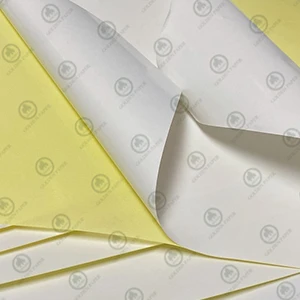
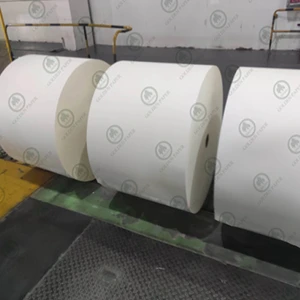

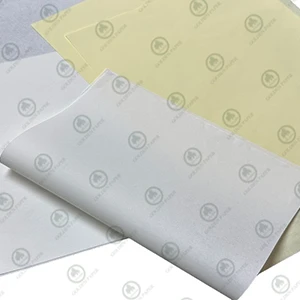

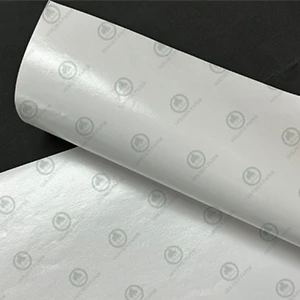

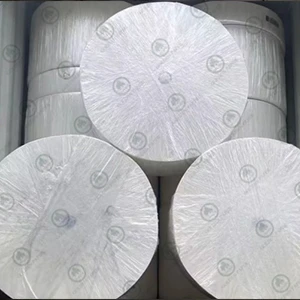

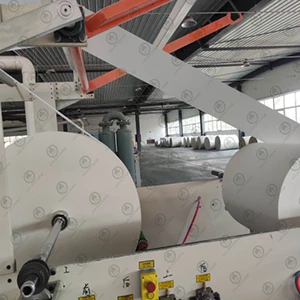
In papermaking, sizing is an essential process used to give paper specific performance characteristics. In general, sizing can be divided into surface sizing and internal sizing, and these two methods differ significantly in terms of application position, working principles, and end-use performance. In this article, we will walk you through the key differences between surface sizing and internal sizing from a practical manufacturing perspective, helping you better understand how each method affects paper properties and applications. If you are interested in how sizing works in paper production, keep reading.
.png "surface_sizing_(2).png")
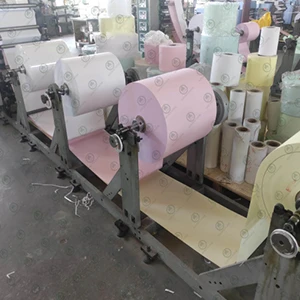
Surface sizing refers to the process in which the sizing agent is applied to the paper surface after the paper sheet has already been formed and partially dried. In our mills, this is typically done using dedicated surface sizing equipment, such as a size press or coating machine, allowing the sizing agent to evenly cover the paper surface.
Internal sizing, on the other hand, takes place during the pulp preparation stage. The sizing agent is added directly to the pulp slurry and becomes part of the paper structure as the sheet is formed. In this way, the sizing agent is distributed within the fiber network or deposited on fiber surfaces, creating internal water resistance throughout the sheet.


Surface sizing works mainly by forming a thin, continuous film on the paper surface or by filling surface pores. This reduces direct contact between liquids and the internal fibers, effectively improving surface strength, water resistance, and oil resistance. As a result, surface-sized paper performs better during printing and converting processes.
Internal sizing relies on chemical reactions or physical adsorption between the sizing agent and the fiber surface. By reducing the natural hydrophilicity of fibers, internal sizing slows down the penetration of water into the paper structure, thereby improving the paper’s overall resistance to moisture.
For surface sizing, commonly used sizing agents include starch and modified starches, synthetic polymers such as styrene-acrylic emulsions and polyvinyl alcohol (PVA), as well as natural polymers like carboxymethyl cellulose (CMC). These materials are selected based on the intended paper application and required surface performance.
For internal sizing, traditional rosin-based sizing has long been used. In recent years, however, more synthetic sizing agents have been widely adopted, including alkyl ketene dimer (AKD) and cationic starch, which offer improved stability in modern papermaking systems.

Surface sizing forms a stable and uniform sizing layer on the paper surface, significantly increasing surface strength and enhancing fiber bonding at the surface. This structural improvement helps reduce common printing issues such as linting and dusting, lowering the risk of press contamination and printing defects. At the same time, surface sizing effectively seals surface pores, improving water resistance and oil resistance while allowing ink to transfer more evenly. This leads to better print clarity, higher color density, and improved overall printability. In addition, proper surface sizing can enhance paper stiffness and folding endurance, providing better mechanical stability during post-processing and end use.
Internal sizing mainly improves water resistance by reducing fiber wettability within the paper structure. Because the sizing action occurs inside the sheet, its direct impact on surface strength is relatively limited compared with surface sizing. However, when properly controlled, internal sizing can improve structural stability under humid conditions and contribute positively to properties such as burst strength and folding endurance, making the paper more reliable during storage and handling.
Surface sizing is commonly used for paper grades that require high surface performance, such as offset paper, writing paper, security paper, and various types of packaging board. These papers are often exposed to high-speed printing, frequent ink contact, or moisture, which places strict demands on surface strength, water resistance, and printability. Surface sizing helps ensure stable printing performance and consistent visual quality, making it ideal for high-quality printing and appearance-sensitive applications.
Internal sizing is the most widely used and fundamental sizing method for general paper grades. It is well suited for papers that require basic water resistance but do not have particularly high surface performance requirements, such as newsprint and standard cultural papers. These products focus more on overall structural stability and cost efficiency, and internal sizing provides adequate moisture resistance without significantly increasing process complexity, making it ideal for large-scale production.
Surface sizing requires additional equipment and drying capacity to ensure proper formation and fixation of the sizing layer. As a result, the process is more complex and involves higher capital investment and energy consumption. However, surface sizing offers excellent flexibility, allowing manufacturers to precisely adjust sizing dosage, sizing agents, and application methods based on specific paper uses and performance targets.
Internal sizing is completed during the pulp preparation stage and does not require extra surface sizing or drying equipment. The process is simpler, and production costs are easier to control. That said, internal sizing performance is highly dependent on pulp quality, fiber condition, and papermaking process stability. Fluctuations in raw materials or operating conditions may affect sizing consistency.
In summary, surface sizing and internal sizing each have their own strengths and application ranges. In practical papermaking, manufacturers choose the most suitable sizing method based on paper grade, performance requirements, and production conditions, and in many cases, both methods are used together to achieve optimal results. With more than 20 years of professional papermaking experience, Golden Paper is ready to support your needs. Feel free to contact us for printing paper and packaging paper samples and quotations.