EN
EN
 fr
fr  de
de  es
es  it
it  ru
ru  pt
pt  ar
ar  vi
vi  tr
tr  id
id 
Phone:
0086 27 688745330086 18049845758
 GOLDEN PAPER

.webp "Digital Transfer Paper/Sublimation Paper")
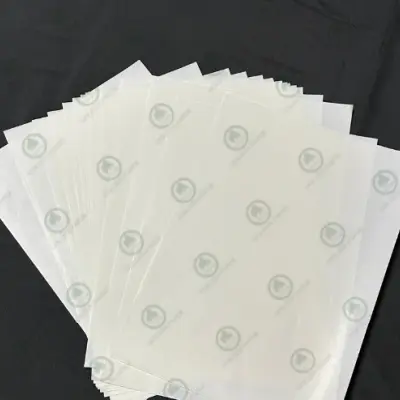
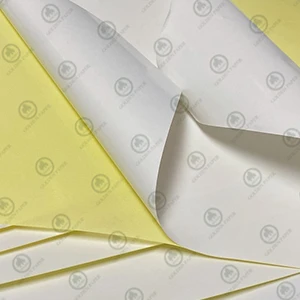
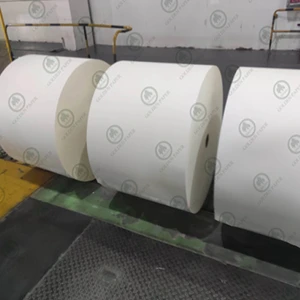

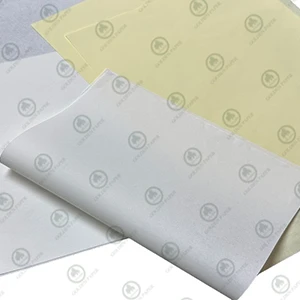

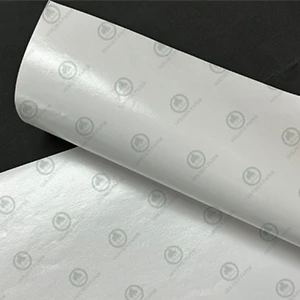
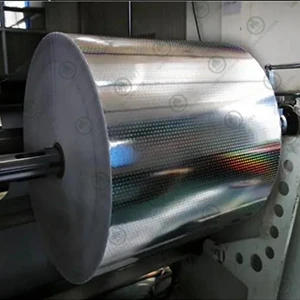
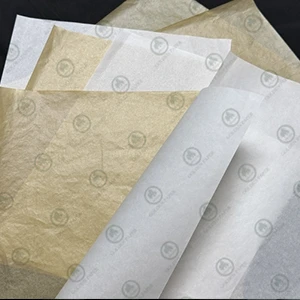
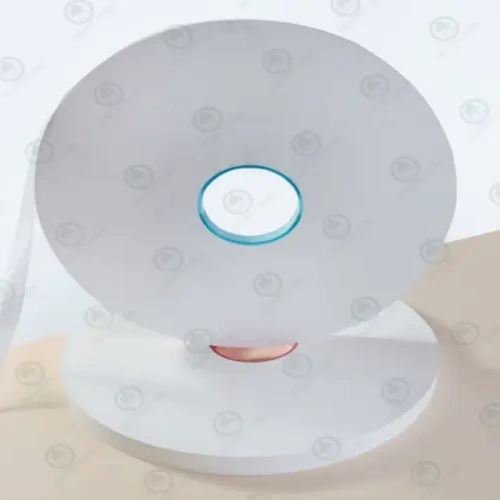
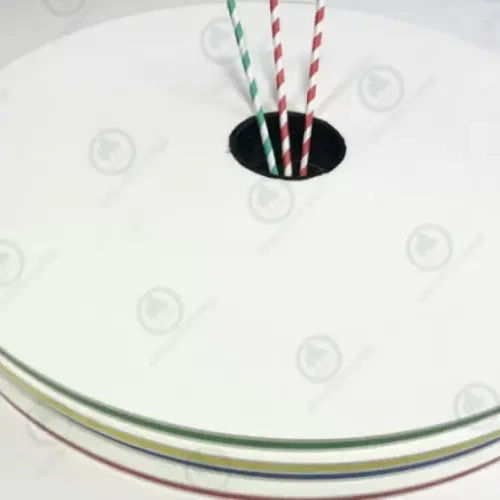
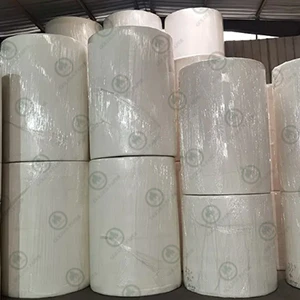
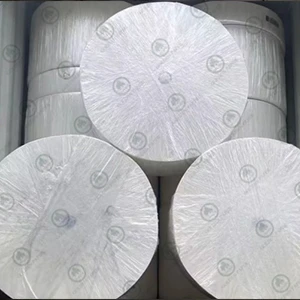

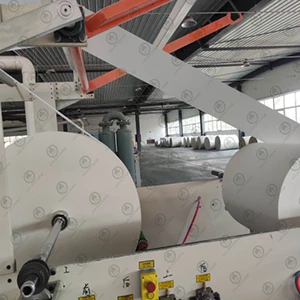
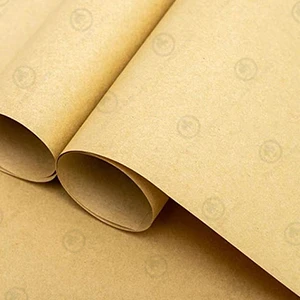
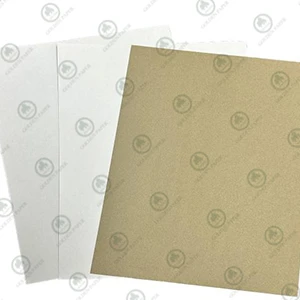
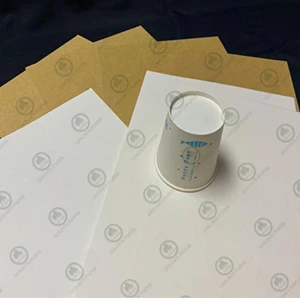
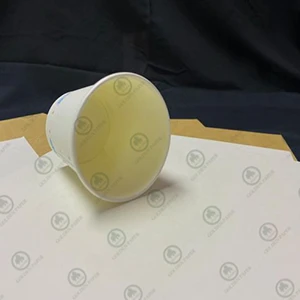
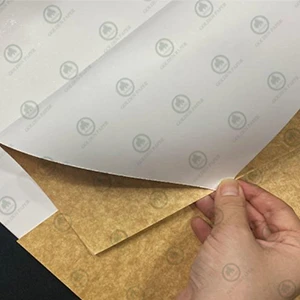
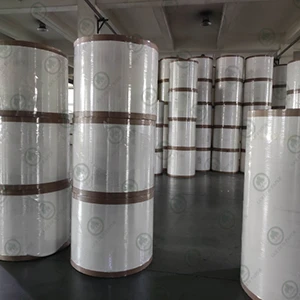
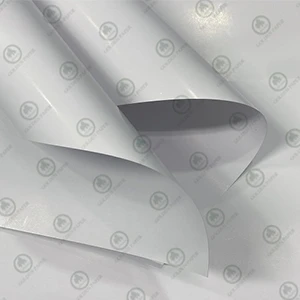
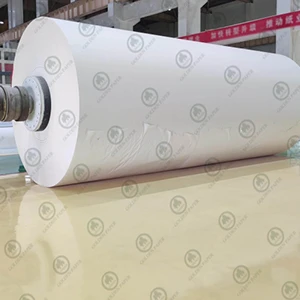
In modern food packaging, baking applications, and industrial protection, one type of specialty paper stands out for being semi-transparent, grease-resistant, waterproof, and heat-resistant—vegetable parchment paper. It is safe for direct food contact, works well in high-temperature baking, and also serves as a reliable protective material in industrial packaging. But how do plants and parchment come together in one product? If you want to understand how vegetable parchment paper is made, keep reading.
Vegetable parchment paper is not made from animal skins. Although traditional parchment originated from animal hide, modern parchment paper is manufactured using plant-based fibers, usually wood pulp. These fibers go through a unique chemical treatment that gives the material the appearance and performance of classic parchment. In essence, vegetable parchment paper—also called industrial parchment paper—is a chemically modified paper with plant-fiber origins and high functional performance. Because it is made from plant fibers and modified through chemical parchmentizing, vegetable parchment paper is often classified as a food-grade specialty paper with both paper and film-like properties.
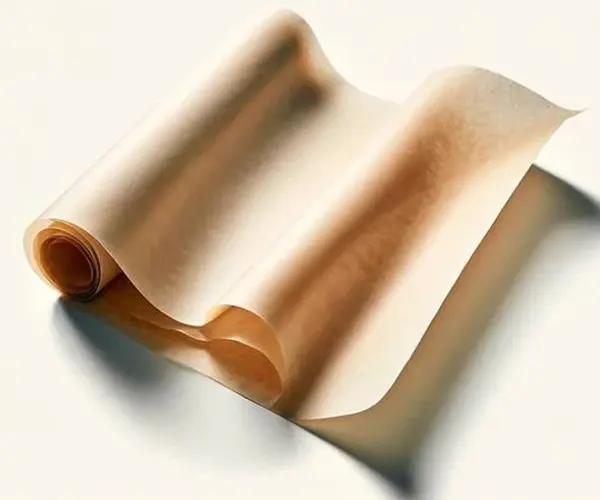
Unlike coated paper or laminated paper, vegetable parchment paper achieves its performance through internal fiber modification rather than surface treatments. This makes the parchmentizing process highly technical and critical to final paper quality, especially for applications requiring grease resistance, wet strength, and heat stability.
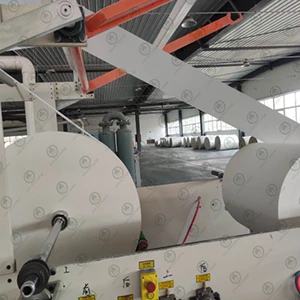
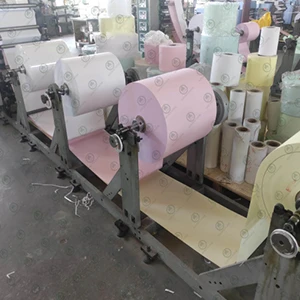
The production of vegetable parchment paper features several specialty paper processes. Its core principle is to modify the fiber structure chemically rather than relying on fillers, sizing agents, or surface coatings. The manufacturing process includes four key steps, each serving a clear purpose in creating the paper’s unique physical and chemical properties.
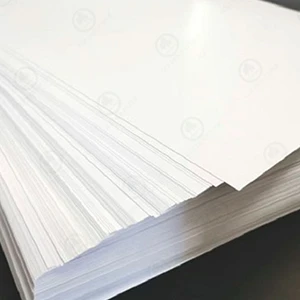
The first step is producing the base paper without any fillers or sizing. Unlike printing paper or cultural paper, which often contain calcium carbonate, talc, starch, AKD, or ASA, vegetable parchment paper requires a pure-fiber structure. This clean fiber base ensures that no fillers interfere with the later sulfuric-acid treatment. If fillers were present, they would dissolve or form impurities during the process, which would damage the paper’s structure and performance.
The second step is immersing the base paper in a concentrated sulfuric acid bath—this is the core of the parchmentizing process. During a short soak, the acid causes the fiber surface to swell, partially hydrolyze, and turn into a gel-like layer. As the reaction continues, gaps between fibers shrink dramatically, transforming the loose network into a dense, uniform, gel-based film. This gel formation and re-solidification gives vegetable parchment paper its exceptional density, strength, and durability—qualities that ordinary paper cannot achieve.
The third step is thoroughly washing the paper to remove all sulfuric acid residues. While sulfuric acid is essential for modifying the fibers, any remaining acid would continue to weaken the paper over time, causing brittleness or safety concerns. Multi-stage washing with flowing water ensures that all acid and hydrolysis by-products are removed. This step is crucial for long-term stability, food safety, and durability.
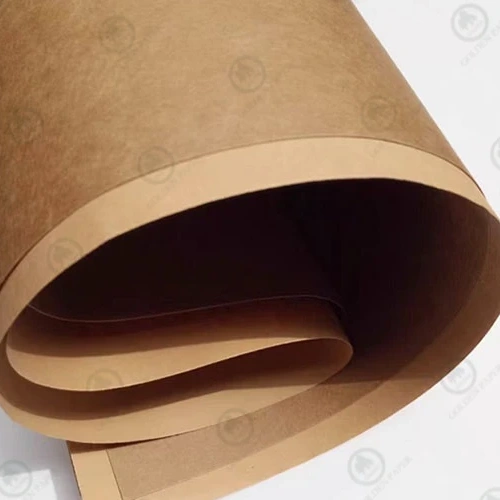
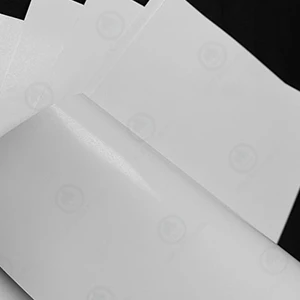
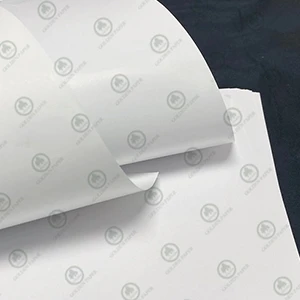
The final step is drying and post-treatment. As the paper dries, the gel layer solidifies into a stable, semi-transparent film. Depending on its final use, the paper may undergo calendering, cutting, or surface conditioning. At this stage, the finished vegetable parchment paper already shows its typical features: high density, strong tear resistance, grease resistance, low porosity, and a clean semi-transparent appearance.
Because its structure is formed through sulfuric-acid parchmentizing, this material is also commonly referred to as parchmentized paper in the global industry. It combines the natural origin of plant fibers with the strength and stability of film-like materials, making it a representative product in chemically modified specialty papers. From a manufacturing perspective, this sulfuric acid parchmentizing process eliminates the need for plastic coatings or synthetic barriers. As a result, vegetable parchment paper maintains a pure paper structure while delivering performance comparable to films, making it suitable for sustainable and recyclable packaging solutions.
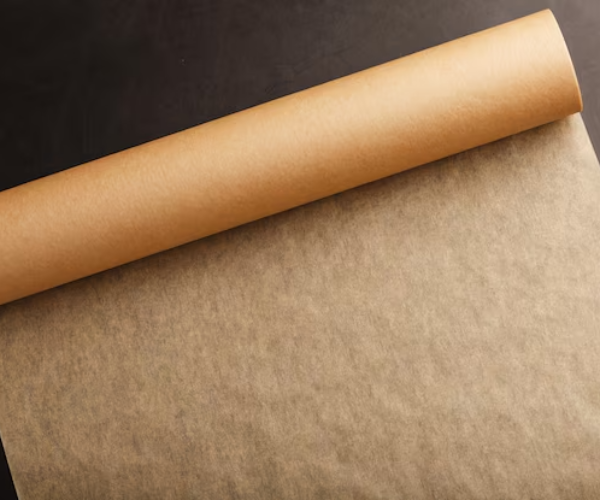
The key reason vegetable parchment paper performs so differently from ordinary paper lies in the chemical transformation of cellulose fibers during parchmentizing.
Parchmentizing dramatically changes the behavior of paper because sulfuric acid modifies the outer layer of the cellulose fibers. Within a few minutes of immersion, the fiber surface swells and partially hydrolyzes, forming a gel-like coating. During washing and drying, this coating re-solidifies and turns the loose fiber network into a dense, continuous film structure. As pores shrink and fiber bonding increases, the paper’s density, tensile strength, and wet strength all improve.
This transformation gives vegetable parchment paper unique properties that ordinary paper cannot match. It becomes waterproof, grease-resistant, and highly stable in wet conditions. Its porosity and air permeability drop significantly. It develops a soft semi-transparent look, stronger heat resistance, better fold endurance, and even some flame-retardant characteristics. These performance improvements make vegetable parchment paper a key material in the field of high-function specialty papers.
From baking and food packaging to medical and industrial applications, vegetable parchment paper delivers reliability, safety, and high performance. As the demand for eco-friendly and plant-fiber-based packaging continues to grow, the use of vegetable parchment paper will only expand. If you are looking for a safe, durable, and sustainable packaging material, parchment paper is an excellent choice. Contact Golden Paper for samples and pricing.
Is vegetable parchment paper biodegradable?
Yes. Since vegetable parchment paper is manufactured primarily from wood pulp fibers without plastic lamination, many grades are biodegradable under suitable disposal conditions. However, actual biodegradability depends on the product specification and local waste management systems.
Is vegetable parchment paper food safe?
Yes. Vegetable parchment paper is widely used for direct food contact. Many manufacturers produce food-grade parchment paper that complies with FDA, BfR, or EU food-contact regulations.
Can vegetable parchment paper be used for baking?
Yes. Vegetable parchment paper performs well under baking temperatures and provides excellent grease resistance, making it suitable for bakery liners, baking trays, and food preparation.
Is vegetable parchment paper waterproof?
Vegetable parchment paper offers excellent resistance to water and grease because of its dense fiber structure. However, it is not completely waterproof like plastic film and should be selected according to the intended application.
What is the difference between vegetable parchment paper and wax paper?
Wax paper depends on a wax coating to resist moisture and grease, while vegetable parchment paper obtains its performance through chemical parchmentizing. As a result, vegetable parchment paper generally provides better heat resistance and is more suitable for baking and industrial applications.