EN
EN
 fr
fr  de
de  es
es  it
it  ru
ru  pt
pt  ar
ar  vi
vi  tr
tr  id
id 
Phone:
0086 27 688745330086 18049845758
 GOLDEN PAPER
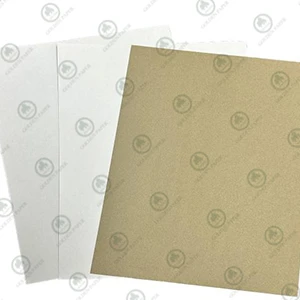
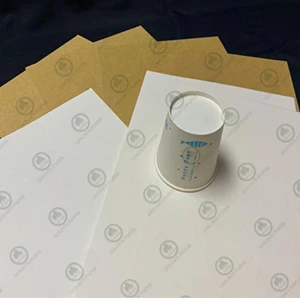
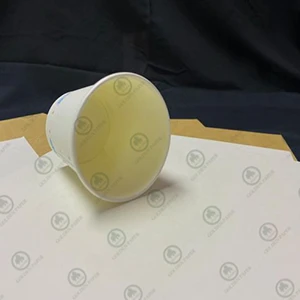

.webp "Digital Transfer Paper/Sublimation Paper")
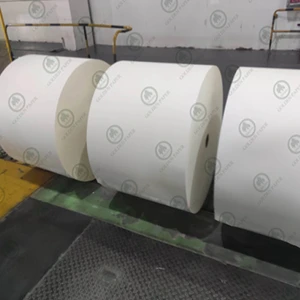



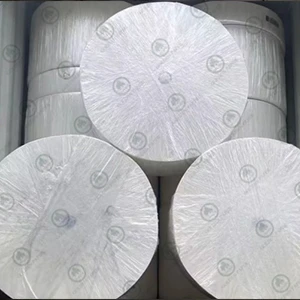

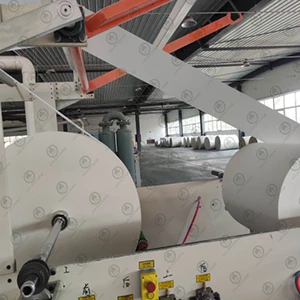
Before you buy paper from a supplier, you need to understand some key specifications—one of the most important is GSM. As a crucial paper parameter, GSM can impact how the paper is processed and used later. Not sure what GSM means? Keep reading. In this article, you’ll learn what GSM is, the common GSM ranges, and how different GSM levels apply to various types of paper.
GSM (grams per square meter) refers to the weight of one square meter of paper. It’s calculated by dividing the weight of the paper by its area. GSM not only affects the thickness and texture of the paper but is also an important indicator of paper quality.
When paper density is consistent, higher GSM usually means thicker and stiffer paper. For example, a 350gsm white card weighs 350 grams per square meter and feels much firmer in hand. Since paper is typically priced by the ton, GSM directly relates to how much paper you get per area—making it a key factor in both purchasing and production planning.
However, be aware that GSM and thickness aren’t always directly related. Special coatings or materials may alter the thickness without changing the GSM.
Different paper types have different GSM ranges, which affect their printing performance.
For example: Standard copy paper used in offices is usually 70gsm, 75gsm, or 80gsm. Colored offset paper (used for flyers or notices) ranges from 70gsm to 300gsm. Thermal paper (for receipts) ranges from 45gsm to 80gsm and is generally lighter.
Packaging paper has higher GSM values:
Folding Box Board (ivory board): 170gsm to 400gsm
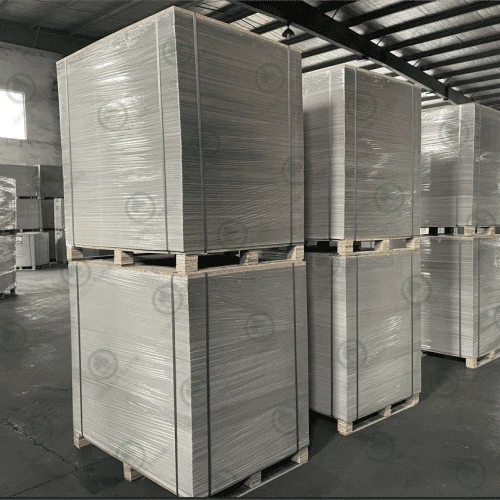
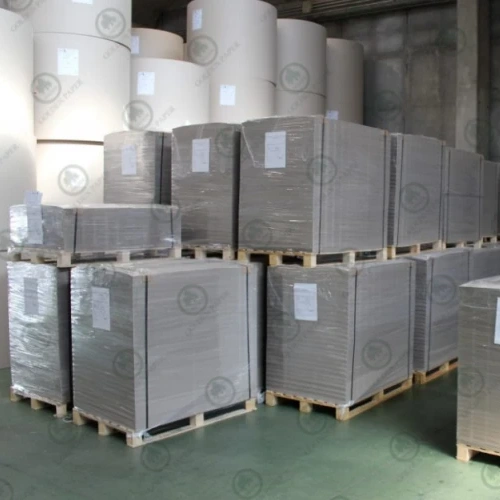
Grey chipboard: up to 2000gsm for heavy-duty use
Printing paper varies too:
C1S (coated one side): 80gsm to 250gsm
C2S (coated both sides): 210gsm to 400gsm
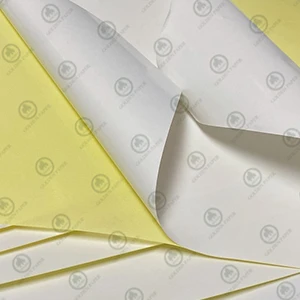
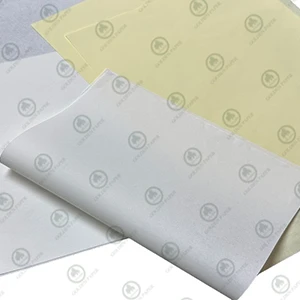
Carbonless paper(NCR paper): 45gsm to 80gsm, to enable duplication.
Understanding these ranges helps you choose the right GSM for packaging paper or printing paper, depending on your needs.
As mentioned, each paper type offers multiple GSM options. But higher GSM doesn’t always mean better. You should pick the GSM that suits your specific application—because even within the same paper type, not every GSM is suitable for all purposes.
For example:
Lower GSM paper is thinner and more lightweight—ideal for printing lightweight publications like Bibles or long-form booklets. Using high-GSM paper for these would make the book bulky and hard to carry.
Medium GSM paper works well for documents that need durability, like business files or certificates.
Higher GSM paper is thicker and more rigid—perfect for business cards, greeting cards, book covers, and luxury packaging. It adds texture and a premium feel to your product.
For packaging applications, the rule is simple: the more delicate or valuable the item, the higher GSM paper you should choose for better protection and presentation.
Now you’ve learned the basics of GSM in paper—from what it means to how different GSM levels work for different applications. If you still have questions, feel free to contact Golden Paper. As a professional paper manufacturer, we offer a wide selection of paper types and GSM weights to meet your needs. Let us know your requirements—we look forward to working with you for a win-win partnership!