EN
EN
 fr
fr  de
de  es
es  it
it  ru
ru  pt
pt  ar
ar  vi
vi  tr
tr  id
id 

Phone:
0086 27 688745330086 18049845758
 GOLDEN PAPER

.webp "Digital Transfer Paper/Sublimation Paper")
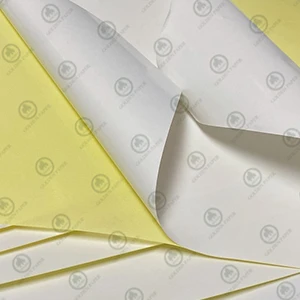
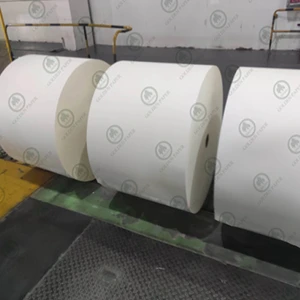

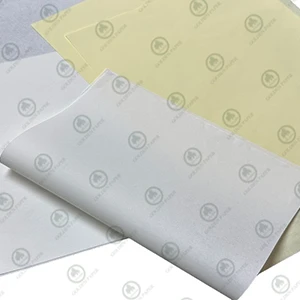

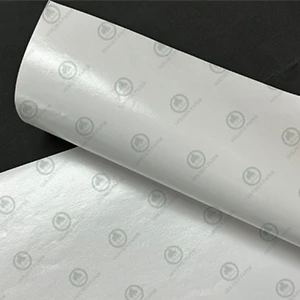

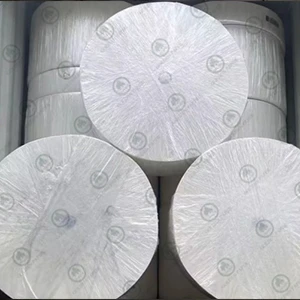

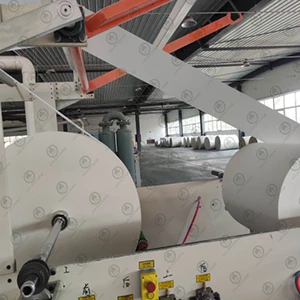
When sourcing paper for book printing, your choice directly affects reading experience, print quality, and overall cost control. Many buyers focus only on price, while overlooking critical factors such as basis weight, brightness, and smoothness. Choosing the right offset paper not only improves book quality but also helps you optimize your total procurement cost.
Selecting the right offset paper for book printing is essentially about matching paper performance with your application. Different types of books require different specifications, so your purchasing decision should be based on a combination of technical factors—not just one single metric.

Basis weight plays a key role in book weight, tactile feel, durability, and shipping cost.
For text-heavy books such as novels, textbooks, and academic publications, 60–80 gsm offset paper is the most cost-effective option. This range is lightweight and easy to handle for long reading sessions, while also reducing overall shipping and storage costs. This advantage becomes especially important in large-volume printing projects.
For books that include more images, charts, or require a more premium feel, 90–120 gsm offset paper is a better choice. It offers higher stiffness, supports more complex printing content, and reduces the risk of page curling or deformation, giving your final product a more professional look.
For covers or high-strength sections, 120 gsm and above is recommended. This improves the overall perceived quality of the book and provides better protection during binding and transportation, especially for hardcover or high-end publications.
Brightness and shade directly impact visual comfort and are often underestimated in purchasing decisions.
In most cases, natural white offset paper (D65 brightness 80%–85%) is the most stable and widely used option. It ensures good readability while avoiding glare, helping reduce eye fatigue during long reading sessions. This is why it is commonly used in bulk book printing.
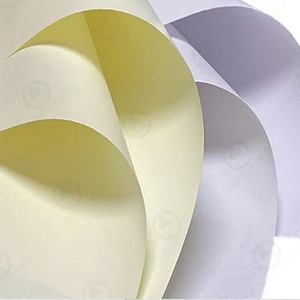
For specific applications such as literary works or premium publications, cream or light grey shades can be used to enhance reading atmosphere and brand positioning. However, sufficient brightness must still be maintained to ensure proper contrast and readability.
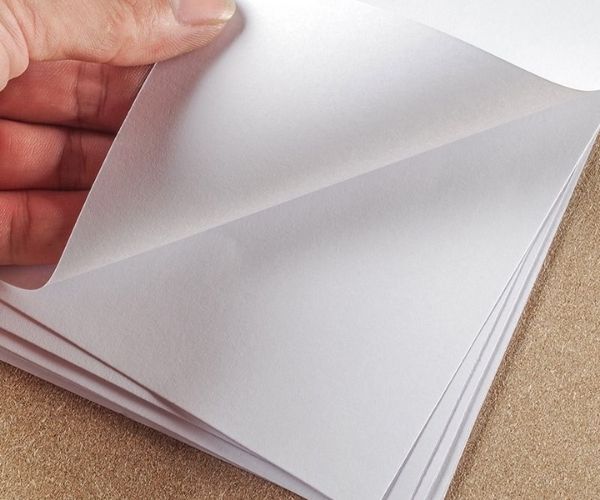
Smoothness and ink absorption determine how ink performs on the paper surface and directly affect print clarity.
It is recommended to choose offset paper with a smoothness of at least 30 seconds (balanced on both sides). This ensures even ink distribution, sharper text edges, and clearer image details. Low smoothness can result in rough printing, feathered edges, or dusting issues.
At the same time, ink absorption should be controlled within a proper range. A water absorption level of 20–45 g/m² is considered ideal. This allows for fast ink drying to improve printing efficiency, while preventing excessive absorption that may cause ink penetration or paper deformation.
Opacity is critical for double-sided printing. If it is too low, text from the back side will show through and affect readability.
For 70 gsm offset paper, an opacity of at least 84% is recommended. As basis weight increases, opacity generally improves. For books with dense text content, choosing high-opacity paper helps ensure clean pages and a better reading experience.
Books go through frequent handling and environmental changes, so physical performance matters.
A cross-direction folding endurance of at least 10 times is recommended to ensure the paper does not crack easily after repeated use. This is especially important for textbooks and reference books.
Additionally, cross-direction stretch should be controlled within 3.5% to minimize deformation caused by humidity changes. This helps maintain stability during printing and binding, avoiding wrinkles or size inconsistencies.
How to Make the Final Choice Based on Your Application
In real procurement scenarios, there is no best offset paper —only the most suitable one for your project.
If your project focuses on large-volume text printing, 60–80 gsm natural white offset paper with high smoothness offers the best balance between readability and cost efficiency.
If your books include more images or require better visual presentation, 90–120 gsm offset paper with higher opacity will better meet your needs.
If you aim to enhance product value, especially for covers or premium publications, 120 gsm and above with strong folding performance is the ideal choice.
Choosing the right offset paper means finding the optimal balance between print quality, reading comfort, and cost. By evaluating technical specifications based on your actual application, you can make smarter and more profitable purchasing decisions. Golden Paper specializes in high-quality printing paper supply and provides reliable, cost-effective offset paper solutions tailored to your specific projects—helping you stay competitive in the global market.