EN
EN
 fr
fr  de
de  es
es  it
it  ru
ru  pt
pt  ar
ar  vi
vi  tr
tr  id
id 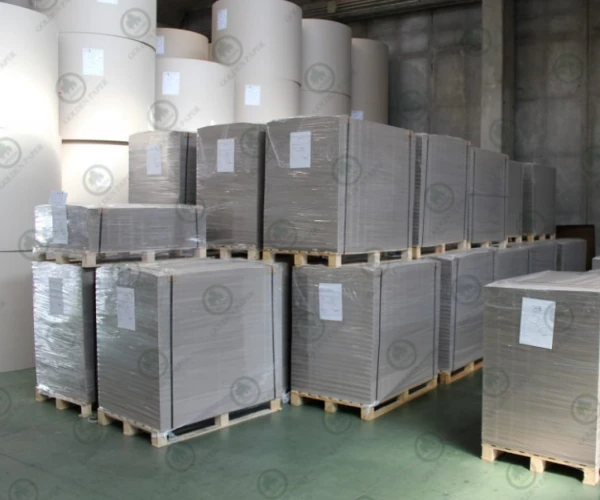
Phone:
0086 27 688745330086 18049845758
 GOLDEN PAPER

.webp "Digital Transfer Paper/Sublimation Paper")
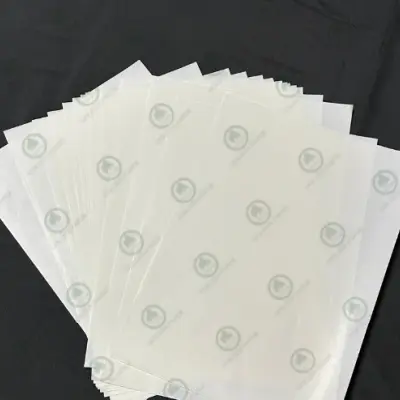
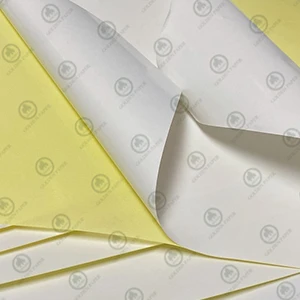
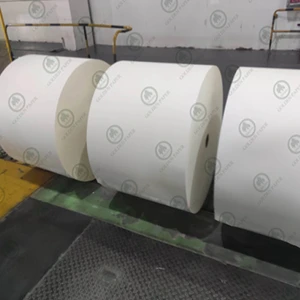

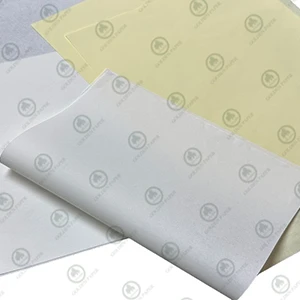


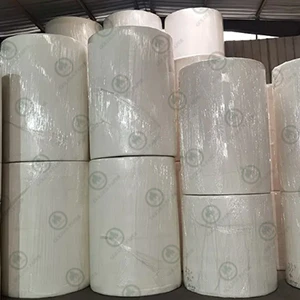
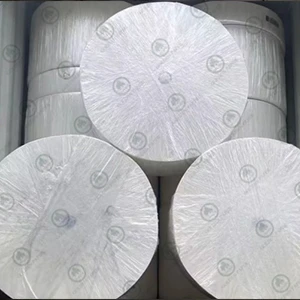

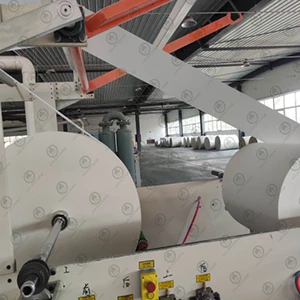
In commercial printing and packaging procurement, choosing the right paper material directly affects print quality, product presentation, and overall cost control. Many buyers hesitate between coated paper and coated board because they look similar but differ significantly in structure, performance, and application. Understanding these differences helps you make smarter purchasing decisions, improve product quality, and reduce production risks.
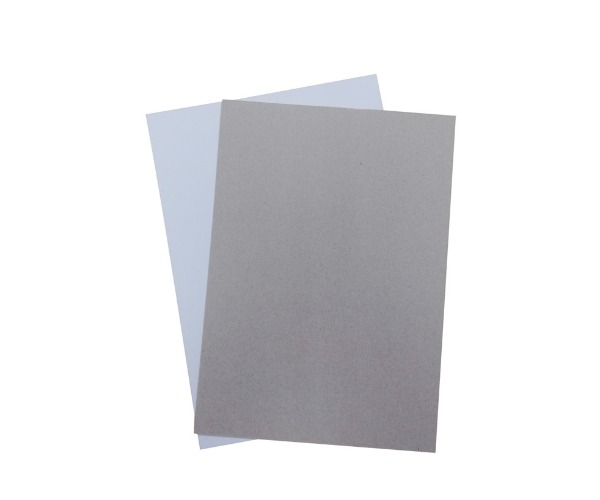
In the printing and packaging industry, both coated paper and coated board are widely used coated materials. Since both feature a white coated surface and deliver good print results, they are often compared during procurement. However, when analyzing their structure, thickness, surface properties, and applications, clear differences in positioning and usage become evident.
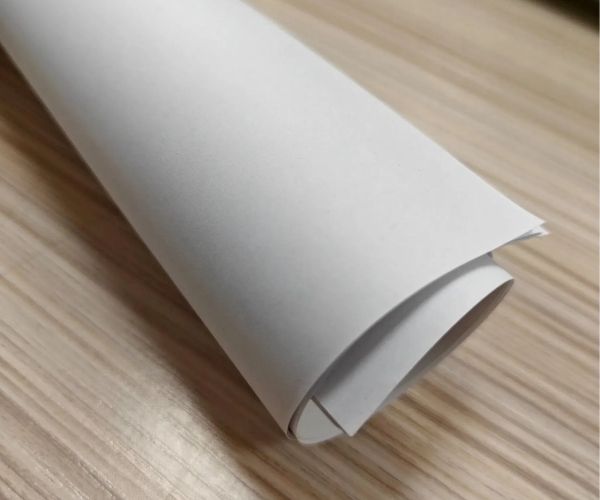
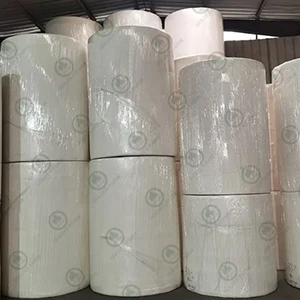
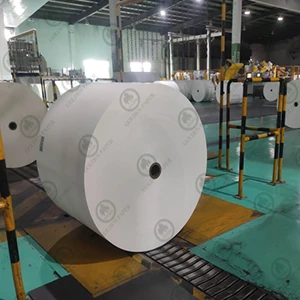
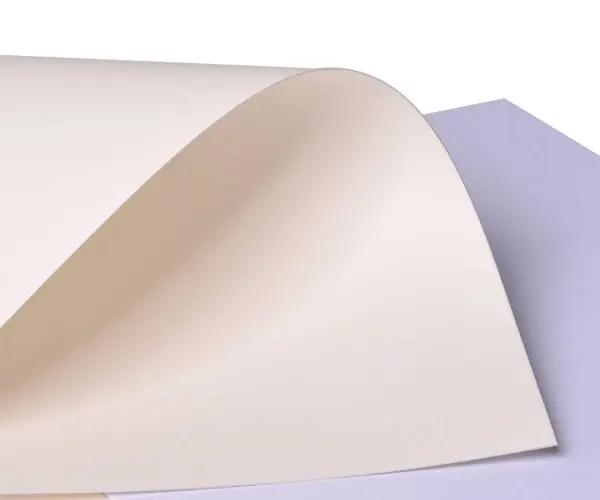
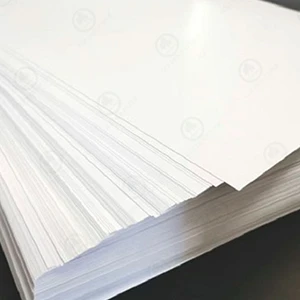
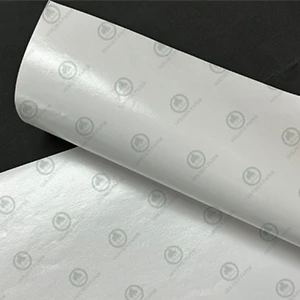
From a structural perspective, coated paper is typically made with a single-layer base. After applying a white pigment coating, the paper undergoes supercalendering to create a very smooth and uniform surface. This one-piece structure results in consistent fiber distribution, allowing stable ink transfer and high-quality printing performance.
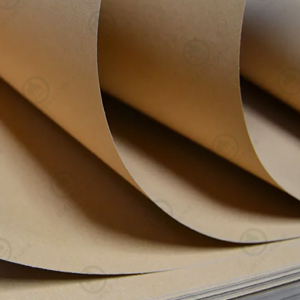
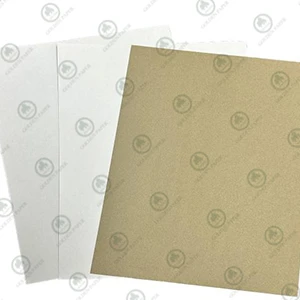
Coated board, however, uses a multi-layer construction. During production, multiple pulp layers are combined to form the base sheet before coating. Many coated board products consist of three or more layers, where the top layer uses higher-quality fibers for better printability, while the middle layers may use lower-cost materials to increase thickness and control cost. This layered structure gives coated board higher stiffness but makes it less uniform compared to coated paper.
There is also a clear difference in thickness and basis weight.
Coated paper typically ranges from 80 GSM to 250 GSM, maintaining a relatively lightweight and flexible profile. Its thickness usually falls between 0.06 mm and 0.465 mm, making it ideal for high-quality printing projects where excessive thickness is not required.
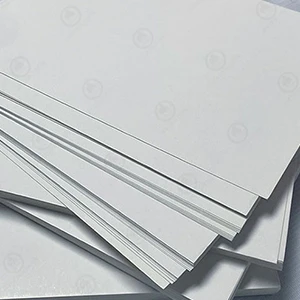
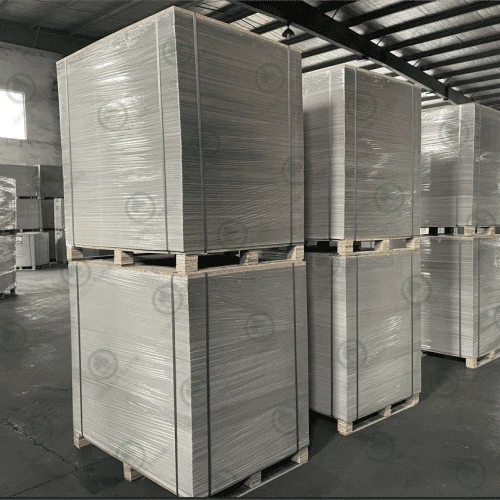
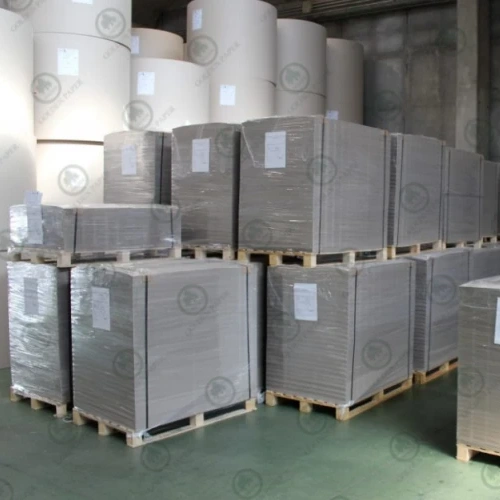
Coated board is significantly thicker, with most products starting from 190 GSM, and common options including 210 GSM, 230 GSM, 250 GSM, and 300 GSM+, with some reaching 350 GSM or higher. Due to its multi-layer structure, thickness generally ranges from 0.27 mm to 0.55 mm, providing stronger rigidity and support, which is essential for packaging applications.
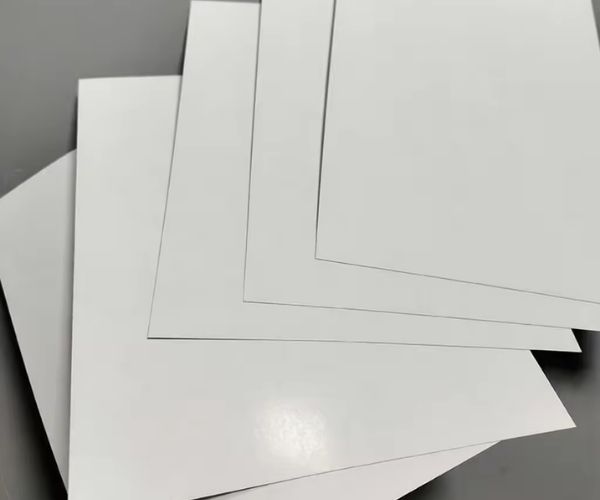
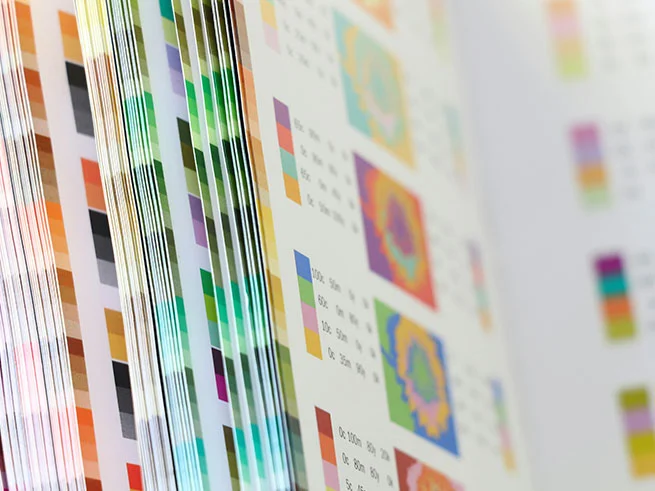
In terms of surface quality, coated paper offers higher smoothness and gloss. Its evenly coated and supercalendered surface creates a refined printing finish. Smoothness can reach 600s to 10,000s, ensuring even ink distribution and sharp image reproduction. With a brightness level typically above 90%, coated paper delivers vivid color performance, making it ideal for high-end printing.
Coated board also has a coated surface, but it is slightly less smooth and glossy. However, this does not significantly impact most printing needs because its primary function is not ultra-fine image detail but structural performance. Its higher thickness and fiber composition provide superior stiffness, which is critical for packaging durability.
From a physical performance perspective, the two materials behave differently.
Coated paper has a more uniform fiber structure, resulting in stable internal bonding strength and good dimensional stability. It maintains flatness during printing, reducing deformation issues. However, under high humidity conditions, some coated paper may experience coating sticking or minor surface defects, so proper storage and environmental control are necessary.
Coated board performs better in stiffness. Its thicker, multi-layer structure allows it to withstand higher mechanical stress, which is especially important during die-cutting, creasing, and folding processes. However, the layered construction may result in weaker internal bonding, and improper processing can lead to delamination. Additionally, its dimensional stability is slightly lower due to its non-uniform fiber structure.
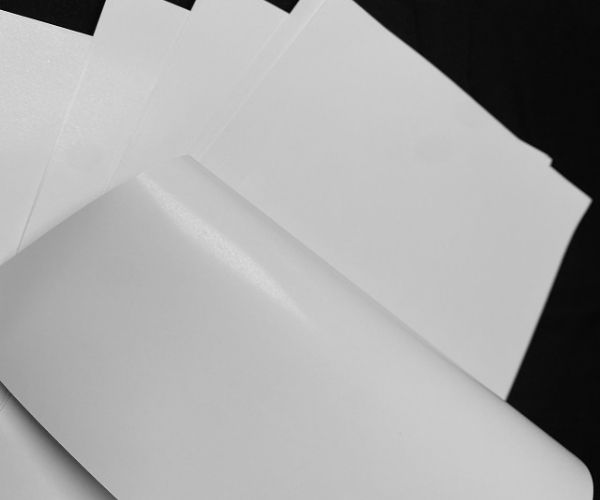
Coated paper is mainly used for high-quality commercial printing applications. It is widely applied in magazines, brochures, catalogs, book covers, and advertising materials, where fine image detail and color reproduction are critical. When your goal is to showcase brand image or promote products visually, coated paper is often the preferred choice.
Coated board is more commonly used in packaging and structural print products. Applications include packaging boxes, product covers, hang tags, and business cards, where thickness and rigidity are required for durability and support. In many packaging designs, coated board offers a balance between print quality and structural strength, making it a reliable choice for packaging solutions.
From a procurement perspective, the choice depends on your core needs. If your priority is high-resolution printing and color performance, coated paper is the better option. If your product requires strength, rigidity, or post-processing like die-cutting and folding, coated board is more suitable.
Although both coated paper and coated board belong to coated materials, they differ significantly in structure, thickness, print performance, and applications. Understanding these differences allows you to make more informed purchasing decisions, improve product quality, and optimize production efficiency. If you are looking for reliable printing paper or packaging board, contact Golden Paper to get samples and customized solutions.