EN
EN
 fr
fr  de
de  es
es  it
it  ru
ru  pt
pt  ar
ar  vi
vi  tr
tr  id
id 

Phone:
0086 27 688745330086 18049845758
 GOLDEN PAPER




.webp "Digital Transfer Paper/Sublimation Paper")





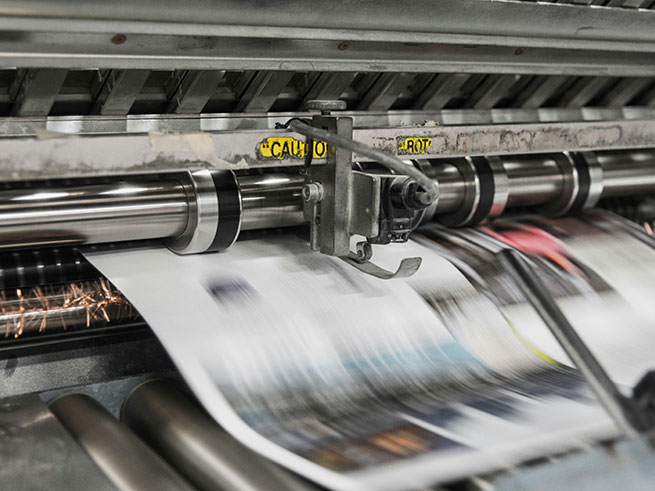
The global printing paper industry is entering a critical phase of transformation. As digital reading and paperless offices become increasingly common, demand for traditional printing papers such as newsprint and copy paper continues to decline, slowing overall market growth. At the same time, stricter environmental regulations and rising sustainability awareness are shifting paper's role—from an information carrier to a functional, eco-friendly packaging material.
The EU's Packaging and Packaging Waste Regulation (PPWR) has introduced higher requirements for recyclability and circular design, creating new opportunities for paper-based materials. However, challenges remain significant. Paper naturally has limited barrier properties. To replace plastic in food and high-performance packaging applications, it must achieve improved resistance to moisture, grease, and oxygen. Developing high-barrier, environmentally friendly coatings requires advanced technology and careful cost management.
Meanwhile, the paper replacing plastic movement is gaining real momentum. Demand for recyclable and biodegradable paper packaging is expanding across food delivery, premium consumer goods, and specialty packaging segments. Industry collaboration is also accelerating. For example, Solenis and Heidelberger Druckmaschinen are working on integrating advanced barrier coatings with printing technologies to improve efficiency while reducing overall production costs.
Against this backdrop, Golden Paper continues to optimize its product portfolio and invest in high-performance packaging paper and specialty grades. By aligning with regulatory trends and evolving application needs, we aim to provide global printing and packaging customers with competitive, sustainable paper-based solutions supported by a stable supply chain and consistent quality control.
Although the traditional cultural paper segment is shrinking, environmentally advanced paper-based packaging is emerging as a new growth engine. For companies equipped with technical integration capabilities and a long-term sustainability strategy, this transformation represents not just a challenge—but the beginning of the next development cycle.