EN
EN
 fr
fr  de
de  es
es  it
it  ru
ru  pt
pt  ar
ar  vi
vi  tr
tr  id
id 
Phone:
0086 27 688745330086 18049845758
 GOLDEN PAPER

.webp "Digital Transfer Paper/Sublimation Paper")





Many companies face the same problem after receiving customized packaging: the boxes look strong when they leave the factory, but they become deformed, soft, or even collapse after transportation, stacking, or storage.
When this happens, the first reaction is often to assume that the supplier used lower-quality materials. However, the strength of a corrugated box is not determined only by paper thickness.
A reliable corrugated box requires proper coordination between the paper structure, box design, and actual application. Even using heavier paper may not solve the problem if the overall packaging design is not suitable.
This article explains why corrugated boxes lose strength and how you can improve corrugated box strength by making better decisions during the packaging design process.
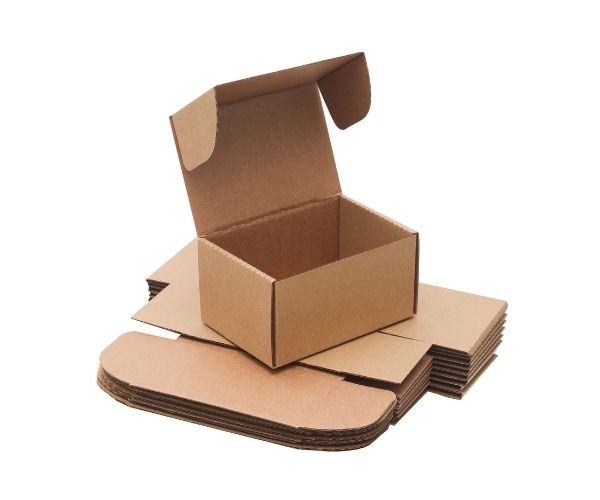
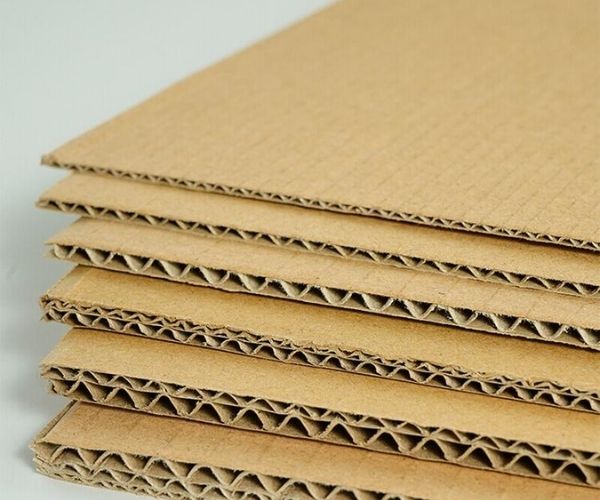
Corrugated board, also known as corrugated paperboard, is a packaging material made by bonding corrugated medium between one or more layers of liner paper.
Unlike ordinary paperboard, corrugated board contains a wave-shaped inner layer. This unique structure is inspired by the arch principle used in architecture. The curved shape helps distribute external pressure and allows the material to achieve higher strength while maintaining a lightweight structure.
Because of this design, corrugated board provides excellent protection during transportation. It can absorb impacts, resist compression, and maintain structural stability, making it widely used for shipping cartons, food packaging, electronic products, and industrial packaging.
Depending on the structure, corrugated board can generally be divided into three main types.
Single wall corrugated board is made with one fluted medium placed between two liner papers. It is commonly used for lightweight products and general shipping applications.
Double wall corrugated board contains two fluted layers and three liner papers. Compared with single wall board, it offers better compression resistance and is often selected for heavier products or long-distance export shipments.
Triple wall corrugated board includes three fluted layers with four liner papers. It is designed for heavy-duty applications where stronger load-bearing performance is required.
However, the strength of a corrugated box is not simply determined by the number of layers. The paper quality, structure, and design method all influence the final performance.
When a carton feels too soft, many buyers believe that increasing the outer paper thickness will make it stronger. In reality, this approach does not always work.
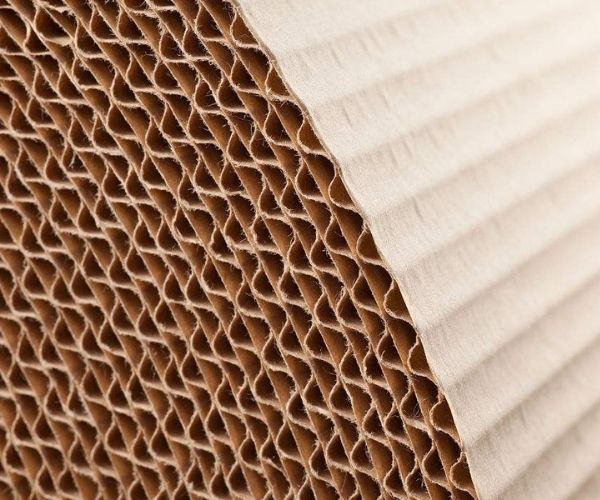
The fluting paper inside corrugated board plays a major role in supporting the box. It creates the internal structure that helps the carton resist pressure and maintain its shape.
If the fluting material lacks enough strength, adding thicker liner paper may only increase the weight without significantly improving the box’s performance.
When choosing corrugated packaging materials, it is important to consider how the board will be used. A box designed for long-distance export shipping requires different strength compared with a package used only for local delivery.
The right flute type also matters. Larger flutes can provide better cushioning for products that need impact protection, while smaller flutes can improve surface quality and support better printing results.
For businesses looking for stronger shipping cartons, selecting the appropriate corrugated board structure is usually more effective than simply using heavier paper.
The size and proportion of a corrugated box can directly affect its ability to withstand pressure.
Many people assume that a thicker carton will automatically perform better. However, the way pressure is distributed across the box structure is equally important.
The four corners of a corrugated box are usually the strongest areas because they provide vertical support. When the box shape is too long, too wide, or poorly balanced, the areas away from the corners become more vulnerable to deformation.
In practical packaging design, a length-to-width ratio close to 1.4:1 often provides good compression performance. If transportation efficiency and storage requirements are also considered, a ratio around 1.5:1 can offer a better balance.
For common logistics packaging, keeping the carton size within a reasonable range also improves handling efficiency. For products under 20 kg, a box length below 70 cm and a width below 40 cm can help maintain more even stress distribution.
A well-designed carton size not only improves strength but also reduces unnecessary material consumption.
There is no universal corrugated box design that works for every product.
Different box structures handle pressure in different ways. The right choice depends on the product weight, transportation conditions, and the purpose of the packaging.
For products that need strong protection during shipping, a double cover box can provide additional support on the top surface. This design is often suitable for heavier products or items with higher value.
For products that require both protection and a better presentation effect, a roof-style box uses a folded top structure to improve appearance while maintaining reasonable strength.
A corrugated handle box combines carrying convenience with structural support. It is often used for gift packaging or products that need to be moved manually.
An auto-lock bottom box offers simple assembly and efficient production, making it suitable for lightweight and medium-weight products.
Instead of choosing a standard carton for every application, companies should design packaging according to how the product will be handled and transported.
The direction of the flutes inside corrugated board has a significant impact on packaging performance.
The fluted layer works like a group of small supporting columns. When the flute direction matches the direction of the pressure, the board can provide stronger support.
In most cases, corrugated board has higher vertical strength than horizontal strength.
For regular shipping cartons, the flute direction should usually be placed vertically. This allows the internal structure to better support stacking pressure and reduces the chance of the carton being crushed during storage.
For tray-style packaging, adjusting the flute direction according to the box shape can help improve stability.
Some cartons appear strong immediately after production but gradually collapse after being stacked for a period of time. Incorrect flute direction is one possible reason behind this issue.
The strength of a corrugated box does not only depend on the carton itself. The way products are arranged inside the package also affects the final result.
Different products have different load-bearing abilities. For example, glass bottles, ceramic products, plastic containers, and metal parts usually handle pressure better along their vertical axis than from the side.
For these products, placing them upright can help reduce stress on the carton walls. The product itself can share part of the external pressure, while the packaging provides additional protection.
Proper internal support is also important. Dividers, cushioning materials, and fixing structures can prevent products from moving during transportation and reduce the risk of local deformation.
A good packaging solution considers both the carton and the product inside it.
A strong corrugated box is not achieved by simply adding more paper. The right material and structure should match the product and shipping conditions. By improving packaging design, businesses can reduce transportation damage, control costs, and ensure more reliable protection throughout the supply chain. Welcome to contact Golden Paper for more information!