EN
EN
 fr
fr  de
de  es
es  it
it  ru
ru  pt
pt  ar
ar  vi
vi  tr
tr  id
id 
.webp "Digital Transfer Paper/Sublimation Paper")
.webp "What is GSM in Paper")
Phone:
0086 27 688745330086 18049845758
 GOLDEN PAPER

.webp "Digital Transfer Paper/Sublimation Paper")





For toilet paper manufacturers, softness, strength, and absorbency are key factors that determine product quality. Among these factors, dusting has always been a common concern.
Toilet paper dusting refers to the release of small fibers, paper particles, or powder from the paper surface during use. This issue can be related to raw material selection, fiber composition, and manufacturing processes. Reducing dusting requires a proper balance between softness and fiber bonding strength.
Keep reading to learn more about what causes toilet paper dusting and how paper quality can be improved.
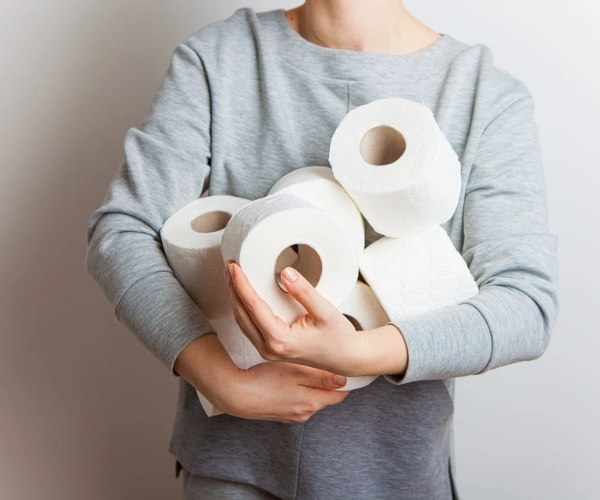
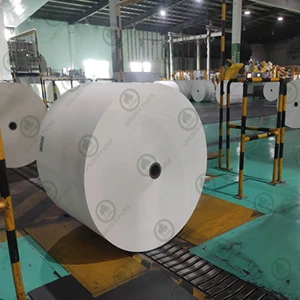
Toilet paper is mainly made from wood pulp fibers, and different fiber types directly affect paper performance.
During the papermaking process, long fibers provide stronger bonding, helping the paper achieve better wet strength and surface strength. Short fibers, on the other hand, can improve softness and create a smoother touch. However, when the proportion of short fibers is too high, the bonding between fibers may become weaker.
When the paper surface experiences friction, loosely bonded short fibers can easily separate from the sheet and become visible paper dust.
Therefore, producing high-quality toilet paper is not simply about using shorter fibers. Manufacturers need to adjust the ratio of long and short fibers based on product requirements. Premium tissue products usually optimize fiber composition to achieve both softness and low dusting performance.
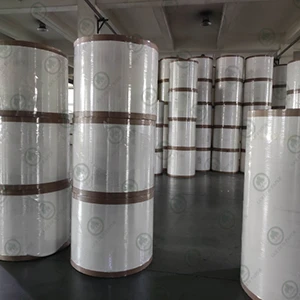
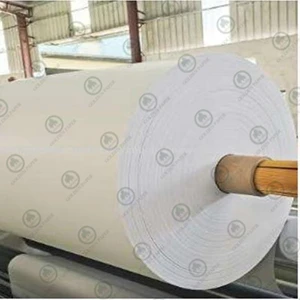
The quality of toilet paper base tissue largely depends on the type of pulp used. Toilet paper made from 100% virgin wood pulp usually has more stable fiber length and purity. Since virgin fibers have not been recycled multiple times, they maintain a stronger structure and can create a more stable fiber network during papermaking. As a result, the paper surface is more durable and less likely to produce dust.
In comparison, some low-cost products may use lower-quality recycled pulp. After repeated processing, recycled fibers become shorter and lose bonding strength, which can reduce paper surface strength.
For toilet paper manufacturers, choosing a reliable tissue paper supplier and stable pulp source is an important foundation for controlling dusting issues.
Some low-quality toilet paper products may add non-fiber fillers to reduce production costs or improve whiteness and softness.
For example, some products have used fillers such as talc. Since these materials cannot bond with fibers as strongly as natural pulp fibers, they can easily detach from the paper surface when the sheet is rubbed, creating a dust-like effect.
High-quality tissue paper production focuses more on the performance of fiber raw materials instead of relying on large amounts of fillers to improve appearance.
This is also why toilet paper products that look similar in color and feel can provide very different experiences during actual use.
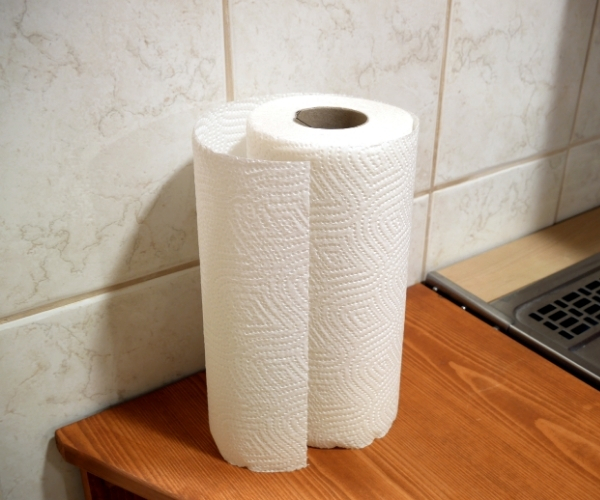
Besides raw materials, the papermaking process also plays an important role in determining paper surface quality.
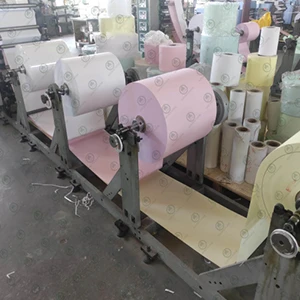
During toilet paper production, pulp goes through several stages, including refining, forming, pressing, drying, and creping. If process control is not stable, problems such as weak fiber bonding, excessive drying speed, or unstable equipment operation may reduce paper surface strength.
Especially in tissue manufacturing, the creping process has a major impact on softness and bulk. If creping parameters are not properly controlled, the paper may become softer, but surface fibers may also become easier to loosen.
Therefore, high-quality tissue production requires a balance between softness, strength, and surface integrity instead of focusing on only one performance factor.
From a papermaking perspective, toilet paper cannot completely avoid fiber release. Because toilet paper needs to provide a soft and comfortable feel, a small amount of fiber loss caused by friction during use is considered normal. For toilet paper made from high-quality virgin pulp, these small fibers generally do not cause noticeable problems.
Users may occasionally notice small paper particles remaining on the skin, but this usually does not affect normal use.
If toilet paper releases a large amount of powder, manufacturers should pay attention to the raw materials and production process.
When paper contains too many loosely bonded fibers or non-fiber fillers, the released particles may increase potential skin contact risks. This is especially important for children, sensitive users, or people who have frequent contact with tissue products.
Therefore, for toilet paper manufacturers and buyers, controlling dusting is not only related to consumer experience but also connected to product quality and brand reputation.
High-quality toilet paper usually has a uniform and smooth surface structure with stable fiber distribution.
A simple test is to gently rub the paper surface. If a large amount of powder or visible paper debris appears, it may indicate insufficient surface bonding strength.
However, dusting should not be the only quality evaluation factor. Paper strength, softness, absorbency, and other performance indicators should also be considered together.
For toilet paper converters, purchasing decisions should not only focus on price. More importantly, they should consider the supplier’s raw material system and manufacturing capabilities.
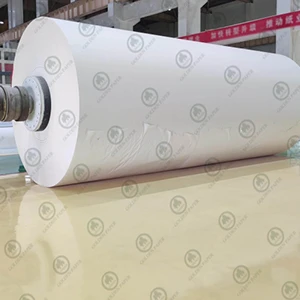
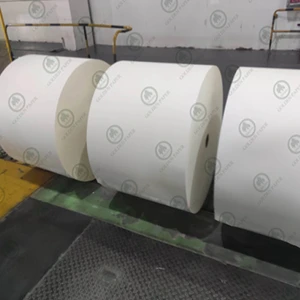
Toilet paper base tissue produced with high-quality pulp, stable production equipment, and mature manufacturing technology can help converters reduce dusting risks and improve the competitiveness of their final products.
Today, more tissue brands are paying greater attention to product safety and sustainability. Virgin fibers, traceable pulp sources, and manufacturing systems that meet international standards are becoming important factors in tissue paper sourcing.
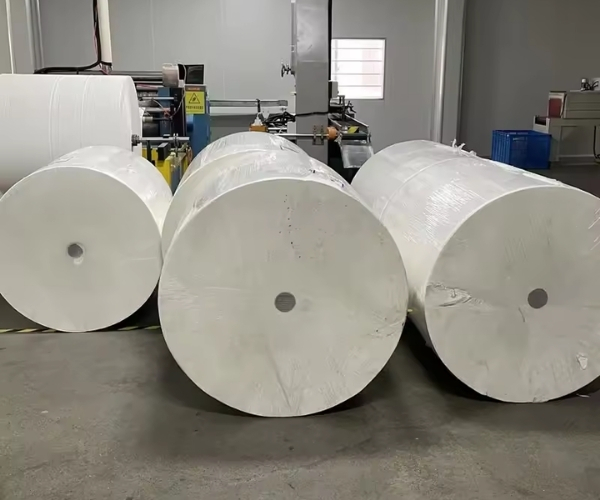
Toilet paper dusting is influenced by multiple factors, including raw materials, fiber structure, and manufacturing processes. High-quality tissue paper raw materials need to provide not only softness but also strength and surface stability.
By selecting premium pulp materials and optimizing production technology, manufacturers can effectively reduce dusting and improve the final product experience.
With more than 20 years of papermaking experience, Golden Paper provides stable and reliable tissue paper raw materials for global customers. Contact us today to get a quotation and samples.