EN
EN
 fr
fr  de
de  es
es  it
it  ru
ru  pt
pt  ar
ar  vi
vi  tr
tr  id
id 
Phone:
0086 27 688745330086 18049845758
 GOLDEN PAPER

.webp "Digital Transfer Paper/Sublimation Paper")
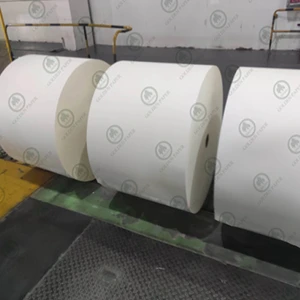



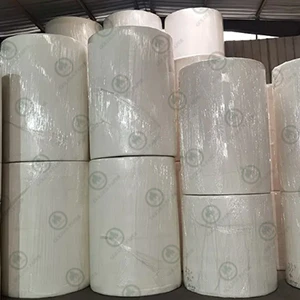
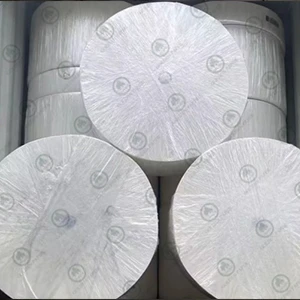

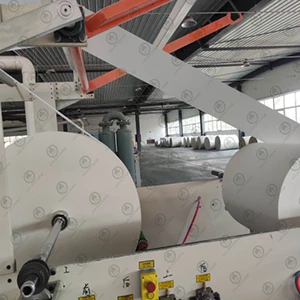
Kraft paper is one of the most commonly used packaging papers, but its applications go far beyond basic packaging. With proper processing, kraft paper can be transformed into MG Kraft Paper, a material that combines natural fiber strength with a smooth glazed surface. If you are looking for reliable food packaging paper, MG Kraft Paper is worth understanding. Let’s take a closer look at what MG Kraft Paper is and why it is widely used in food packaging.
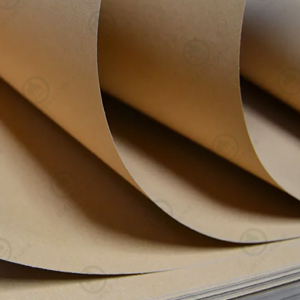
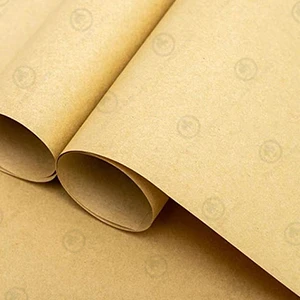
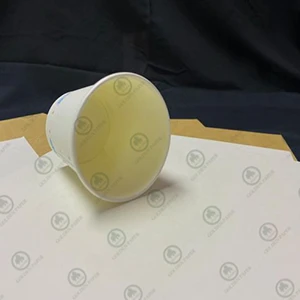
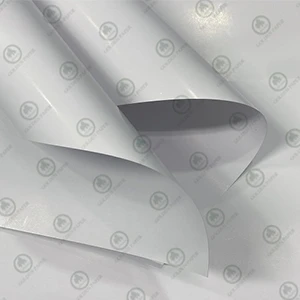
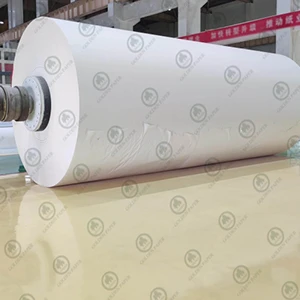
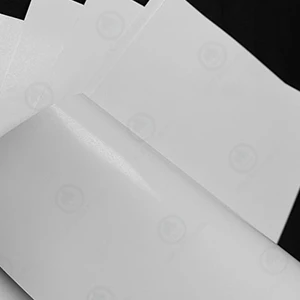
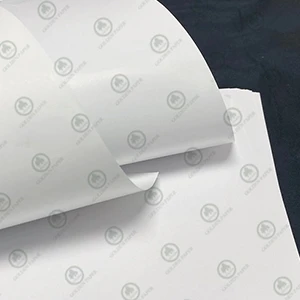
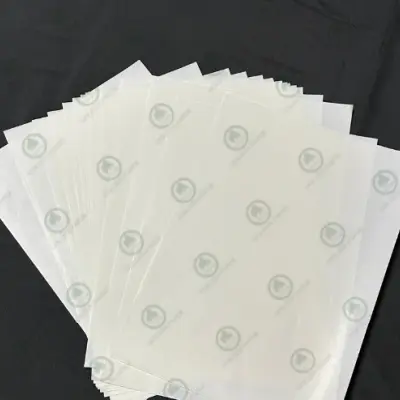
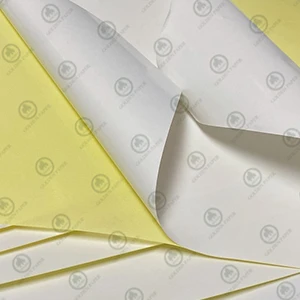
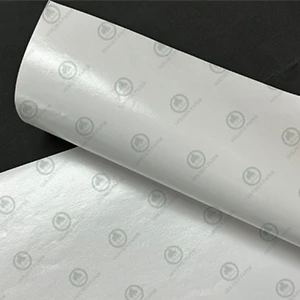
MG Kraft Paper, also known as Machine Glazed Kraft Paper, is a type of kraft paper that obtains a high-gloss surface on one side through a special drying cylinder process.
During production, one side of the paper comes into contact with a highly polished drying cylinder. Under the combined effect of heat and pressure, the surface fibers become more compact, creating a smoother surface with improved gloss. Meanwhile, the other side keeps the natural texture and friction properties of kraft paper.
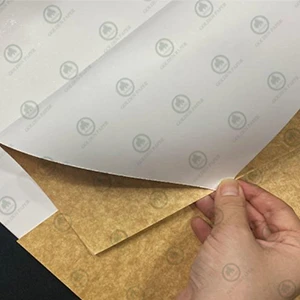
This unique structure, with one smooth glazed side and one natural-textured side, is the key difference between MG Kraft Paper and regular kraft paper.
The smooth side improves printing performance, allowing graphics, brand information, and product labels to appear clearer. For food packaging that requires strong visual presentation, the MG process helps create a more attractive final package.
At the same time, the less-finished side maintains good fiber structure and surface friction, which supports more stable converting processes such as folding, gluing, and bag making.
Compared with MF Kraft Paper (Machine Finished Kraft Paper), MG Kraft Paper does not focus on making both sides equally smooth. Instead, it allows each side to serve a different purpose while maintaining the overall strength of the paper. This is one of the main reasons why MG Kraft Paper has been widely used in food packaging applications.
During food packaging production, paper needs to go through multiple processes, including printing, cutting, folding, and bag forming. Each stage requires the paper to maintain stable performance.
One of the main advantages of MG Kraft Paper comes from its fiber structure. Kraft paper made from 100% virgin wood pulp contains longer fibers, which create a stronger and more stable fiber network. This structure improves tensile strength and tear resistance, helping reduce the risk of breakage during processing.
For food bag manufacturers, paper strength is especially important. After filling, packaging bags need to support the weight of the products and withstand pulling forces during transportation. If the paper lacks sufficient strength, the package may be damaged even if the design looks attractive, affecting the final user experience.
In addition to strength, the single-side glazed surface of MG Kraft Paper provides better printing performance. Food brands often rely on packaging to communicate important information, including brand identity, product details, and visual designs. A smoother surface allows ink to spread more evenly, improving the overall printing quality.
Furthermore, the natural fiber characteristics of kraft paper provide good converting performance. During bag production, the paper needs to go through cutting, folding, and gluing processes. Stable paper performance helps packaging manufacturers improve production efficiency and reduce material waste.
The common grammage range of MG Kraft Paper is from 21 to 120 g/m². Different grammages provide different levels of strength and are suitable for different applications.
When selecting grammage, thicker paper is not always the better option. A higher grammage increases material costs and may affect packaging flexibility. On the other hand, paper with insufficient grammage may not provide enough strength for the intended application.
Therefore, buyers should evaluate the product weight, packaging design, and converting process before choosing the right MG Kraft Paper grade.
21–40 g/m²: For Lightweight Packaging Applications
MG Kraft Paper in the 21–40 g/m² range is commonly used for packaging applications where flexibility is important.
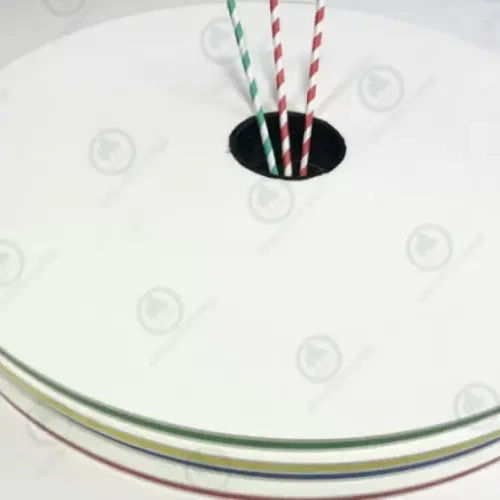
This lightweight paper still provides good tear resistance, making it suitable for straw paper packaging, food inner packaging, and other lightweight wrapping applications.
For example, straw paper production requires the material to be rolled into a narrow structure through continuous processing. If the paper is too fragile, it may break during high-speed production. MG Kraft Paper with good fiber strength can better support this type of converting process.
For food inner packaging, lightweight MG Kraft Paper can also provide basic protection while helping manufacturers control material costs.
50–80 g/m²: A Common Choice for Food Packaging Bags
The 50–80 g/m² range is one of the most widely used specifications in food packaging applications.
MG Kraft Paper in this range provides a good balance between strength and cost efficiency. It can meet the requirements of many lightweight food bags while maintaining good folding performance and printing quality.
Many food packaging manufacturers use this grammage range for applications such as bread bags, coffee packaging, tea packaging, and snack packaging.
For companies producing packaging in large volumes, this range helps maintain packaging quality while keeping raw material costs under control.
90–120 g/m²: For Higher Load-Bearing Packaging
When packaging needs to carry heavier products, higher grammage MG Kraft Paper provides stronger structural support.
The 90–120 g/m² range offers higher stiffness and tear resistance, making it suitable for food packaging applications that require greater durability. For example, heavier food bags, handled bags, and other load-bearing packaging often require this type of material.
During actual use, stress is usually concentrated around areas such as the bottom of the bag, folding points, and handle attachment areas. If the paper strength is insufficient, these areas may tear more easily. Higher grammage kraft paper helps improve the reliability of finished packaging.
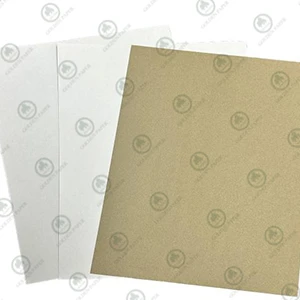
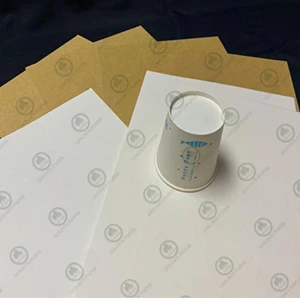
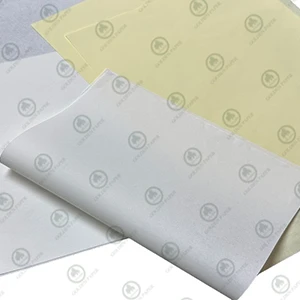
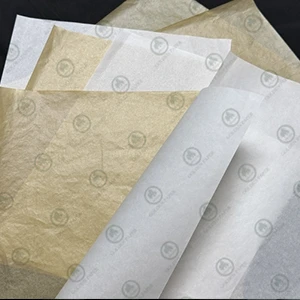
MG Kraft Paper is generally available in two main color options: white and natural kraft.
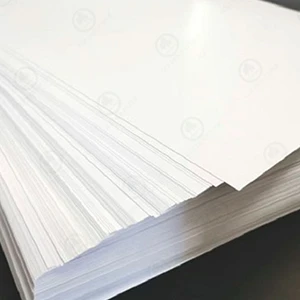
White MG Kraft Paper is more suitable for packaging products that require stronger visual presentation. Because of its brighter background, it usually provides better color reproduction during printing, helping brands create clearer and more attractive packaging designs.
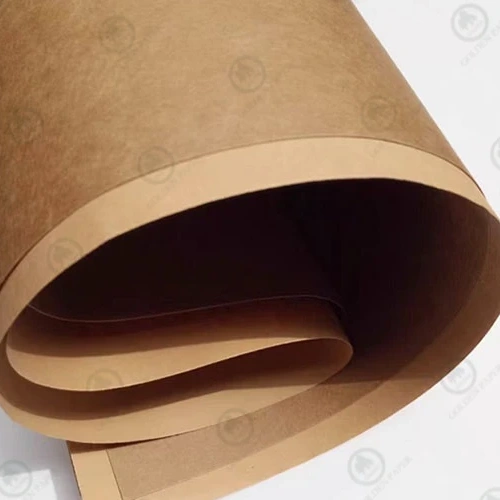
Natural MG Kraft Paper keeps the original color of wood fibers, creating a natural and environmentally friendly appearance. In recent years, more food brands have used packaging to communicate natural, simple, and sustainable values, which has increased demand for natural kraft paper.
There is no absolute difference in performance between the two colors. The final choice mainly depends on brand positioning, printing requirements, and market preferences.
For imported paper buyers, focusing only on grammage is not enough. Stable product quality needs to be evaluated from multiple aspects.
First, buyers should confirm the raw material source. Kraft paper produced from 100% virgin wood pulp generally provides more stable fiber performance and helps reduce quality variations between different production batches.
Second, tensile strength and tear resistance should be carefully considered. These two properties directly affect the reliability of packaging bags during production and final use.
Surface smoothness and gloss are also important indicators of MG Kraft Paper. Since the main feature of MG paper is its glazed surface, consistent surface quality is essential for achieving stable printing results.
For food packaging applications, buyers also need to confirm food contact safety requirements. Different markets have different regulations for food packaging materials, so purchasers should check the required documents and certifications based on their target market, such as FDA food contact requirements, BRCGS-related requirements, and FSC certification.
With its single-side glazed surface, high fiber strength, and excellent converting performance, MG Kraft Paper has become an important material choice for food packaging applications. If you are looking for MG Kraft Paper for food packaging, straw packaging, or paper bag production, contact Golden Paper to get product specifications, samples, and professional recommendations.