EN
EN
 fr
fr  de
de  es
es  it
it  ru
ru  pt
pt  ar
ar  vi
vi  tr
tr  id
id 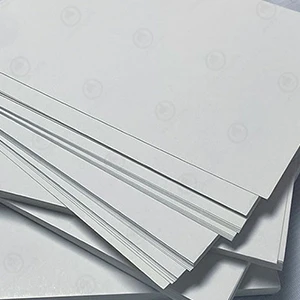


Phone:
0086 27 688745330086 18049845758
 GOLDEN PAPER



.webp "Digital Transfer Paper/Sublimation Paper")

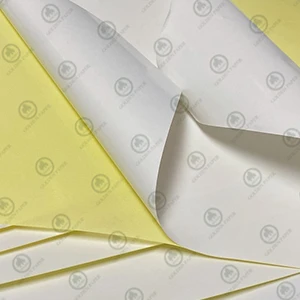
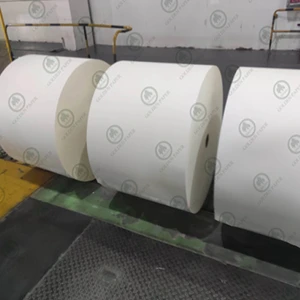

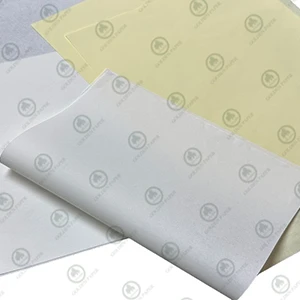

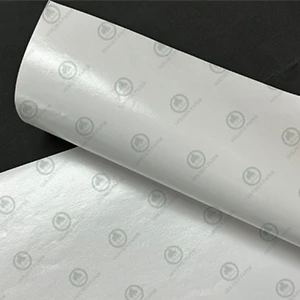



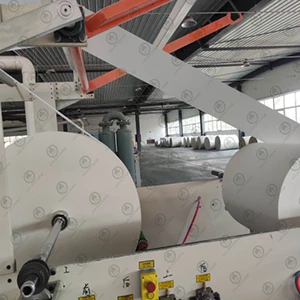
In the packaging, printing, and paper products industries, kraft paper and white kraft paper are two materials that are frequently mentioned—and often confused. At first glance, the main difference may seem to be color. However, in real-world applications, there are clear differences in raw materials, manufacturing processes, performance characteristics, and end uses.
If you are making decisions related to packaging materials, print quality, or cost control, understanding the differences between white kraft paper and kraft paper can help you avoid costly mistakes.
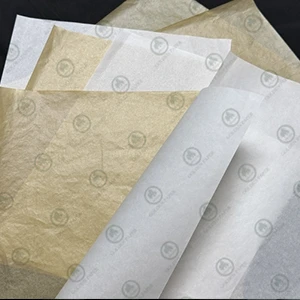
The most visible difference between white kraft paper and kraft paper lies in color and surface appearance.
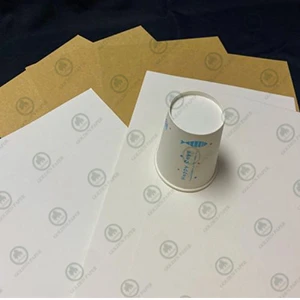
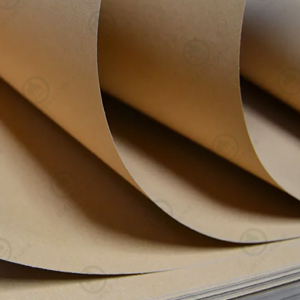
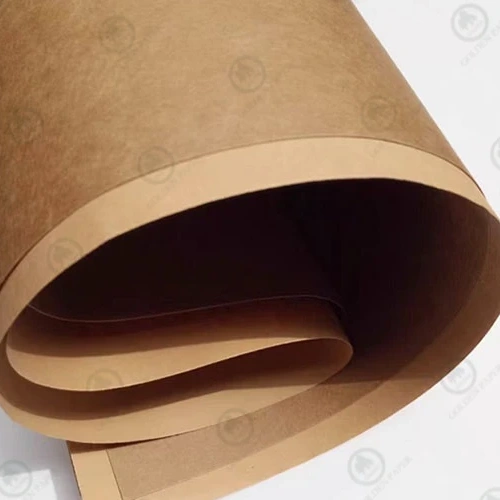
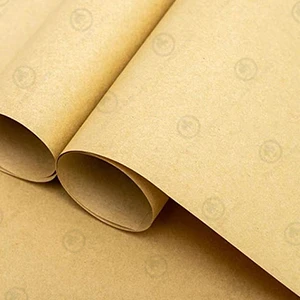
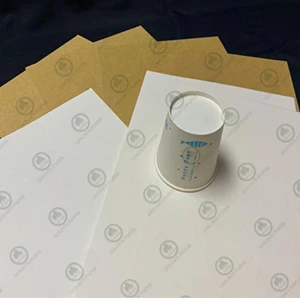
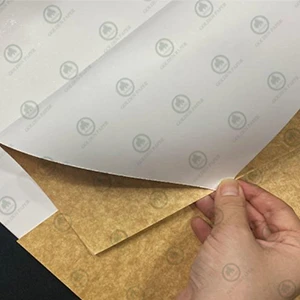
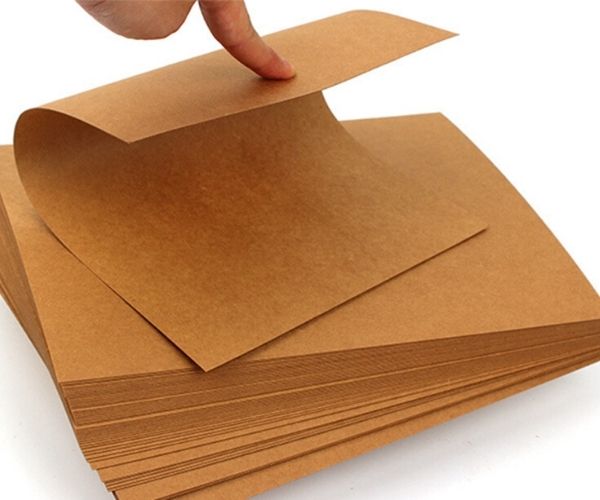
Kraft paper typically appears yellowish-brown or natural brown, reflecting the original color of the wood pulp. Its surface has a more natural texture with visible fibers, giving it an organic and industrial look. This appearance is not intended to look refined; instead, it emphasizes strength, reliability, and durability.
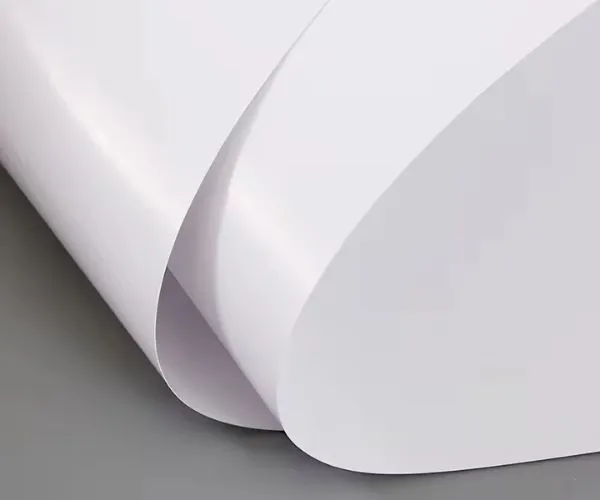
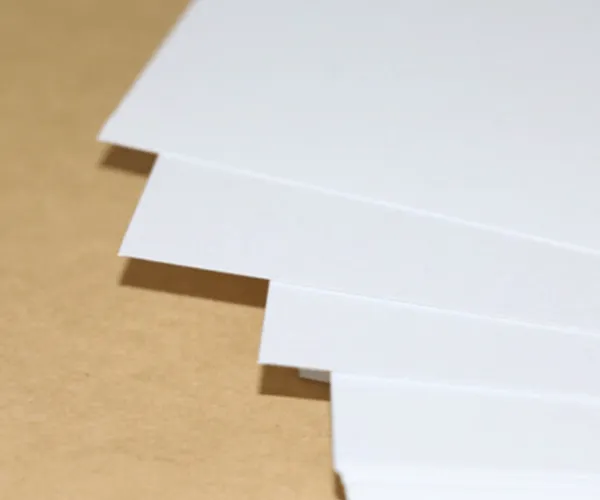
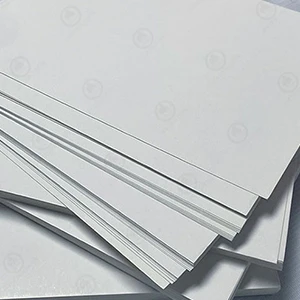
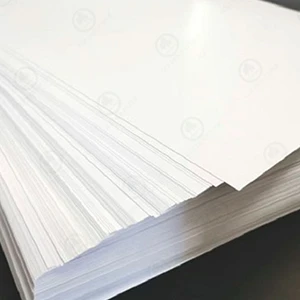
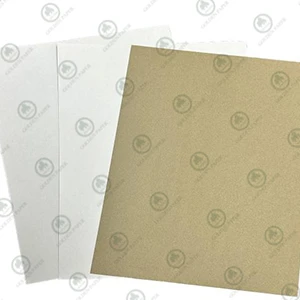
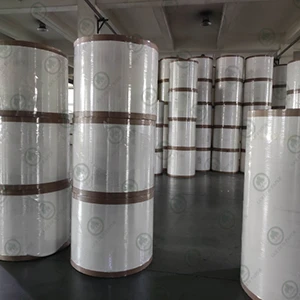
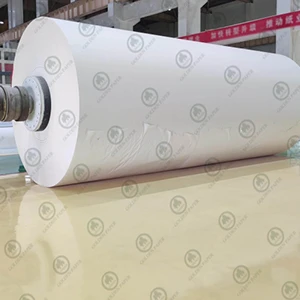
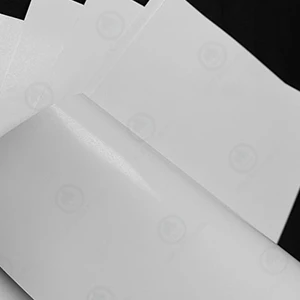
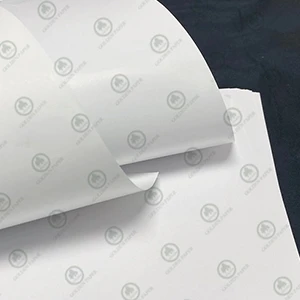
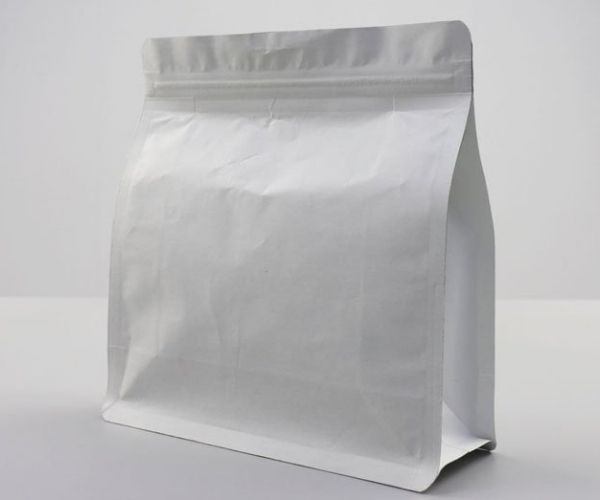
White kraft paper is noticeably different. After bleaching, the paper becomes white or off-white, with a cleaner and more uniform appearance. The surface is relatively smoother, making it more suitable for applications that require clear graphics, text, or brand presentation. Because of its white base, printed colors tend to appear more accurate and consistent. In many cases, this visual difference directly influences how the paper is used.

From a technical standpoint, both kraft paper and white kraft paper are produced using the kraft (sulfate) pulping process. The key difference lies in whether the pulp is bleached.
Kraft paper is mainly made from softwood pulp using the kraft process and is typically unbleached or only lightly treated. This approach preserves the natural fiber structure, resulting in high strength and toughness, while maintaining the original pulp color.
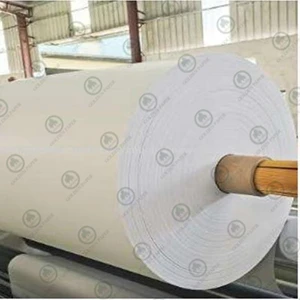
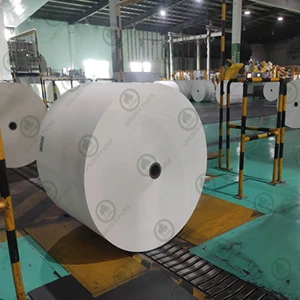
White kraft paper uses bleached kraft pulp or undergoes additional bleaching stages during pulp production. By removing lignin and pigments, the paper achieves higher brightness and whiteness. These additional steps require stricter control over equipment, processing conditions, and environmental compliance, which also leads to higher production costs.
Although bleaching may seem like a simple color treatment, it actually affects fiber structure, surface characteristics, and overall performance.
In terms of performance, kraft paper has very clear advantages.
Because unbleached kraft paper retains a more complete fiber structure, it offers excellent tensile strength, tear resistance, and folding endurance. It also performs well in humid conditions and provides a certain level of water and abrasion resistance, making it ideal for applications that require structural stability.
White kraft paper maintains the fundamental strength characteristics of kraft-based papers. However, since bleaching can slightly alter fiber properties, its maximum tear resistance may be marginally lower in some grades. In most packaging and printing applications, this difference is not significant.
On the other hand, white kraft paper performs better in terms of surface smoothness, ink adhesion, and print clarity. Whether it is text sharpness, color reproduction, or overall visual consistency, white kraft paper is better suited for branded packaging and high-quality printing requirements.
Based on these performance differences, the two paper types are used in clearly defined application areas.
Kraft paper is commonly used where practicality and load-bearing strength are the primary concerns. Typical applications include standard packaging bags, industrial packaging, protective paper, file folders, envelopes, and various types of paper bags. In these uses, appearance is less critical than durability, stability, and cost efficiency.
White kraft paper is more widely used in applications that demand higher visual quality and print performance. Premium food packaging, cosmetic packaging, gift boxes, branded packaging, labels, and printed materials often favor white kraft paper. Its white surface enhances perceived quality and allows design details and brand colors to stand out more clearly.
From a practical perspective, the choice is not about which paper is better, but which one is more suitable for the intended use.
When sourcing paper materials, price is always an unavoidable consideration.
Kraft paper is generally more affordable because its production process is relatively simple and does not involve complex bleaching stages. Lower energy consumption and reduced chemical usage make costs easier to control. This is one of the key reasons kraft paper has remained the dominant choice for large-volume, standardized packaging applications.
White kraft paper, however, requires additional bleaching processes and higher standards for raw material selection, process control, and environmental treatment. As a result, its overall production cost is higher, and market prices are typically higher than those of standard kraft paper.
In practical applications, white kraft paper often delivers better print results and a more refined finished appearance, which can enhance the overall value of the final product. This added value is why many brands are willing to accept a higher paper cost when visual quality matters.
Overall, kraft paper focuses on strength, durability, and cost efficiency, making it a function-oriented material choice. White kraft paper, while maintaining basic strength, places greater emphasis on appearance and printability, making it more suitable for applications where visual impact and brand image are important. If you have sourcing needs for printing paper or packaging board, feel free to contact Golden Paper. We are always ready to support you with professional knowledge and tailored solutions.