EN
EN
 fr
fr  de
de  es
es  it
it  ru
ru  pt
pt  ar
ar  vi
vi  tr
tr  id
id 
.webp "Digital Transfer Paper/Sublimation Paper")

Phone:
0086 27 688745330086 18049845758
 GOLDEN PAPER



.webp "Digital Transfer Paper/Sublimation Paper")


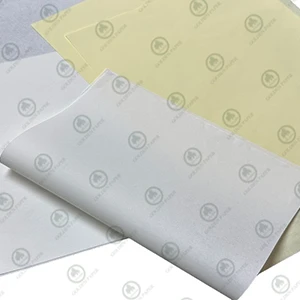

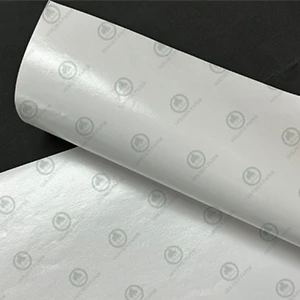
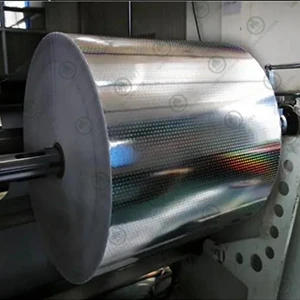
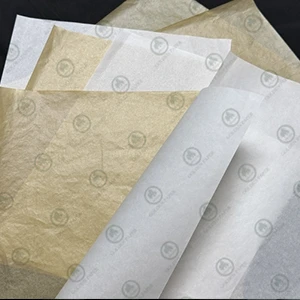


Straws paper have long been part of beverage consumption. Their value goes beyond convenience and lies in hygiene, safety, and controlled use. In recent years, public debate has not questioned the function of straws themselves, but rather the environmental impact of single-use plastic straws. As regulations become stricter, brand sustainability goals clearer, and paper-based materials more advanced, straws are gradually shifting from plastic to more sustainable paper alternatives.
Straws are not a dispensable design. In take-away beverages and high-frequency public consumption scenarios, straws reduce direct contact between the mouth and the cup lid, helping lower hygiene risks. For iced drinks, layered beverages, or drinks containing pulp, pearls, or other solid ingredients, straws significantly improve the drinking experience. They are also an important assistive tool for children, elderly consumers, and people with limited mobility. As a result, the industry discussion today is not about whether to use straws, but about what material straws should be made from.

Most disposable plastic straws are made from polypropylene and similar materials. Due to their small size and light weight, they are easily overlooked in existing recycling systems, resulting in extremely low recycling rates. Extensive research and real-world evidence show that plastic straws frequently enter the natural environment, where they persist for long periods and cause ongoing harm to marine ecosystems and wildlife. For this reason, plastic straws have become a primary target in global efforts to reduce single-use plastics.
In the United States and other major consumer markets, single-use plastic products are facing increasingly strict regulations. Some states and cities have introduced clear requirements or direct restrictions on the use of plastic straws in foodservice settings. For multinational companies, continued reliance on plastic straws brings higher compliance costs and greater regulatory uncertainty. This is one of the key reasons many brands are proactively transitioning to alternative materials.
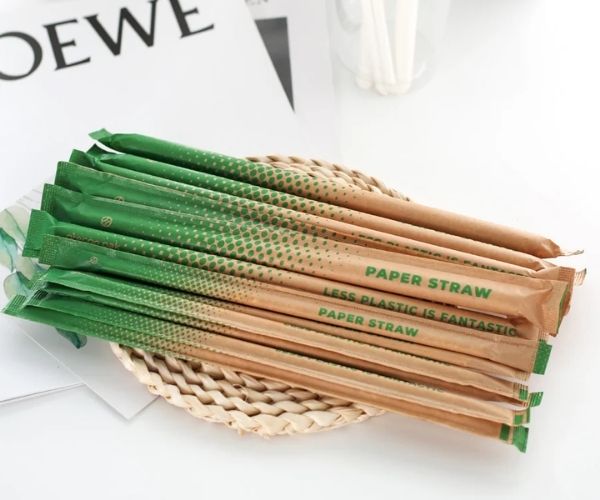
Global brands such as Starbucks, Hyatt Hotels, and American Airlines have incorporated plastic reduction into their long-term sustainability strategies. Although straws are small, they are one of the most visible changes consumers notice. Phasing out plastic straws not only supports environmental commitments, but also helps brands standardize materials across global markets and simplify supply chain management.
Compared with plastic straws, paper straws are made from renewable fiber resources and are more likely to degrade in natural environments, resulting in a lower overall environmental burden. Compared with other alternative materials, paper straws offer advantages in cost control, regulatory acceptance, and supply chain maturity. They can be adopted at scale within a relatively short time frame, which is why many brands view paper straws as both a transitional and long-term solution.
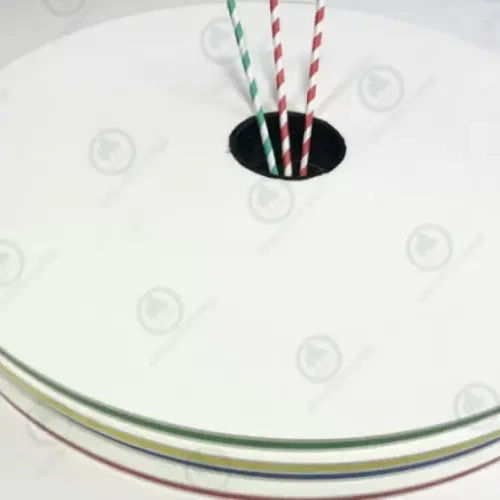
The user experience of paper straws depends not only on forming technology, but more fundamentally on the performance of the straw paper itself. Suitable straw paper must achieve a balance between stiffness, wet strength retention, and paper uniformity. If the base paper structure is unstable, the straw may soften or collapse too quickly when in contact with liquid, directly affecting consumer satisfaction.

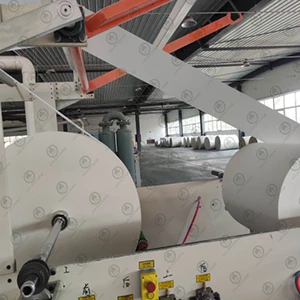
Paper used for straw production must balance multiple performance factors. These include stable basis weight and thickness to ensure consistent tube forming; sufficient wet strength retention so the straw maintains its structure during use; and compatibility with high-speed winding and forming equipment to support efficient processing. In addition, straw paper must meet food contact safety standards. These combined requirements mean that straw paper is not ordinary packaging paper, but a functional paper grade developed for specific end-use applications.
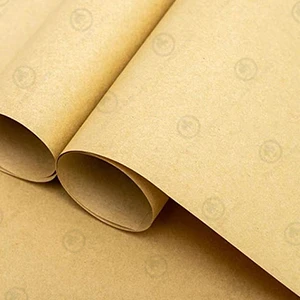
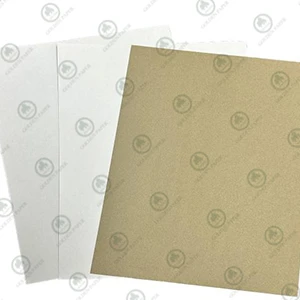
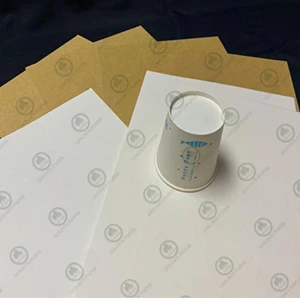
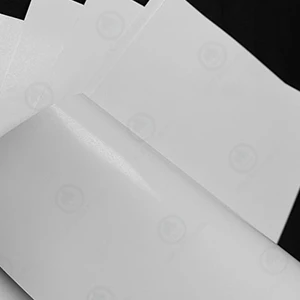
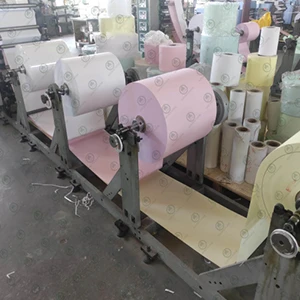
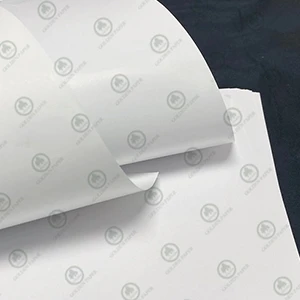
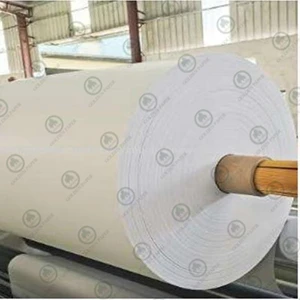
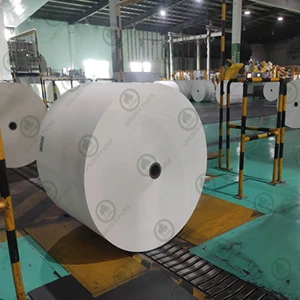
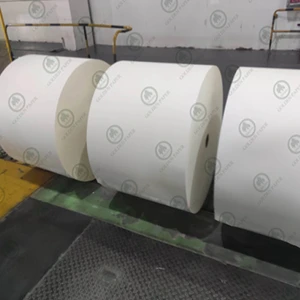
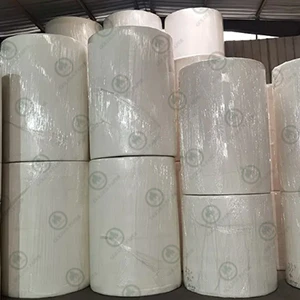
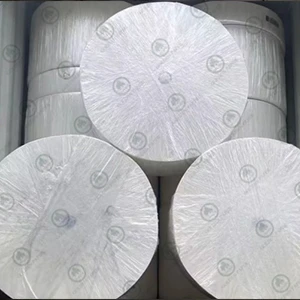
As a paper manufacturer and export-oriented supplier, Golden Paper focuses on the material stability and sustainability of straw paper. Our straw paper is produced from high-quality wood pulp and optimized for winding processes and real-use conditions. With reliable wet strength performance, consistent paper quality, and good converting adaptability, our straw paper meets the basic requirements of international markets for paper straws and supports customers in making a smooth transition from plastic straws to paper straws.
Straws are not disappearing, but single-use plastic straws are gradually exiting the mainstream market. The adoption of paper straws represents a rebalancing between functional needs and environmental responsibility. In this transition, the quality of straw paper plays a decisive role in whether paper straws can truly replace plastic ones. Through stable and reliable straw paper solutions, Golden Paper provides long-term, sustainable support for beverage brands and converters. Contact Golden Paper to explore customized straw paper solutions for your business.