EN
EN
 fr
fr  de
de  es
es  it
it  ru
ru  pt
pt  ar
ar  vi
vi  tr
tr  id
id 

Phone:
0086 27 688745330086 18049845758
 GOLDEN PAPER





.webp "Digital Transfer Paper/Sublimation Paper")

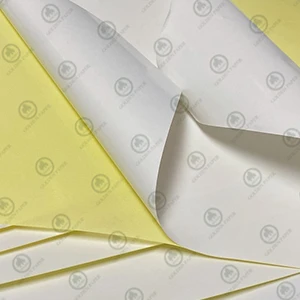
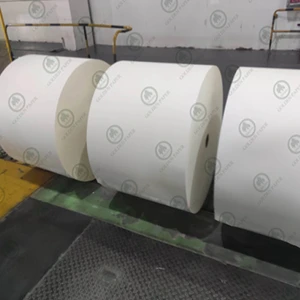

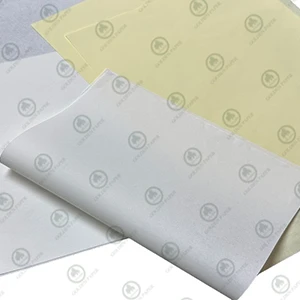


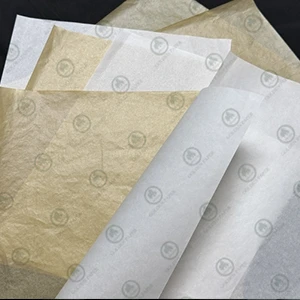


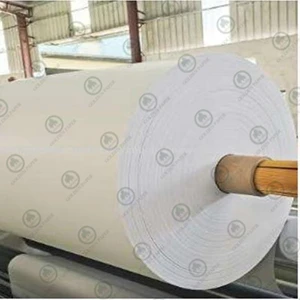
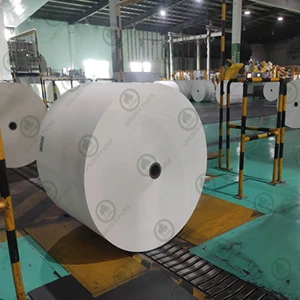
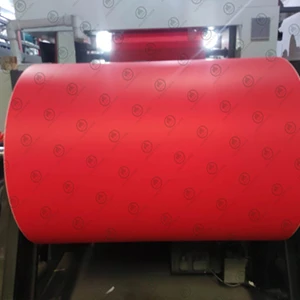
When making folding cartons, many customers start with the design, printing effects, or cost. But once the packaging enters production, the paper or paperboard becomes one of the first things that needs to be decided. The right material affects how the carton looks after printing, how well it holds its shape, and how easily it can be converted into the final package.
Common materials used for carton packaging include Ivory Board, coated paper, kraft paper, and corrugated board. They are not simply different options competing for the same application. Each one solves a different packaging requirement. FBB, for example, can be used directly as the main board for a folding carton, while coated paper is often used as a facing material when better print reproduction is needed. Kraft paper is often selected for its natural appearance, while corrugated board is designed to provide greater structural support and protection during transportation.
So, choosing packaging paper is not really about finding the best paper. The better question is: What does the packaging need to do?
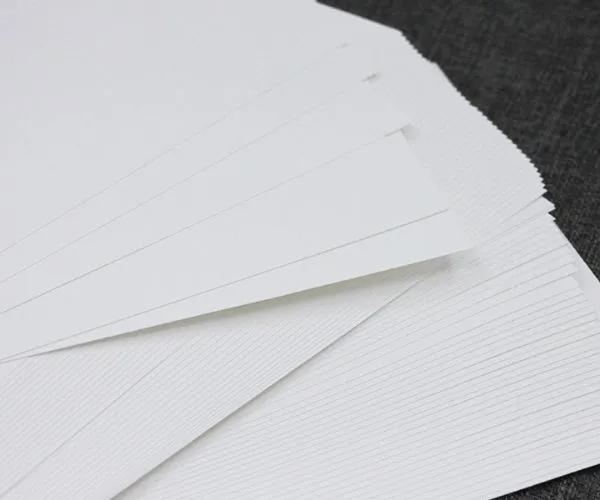
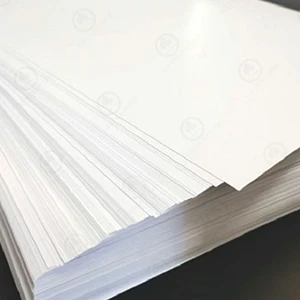
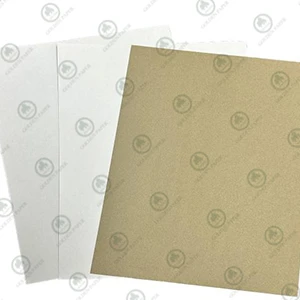
If you need a carton that can be printed, die-cut, creased, and folded into its final shape, FBB (Folding Box Board), also known as Ivory Board in many markets, is a common choice.
FBB offers a good balance of stiffness, smoothness, and printability. This makes it suitable for cosmetic boxes, food packaging, pharmaceutical cartons, household products, and electronics packaging. It can also support common printing and finishing processes such as four-color printing, spot colors, lamination, hot stamping, UV coating, and embossing.
One reason FBB works well for folding cartons is that the board itself can provide both the printable surface and the structural support required by the carton. Compared with a construction that requires a separate facing material, this can also make the converting process more straightforward.
However, this does not mean that a heavier board is always better. If a small, lightweight carton is made with an unnecessarily high grammage, the additional material may increase cost without providing a meaningful benefit. It can also affect creasing and folding performance.
The appropriate grammage should therefore be considered together with the carton size, structure, and product weight.
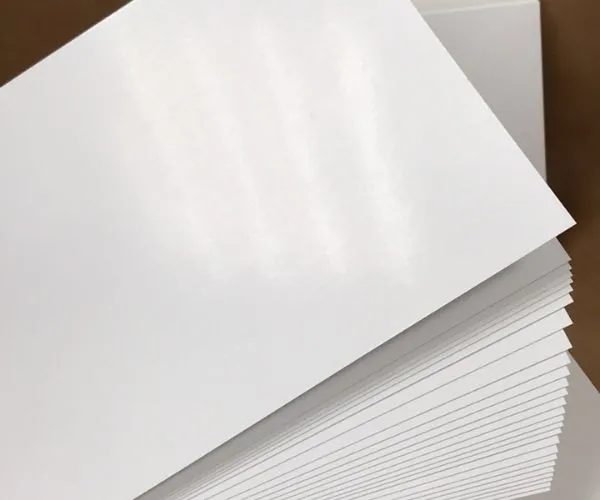
Coated paper has a different role in packaging.
Its main advantage is its smooth surface, which allows images, text, and colors to be reproduced clearly. When packaging contains detailed product images or requires a high-quality printed appearance, coated paper can provide an excellent printing surface.
However, ordinary coated paper is not primarily designed to provide the structural stiffness required by a folding carton. For this reason, it is often used as a facing or printed layer and combined with another substrate, such as grey board or corrugated board.
The idea is relatively simple: the coated paper provides the appearance and printing performance, while the underlying board provides structural support.
This approach can be useful when the packaging needs a high-quality printed surface but also needs more strength than coated paper alone can provide. It is commonly seen in premium gift packaging, display packaging, and some printed corrugated packaging.
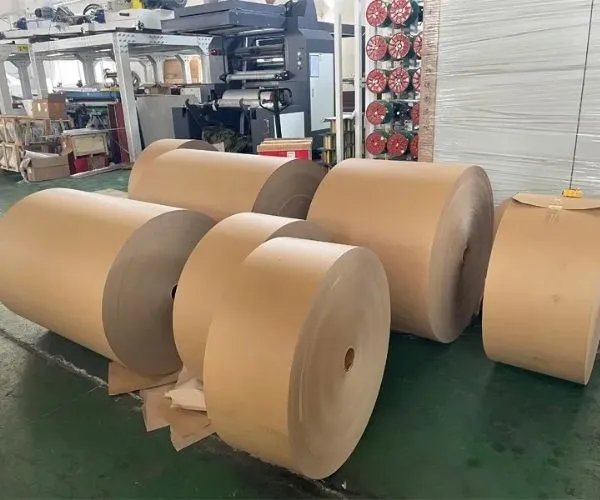
The reason to choose kraft paper is often quite different.
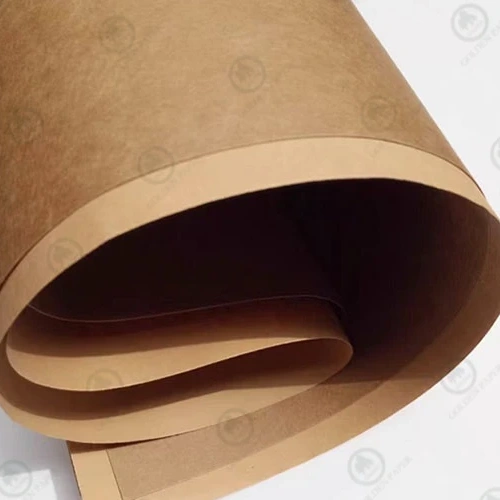
Many brands choose kraft paper not because it provides better color reproduction than white paper, but because the paper itself gives the package a distinctive natural appearance. Coffee, tea, organic food, bakery products, and some personal care brands often use kraft packaging when they want a simple and natural visual identity.
There is one practical point to consider, though: the color of kraft paper affects the final printed result.
When a brown kraft surface is used for color printing, the colors will not appear the same way they would on a white substrate. This is especially important for packaging that relies heavily on specific brand colors. The paper color needs to be considered during the design and printing stages; otherwise, the final result may look quite different from the original design.
For this reason, kraft paper works particularly well when the natural paper color is part of the intended packaging appearance. If the design depends on bright images and accurate brand colors, a white paper or board can make color reproduction easier.
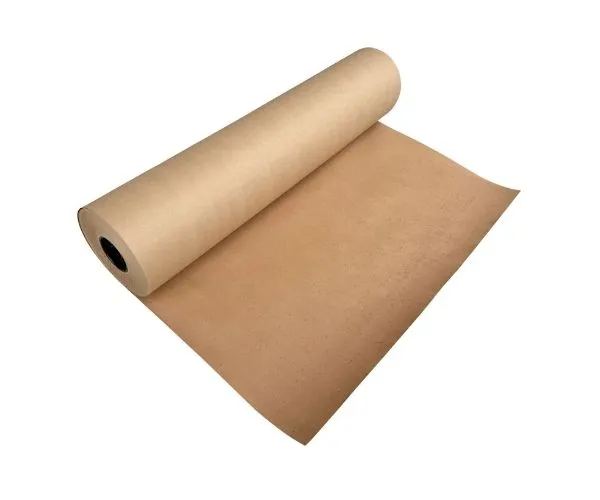
If a carton only needs to sit on a retail shelf, printing quality and appearance may be the main concerns. But if the package also needs to go through warehousing, transportation, and delivery, the requirements become different.
This is where corrugated board becomes important.
Corrugated board is made from liner paper and a fluted corrugated medium. The fluted structure provides support and cushioning, making it suitable for packaging that needs to withstand handling, stacking, and transportation.
Different flute profiles, such as E flute, B flute, and C flute, have different thicknesses and structural characteristics. The right choice depends on the size of the package, the weight of the product, and the level of protection required.
For smaller packages where appearance and printing are still important, a thinner flute may be appropriate. When the package needs to handle heavier products or greater stacking pressure, a different corrugated structure may be more suitable.
There is also a way to combine printing performance with corrugated protection. A printed white paper or coated paper can be laminated to corrugated board, allowing the outer surface to provide the desired visual effect while the corrugated structure provides support and protection.
When choosing paper for the first time, it is easy to assume that a heavier board will automatically produce a stronger carton.
That is not necessarily the case.
A higher grammage can increase stiffness, but carton performance depends on more than grammage alone. If the board is too thick or too rigid for the carton structure, it can make creasing and folding more difficult. Complex carton designs may also be more likely to experience cracking along the crease lines or problems during locking and forming.
The better approach is to choose a paperboard that matches the entire packaging structure.
For example, a small carton for a lightweight serum bottle and a larger carton containing a heavy glass bottle may both be used for cosmetics, but they will not necessarily require the same board specification. As the carton becomes larger or the product becomes heavier, the role of the board in supporting the structure also changes.
This is why a professional paper supplier will usually need more information than simply the required grammage. Product weight, carton dimensions, structure, printing process, and finishing requirements can all affect the recommendation.
If you need a carton that can be printed, die-cut, creased, and folded directly into its final shape, FBB / Ivory Board is often a practical choice. It provides a good balance between printing performance and structural stiffness, which is why it is widely used for retail packaging.
If the package places greater emphasis on detailed images and color reproduction, but ordinary coated paper does not provide enough structural support, coated paper can be used as a facing material and laminated to grey board or corrugated board.
If the brand wants the packaging to retain a natural paper appearance, kraft paper may be a better fit. However, if the design depends heavily on bright or accurately reproduced brand colors, the effect of the kraft base color needs to be considered in advance.
If the package must withstand transportation and stacking, the focus should shift from printing alone to the overall packaging structure. Corrugated board and the appropriate flute profile may then become more important.
This is why there is no single paper that is best for every folding carton. The right choice depends on what the packaging needs to achieve.
Product weight, carton size, structure, printing and finishing requirements, and transportation conditions can all affect the final specification.
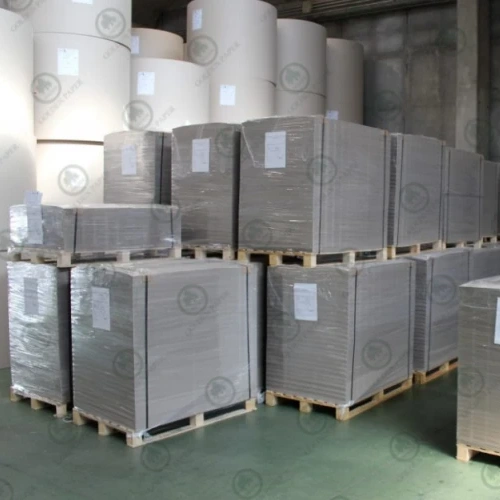
As a paper and paperboard supplier, Golden Paper Group supplies a range of packaging grades for different converting and printing requirements, including FBB / Ivory Board, high-bulk FBB, coated paper, kraft paper, duplex board, and other specialty packaging grades.
For packaging manufacturers, converters, and paper distributors, choosing a suitable grade is not only about selecting a grammage. The right specification should also match the intended carton structure, printing process, and end application.
If you are sourcing paper for folding cartons and are unsure which grade or specification is suitable, providing details such as the product weight, carton dimensions, packaging structure, required printing or finishing, and estimated quantity can help narrow down the right material more efficiently.
Golden Paper can help evaluate the available paper grades based on these requirements and provide a suitable specification for your application.