EN
EN
 fr
fr  de
de  es
es  it
it  ru
ru  pt
pt  ar
ar  vi
vi  tr
tr  id
id 

Phone:
0086 27 688745330086 18049845758
 GOLDEN PAPER


.webp "Digital Transfer Paper/Sublimation Paper")




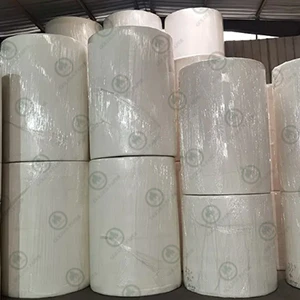
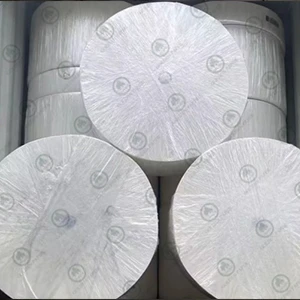

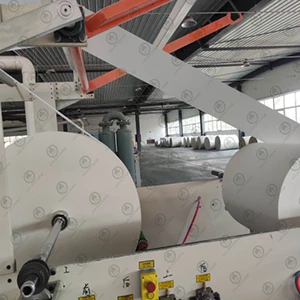
Paper and paperboard are both made from plant fibers and produced through pulping, forming, pressing, and drying. From a raw material perspective, there is no fundamental difference between them. However, when it comes to thickness, structural design, physical performance, and end use, the differences are significant. If you are sourcing materials for a printing project or packaging application, understanding these distinctions will directly impact cost control, product durability, and overall performance.
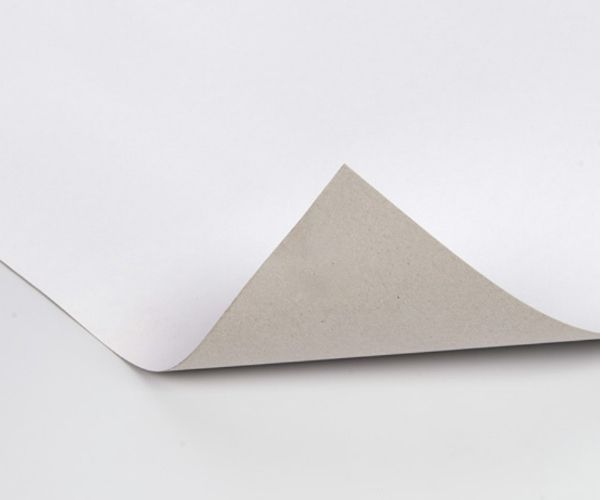
In industry practice, the distinction between paper and paperboard (often simply called board) is not based on thickness alone. It involves basis weight, structural strength, manufacturing method, and final application.
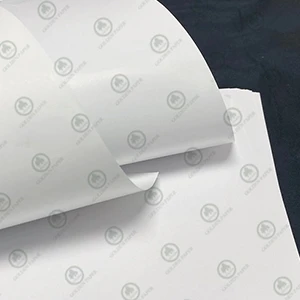
In terms of basis weight (GSM) and caliper (thickness), paper generally refers to materials under 200 gsm with a thickness below 0.1 mm. These products are lightweight and flexible, with strong emphasis on printability and smooth surface performance.
Paperboard typically refers to materials at or above 200 gsm and thicker than 0.1 mm. However, this boundary is not absolute. For example, certain specialty grades such as containerboard may fall below 200 gsm but are classified as paperboard due to their structural function.
In practical procurement, basis weight and thickness directly influence material cost, stiffness, load-bearing capacity, and converting performance. These are the first technical parameters buyers should confirm when selecting paper or paperboard.
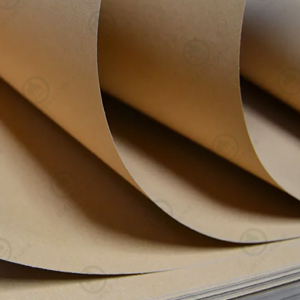
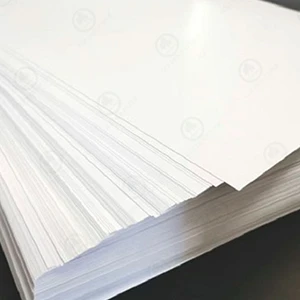
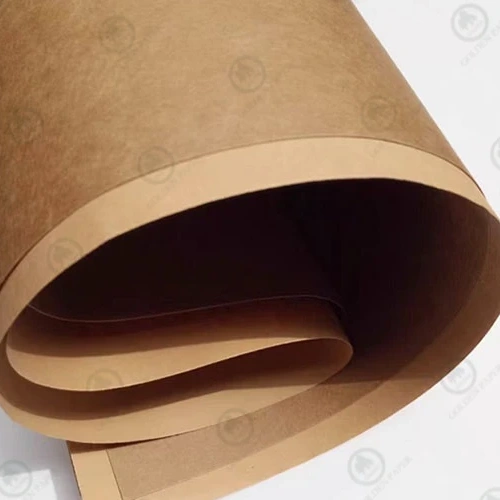
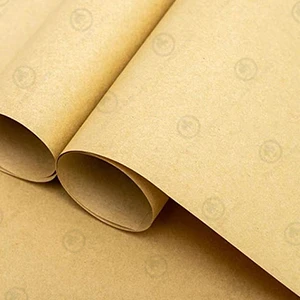
From a physical performance standpoint, paper is typically thin, soft, and less rigid. It folds and rolls easily, making it suitable for high-speed printing, writing paper, offset printing paper, and lightweight packaging paper.
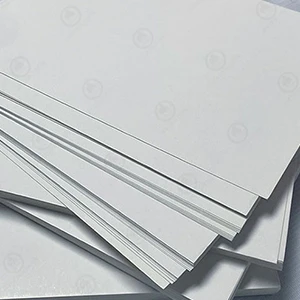
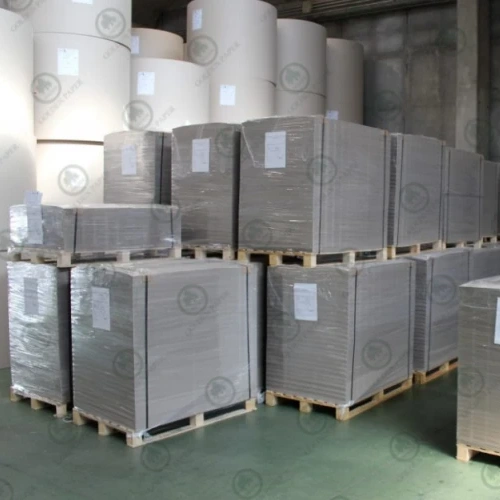
Paperboard, by contrast, offers higher stiffness and stronger resistance to compression and bending. Its thicker structure allows it to maintain shape after die-cutting and forming. This makes it ideal for folding cartons, rigid boxes, display stands, book covers, and structural packaging.
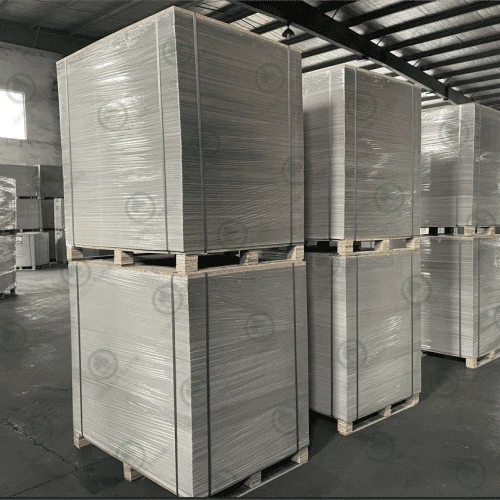
During transportation and stacking, paperboard withstands greater external pressure, while paper focuses more on surface smoothness and printing performance.
Paper is widely used in cultural and everyday applications, such as books, newspapers, notebooks, writing and printing paper, as well as tissue, napkins, gift wrap, and lightweight paper bags. It is primarily chosen for readability, print performance, and flexibility.
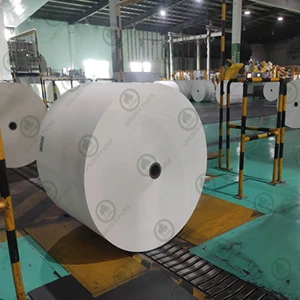
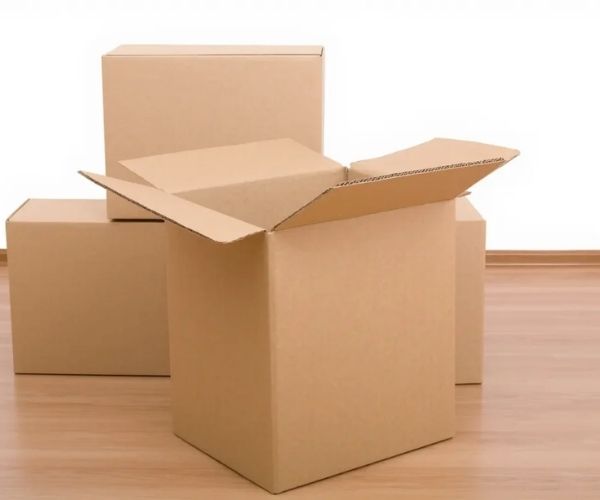
Paperboard, on the other hand, is mainly used in packaging and industrial sectors. It is commonly found in corrugated cartons, shipping boxes, folding cartons, rigid packaging, paper drums, and various industrial boards such as insulation board, soundproof board, gypsum liner board, and fire-resistant board. In short, when strength and protection are required, paperboard is typically the better option, whereas paper is preferred for writing, reading, and high-quality printing applications.
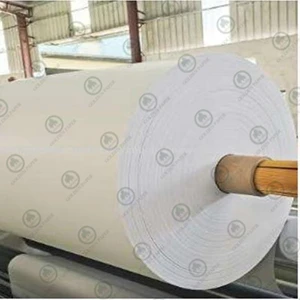
The manufacturing process for paper is relatively straightforward. It is typically formed in single-layer or multi-wire sections, followed by pressing, drying, and calendaring. Production focuses on surface smoothness, brightness, and printability.
Paperboard production is generally more complex. Many grades use a multi-layer structure, including top layer, middle layer, and back layer, formed separately to improve overall strength. Additional sizing, coating, and calendaring treatments may be applied to enhance surface and structural stability.
This layered design allows manufacturers to optimize fiber selection—using higher-grade pulp on the surface for print quality and more economical fiber in the core—achieving a balance between performance and cost efficiency.
.jpg "color_paper_(2).jpg")
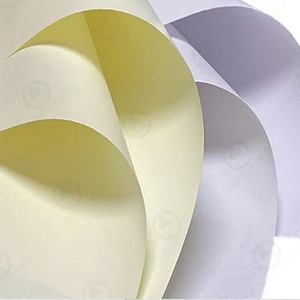
In terms of appearance and feel, paper typically has a smoother surface and softer hand feel. Depending on application needs, coating or calendaring can adjust gloss, brightness, and color reproduction.
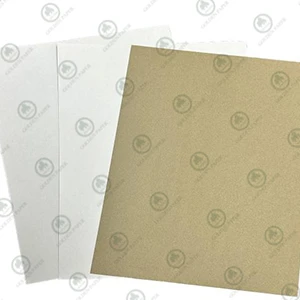
Paperboard emphasizes rigidity and structural presence. Some grades may have a more textured surface, but high-end packaging boards can be coated, embossed, or specially finished to enhance visual appeal and printing quality.
It is important to note that the boundary between paper and paperboard is not always absolute. For example, white cardstock or certain drawing papers may have high basis weight yet are still referred to as “paper.” In international trade, classification often depends on market convention and end-use function, not solely numerical standards.
Paper focuses on print quality and flexibility, while paperboard provides strength and durability. Understanding basis weight and performance differences helps you choose the right material for printing or packaging. Golden Paper supplies reliable printing paper and packaging board with stable quality and customized solutions.