EN
EN
 fr
fr  de
de  es
es  it
it  ru
ru  pt
pt  ar
ar  vi
vi  tr
tr  id
id 
.webp "What is CKB in Food Packaging?")
Phone:
0086 27 688745330086 18049845758
 GOLDEN PAPER



.webp "Digital Transfer Paper/Sublimation Paper")




Kitchen paper towels may seem similar, but performance differences can be significant. In the premium market, TAD kitchen towels are increasingly replacing traditional options in commercial kitchens and quality-focused homes. What makes TAD different from regular kitchen paper towels? Understanding these differences helps you make smarter sourcing and product positioning decisions.
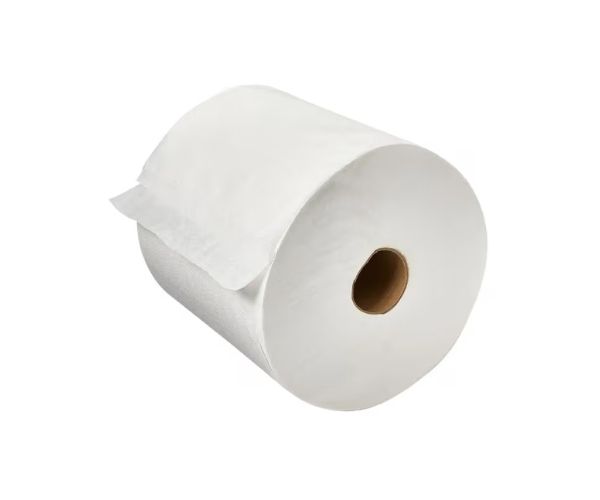
The fundamental difference between a TAD kitchen towel and a regular kitchen towel lies in the manufacturing process.
TAD stands for Through Air Drying. Unlike conventional press drying, the TAD process does not rely on heavy mechanical pressure to remove water from the paper web. Instead, hot air passes through the sheet, drying it while the fibers remain in a relatively relaxed and uncompressed state.
Because the fibers are not flattened by pressure, they retain volume and create a bulky, three-dimensional structure. Inside the sheet, there are large air pockets that allow the fibers to form a supportive network rather than being compressed into a flat layer.
A simple way to understand this is to think of whipped cream: air is incorporated to increase volume and softness. Similarly, TAD technology introduces air into the structure, creating a true 3D fiber structure.
In contrast, traditional kitchen paper towels are produced using mechanical pressing. The wet sheet passes through heavy press rolls that squeeze out water while compressing the fibers. The sheet is then dried on heated cylinders.
This process is mature, efficient, and cost-effective. However, the compression flattens the fiber structure, resulting in a denser, more compact 2D structure.
From a manufacturing perspective, TAD focuses on maximizing performance and structural integrity, while conventional technology prioritizes efficiency and production scale.
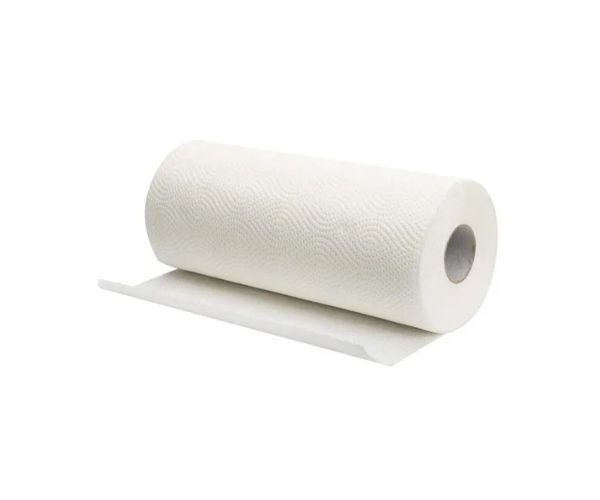
Different production methods lead directly to different microstructures.
A TAD kitchen towel has a clearly defined three-dimensional fiber network with large void spaces between fibers. These air pockets increase bulk, thickness, and porosity. Even at the same basis weight, a TAD towel typically looks thicker and feels more cushioned.
A regular kitchen towel, after being pressed, has tightly packed fibers and a smoother surface. Because the structure is denser, the available absorption space per unit volume is more limited.
This structural difference—3D versus 2D—is the physical reason behind the performance gap seen in everyday use.
In kitchen environments, the primary function of a paper towel is to handle spills, water, and grease.
Thanks to its three-dimensional structure, a TAD paper towel for kitchen use absorbs liquid almost instantly. Capillary action quickly pulls moisture into the internal air pockets, where it is locked within the fiber network rather than remaining on the surface. This reduces rewet and helps keep countertops dry.
When dealing with large spills, fewer sheets are typically required. In practical terms, a single TAD sheet often delivers higher cleaning efficiency compared to a regular paper towel.
Regular kitchen paper towels also absorb liquid, but the process is slower due to limited internal space. When exposed to a large amount of liquid, they can reach saturation more quickly and may allow leakage.
The same principle applies to grease absorption. The bulky fiber network of TAD towels captures and retains oil more effectively, while conventional towels may allow grease to spread across the surface, reducing cleaning performance.
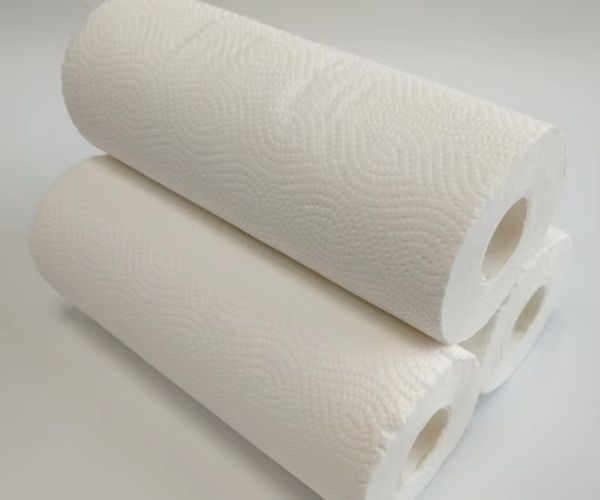
Wet strength is one of the most important factors separating premium kitchen paper towels from standard options.
A TAD kitchen towel maintains structural integrity even after becoming fully wet. The fiber network continues to provide support, making the sheet resistant to tearing. This allows it to handle heavier-duty cleaning tasks, such as scrubbing greasy pans, wiping sinks, or functioning as a temporary disposable cleaning cloth.
This durability results from both the 3D structure and optimized wet-strength chemistry.
By comparison, regular kitchen paper towels lose much of their strength once saturated. The bonds between fibers weaken, increasing the likelihood of tearing and lint residue. While suitable for light cleaning, their performance under heavier conditions is limited.
Because of its bulky structure, a TAD towel feels more like a small cloth than a traditional paper sheet. It is soft, flexible, and comfortable to handle. This makes it suitable for wiping dishes or even brief skin contact.
Regular kitchen towels tend to feel smoother and stiffer. Their design focuses primarily on basic functionality rather than premium tactile experience.
As consumer expectations shift toward higher-quality household products, softness has become an increasingly important selling point in the premium kitchen towel segment.
TAD technology requires higher equipment investment, greater energy consumption, and stricter process control. As a result, manufacturing costs are significantly higher than those of conventional pressed towels.
For this reason, TAD kitchen towels are typically positioned in premium retail channels, specialty stores, or commercial kitchen markets where performance justifies a higher price point.
Regular kitchen paper towels, benefiting from mature production systems and economies of scale, maintain lower production costs and serve the mass market effectively.
For suppliers and brand owners, this is not simply a matter of “better versus worse.” It is a question of market segmentation and product positioning. Different technologies serve different customer groups and profit strategies.
The difference between a TAD kitchen towel and a regular kitchen paper towel lies in manufacturing technology and fiber structure. TAD uses through air drying to create a bulky 3D structure with better absorbency, wet strength, and softness. Conventional pressed towels offer a stable and cost-effective option for everyday cleaning. Contact us Golden Paper for specifications, pricing, and customized solutions tailored to your target market.