EN
EN
 fr
fr  de
de  es
es  it
it  ru
ru  pt
pt  ar
ar  vi
vi  tr
tr  id
id 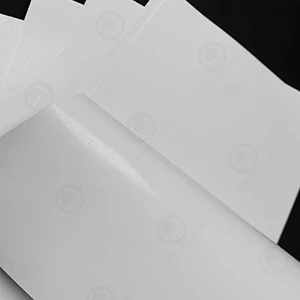

Phone:
0086 27 688745330086 18049845758
 GOLDEN PAPER

.webp "Digital Transfer Paper/Sublimation Paper")
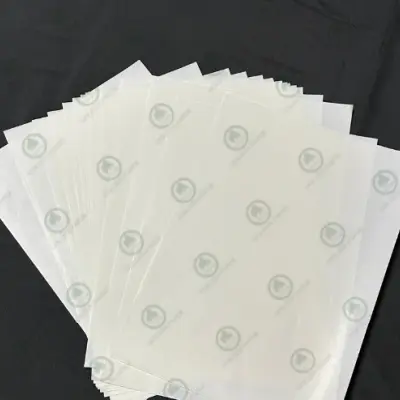
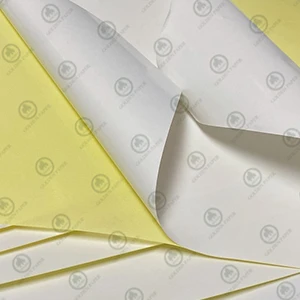
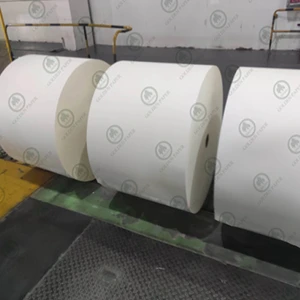

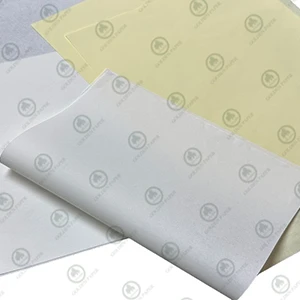

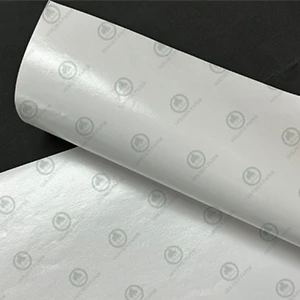
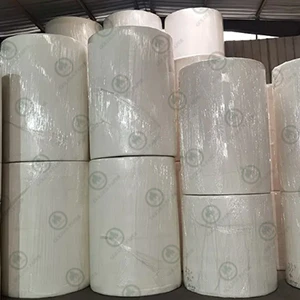
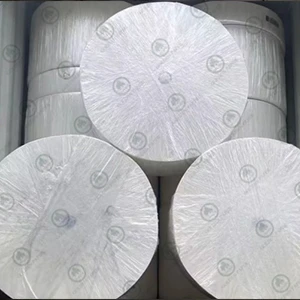

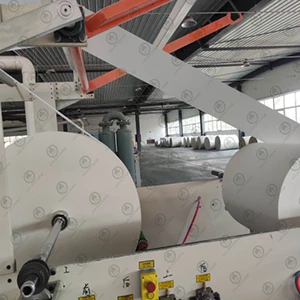
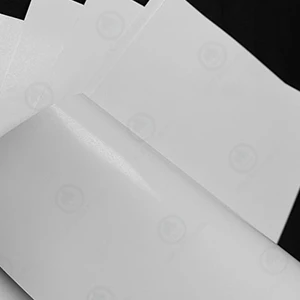
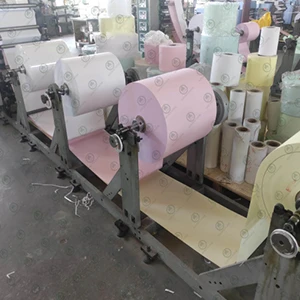
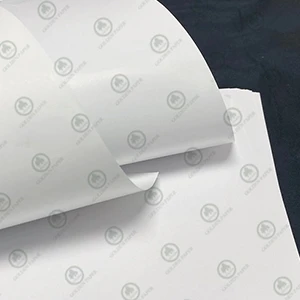
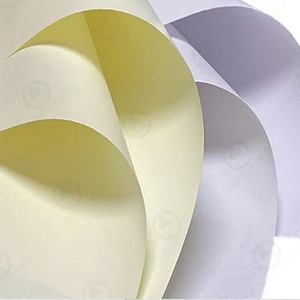
Coated paper is widely used in commercial printing and packaging. A surface layer of pigments and binders improves smoothness, brightness, and printability. Different coating and finishing methods affect color reproduction and performance. Understanding coated paper types helps buyers control costs, ensure print quality, and improve overall production efficiency.
In real procurement and production environments, coated paper is typically categorized from two main perspectives. One approach focuses on the coating method applied to the sheet, which determines structural characteristics and functional performance. The other approach evaluates surface gloss level, which affects visual appearance and user experience.
These two classification dimensions work together to define how coated paper performs during printing and how it ultimately appears in the finished product. They also influence production cost, printing stability, and suitability for different commercial printing and packaging applications.
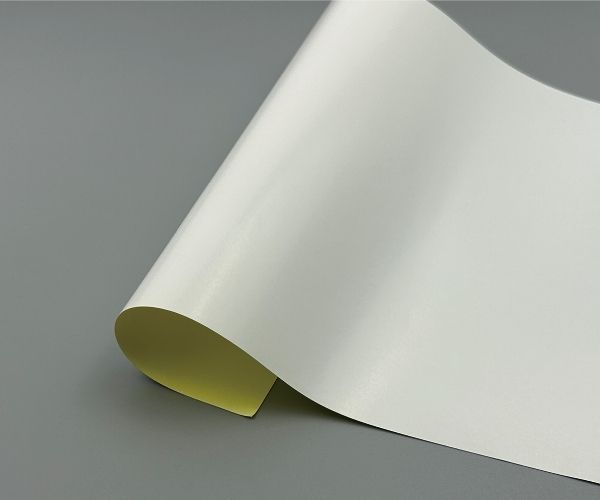
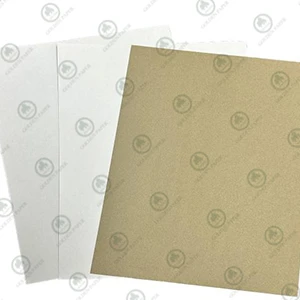
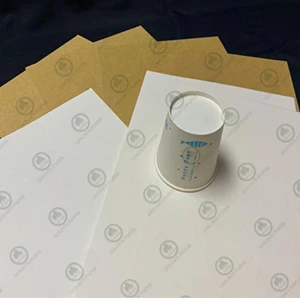
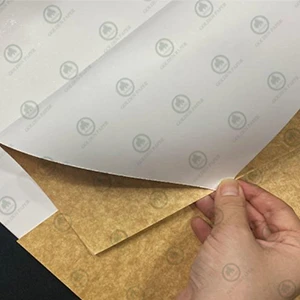
Single-side coated paper, commonly referred to as C1S paper (Coated One Side), is coated on only one surface while the reverse side remains uncoated or receives minimal surface treatment. The coated surface offers higher smoothness and better ink absorption control, allowing for sharp image reproduction and vibrant color presentation. The uncoated back provides practical benefits in applications that require writing, gluing, or structural bonding.
This structural design achieves a balance between functionality and cost efficiency. C1S coated paper is particularly suitable for applications where only one surface needs high-quality visual impact. It is widely used in retail packaging, paper bags, promotional materials, and folding cartons in which the exterior must deliver premium print performance while the interior serves a functional role.
From a production standpoint, coating only one side simplifies coating weight control and improves uniformity management. Because less coating material is required compared to double-side coated paper, C1S paper generally offers a lower production cost. For projects with limited budgets that still demand strong front-side print quality, single-side coated paper remains a cost-effective and reliable option.
Double-side coated paper, known as C2S paper (Coated Two Sides), is coated on both surfaces. This construction allows consistent ink receptivity and uniform color reproduction during double-sided printing.
Because both sides provide excellent smoothness and surface performance, C2S coated paper is ideal for printed materials that require high-quality presentation on each side. It is commonly selected for magazines, product catalogs, corporate brochures, and marketing booklets where visual consistency throughout the document is essential.
For high-page-count commercial printing projects, C2S paper helps maintain color balance and image clarity across both sides of the sheet, reducing the risk of show-through and minimizing noticeable color variation. In high-speed offset printing and web press operations, double-side coated paper also offers stable sheet runnability and production efficiency. For large-volume commercial printing, it remains one of the most dependable coated printing paper options available.
Beyond coating structure, surface gloss level plays a decisive role in determining the visual style of the final product. The finishing process applied to coated paper influences how light interacts with the printed surface, which in turn affects color perception, contrast, and readability.
Based on gloss level, coated paper is generally divided into gloss coated paper and matte coated paper. Each finish serves a distinct purpose in commercial printing and packaging design.
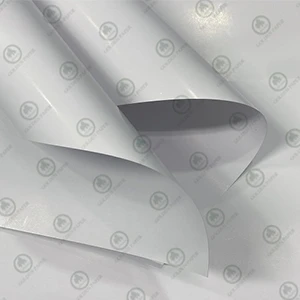
Gloss coated paper features a highly smooth and reflective surface created through advanced finishing processes such as supercalendering. The high gloss level enhances ink reflectivity, resulting in brighter colors, stronger contrast, and sharper detail reproduction.
This reflective surface amplifies image depth and visual intensity, making gloss coated paper particularly suitable for marketing-driven materials where strong visual impact is required. In promotional brochures, advertising posters, product leaflets, and high-resolution image printing, the glossy finish enhances brand presentation and creates a premium impression.
However, because gloss paper reflects more light, glare can occur under strong lighting conditions. In reading-intensive environments, excessive reflection may affect viewing comfort. Therefore, the choice of gloss coated paper should consider the intended usage environment and audience experience.
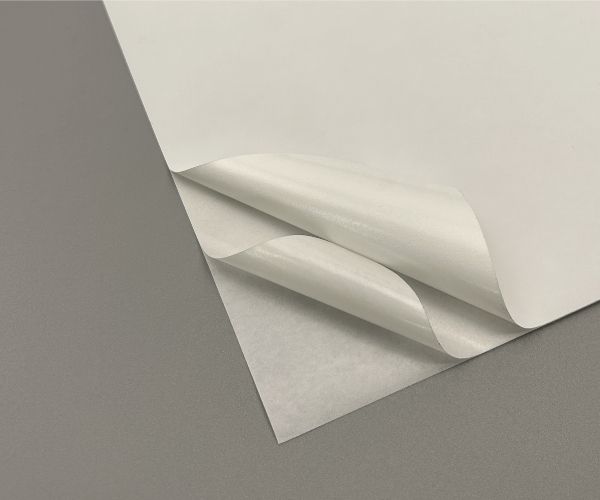
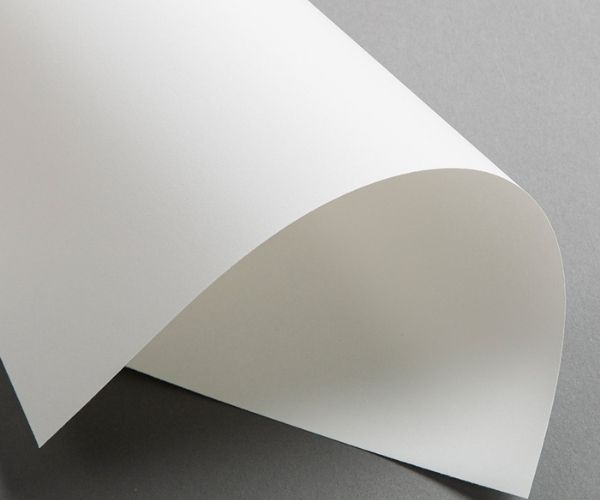
Matte coated paper, sometimes referred to as dull coated paper or silk paper, has a lower gloss surface that produces a softer and more refined visual effect. By reducing light reflection, matte paper creates a more natural viewing experience and minimizes glare interference.
This characteristic makes matte coated paper especially suitable for print materials that prioritize readability, subtle color tones, and detailed image reproduction. It is frequently used in art books, photography collections, corporate annual reports, and premium brand packaging where elegance and sophistication are central to brand positioning.
For extended reading applications, matte coated paper offers a clear advantage because its low-reflective surface reduces visual fatigue. In corporate publications, cultural printing projects, and high-end book production, matte coated printing paper is often selected for its balance of aesthetic appeal and functional comfort.
Choosing the right coated paper means balancing print quality, cost, and end-use needs. C1S or C2S affects structure, while gloss or matte defines visual style. Evaluating your printing method and application helps ensure the best fit. We Golden Papersupply reliable coated paper in various basis weights. Contact us for samples and pricing.