EN
EN
 fr
fr  de
de  es
es  it
it  ru
ru  pt
pt  ar
ar  vi
vi  tr
tr  id
id 
Phone:
0086 27 688745330086 18049845758
 GOLDEN PAPER

.webp "Digital Transfer Paper/Sublimation Paper")
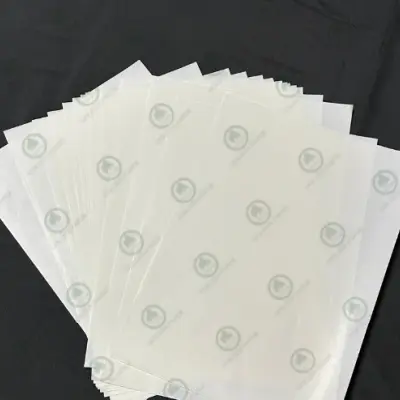
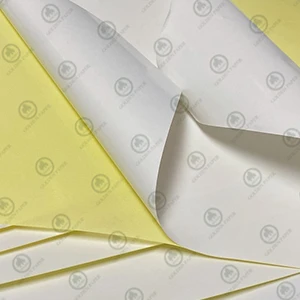
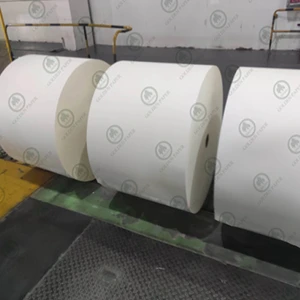

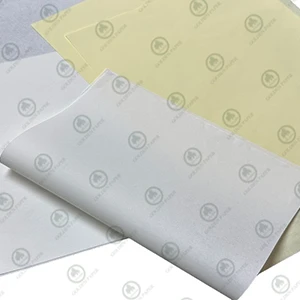


Recently, I noticed a question on Quora asking: “What types of paper are suitable for a book cover?” A similar discussion also appeared on Reddit. Many publishers and designers face the same issue when producing books. Choosing the right book cover paper affects print quality, durability, and the overall look of the book.
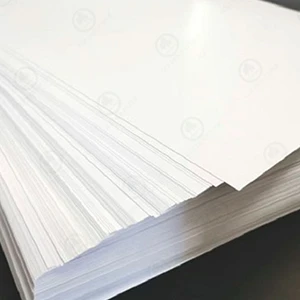
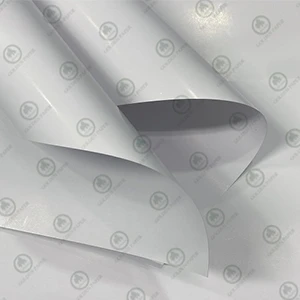
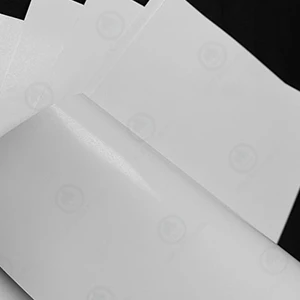
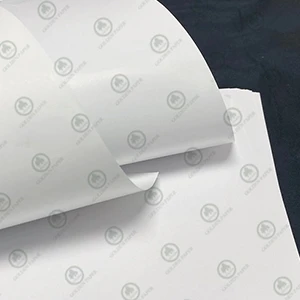
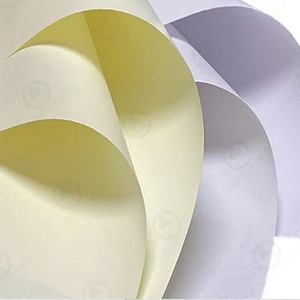
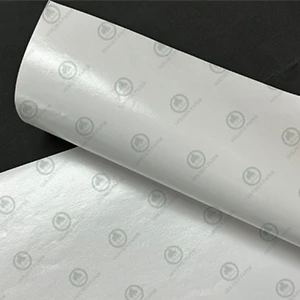
Gloss coated paper is one of the most widely used materials for book cover printing. It is also commonly called art paper in the printing industry. Because its surface is coated with a special layer, the paper has high smoothness and brightness, allowing it to produce excellent printing results.
This type of paper features a smooth surface, even ink absorption, and strong color reproduction. Whether it is complex image details or rich color layers, coated paper can present them clearly. In commercial printing and publishing, coated paper is often used for book covers that require high-quality image printing.
Coated paper is usually divided into single-sided coated (C1S) and double-sided coated (C2S) types. In addition, it can be classified by finish into gloss coated paper and matte coated paper. Gloss paper produces brighter colors and stronger contrast, while matte paper provides a softer visual effect.
When choosing paper weight for book covers, common options include 157 gsm, 200 gsm, and 250 gsm. Higher paper weight generally means greater thickness and stiffness, which makes the cover more durable.
Coated paper is ideal for full-color book covers, such as art albums, fashion magazines, children’s books, and commercial publications. These books usually require strong visual impact, which coated paper can deliver effectively.
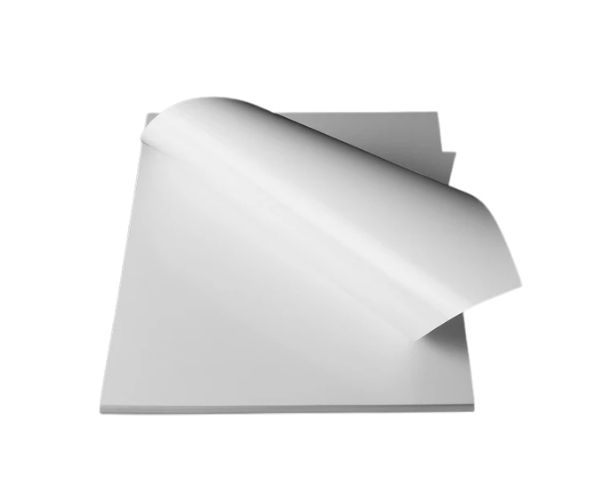
Matte coated paper is essentially a type of coated paper, but its surface is specially treated to create a low-gloss or non-reflective finish. Compared with gloss coated paper, matte paper focuses more on texture and reading comfort.
The main characteristics of matte coated paper are soft visual appearance, low glare, and delicate image reproduction. Because it reflects less light, it reduces glare during reading and provides a more comfortable viewing experience. At the same time, matte paper offers good color reproduction, making images appear more natural.
From a design perspective, matte coated paper often gives a subtle, elegant, and premium look. For this reason, many publishers choose matte paper for book covers that emphasize artistic or cultural style.
It is commonly used for novels, photography books, art books, and academic publications. These books usually focus on atmosphere and design quality rather than highly saturated colors.
Typical paper weights include 105 gsm, 128 gsm, and 157 gsm. The final choice should depend on the book size, binding style, and cover design requirements.
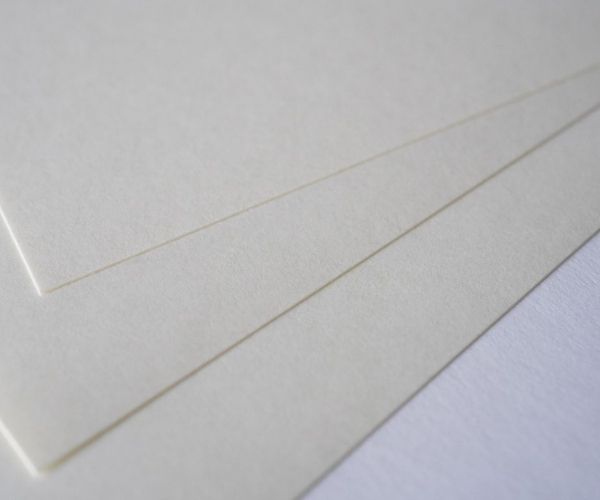
Ivory board, also known as FBB (Folding Box Board), is a paperboard material with high stiffness, strong structure, and excellent durability. Compared with regular printing paper, it is thicker and more rigid, which makes it suitable for book covers that require higher strength.
Ivory board usually has high brightness and a smooth surface, which helps achieve clear and stable printing results. It also absorbs ink well, allowing images and text to appear sharp and well defined.
In addition to printing performance, ivory board provides excellent folding strength and structural stability. This makes it reliable for bookbinding, especially for books that are frequently handled or kept for long periods.
Ivory board is commonly used for hardcover books, premium art books, gift books, and commemorative publications. It can significantly enhance the overall quality and visual value of a book.
Typical weights range from 200 gsm to 400 gsm, such as 250 gsm or 300 gsm. Larger book covers often require heavier board to maintain good stiffness.
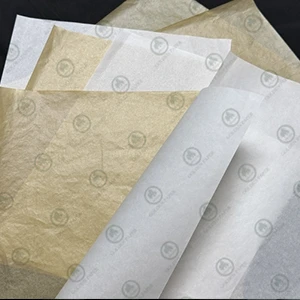
Specialty paper refers to papers with unique textures, colors, or visual effects. Compared with standard printing paper, specialty papers focus more on decorative and creative design elements.
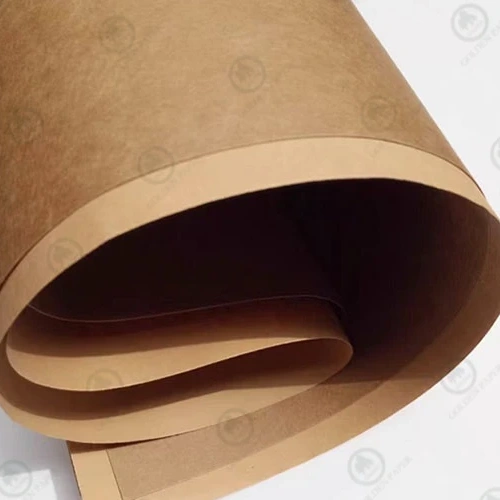
There are many types of specialty paper, including linen texture paper, leather texture paper, fiber texture paper, and pearl paper. Different textures create completely different visual and tactile experiences, giving book covers a distinctive and artistic look.
For example, linen texture paper is often used for classic or vintage-style books, while leather-texture paper can create a premium appearance similar to leather covers. Pearl paper is commonly used for fashion or design books, as it produces a subtle shimmering effect under light.
Because of their design flexibility, specialty papers are widely used for art books, literary works, limited editions, and customized publications.
Their weight range is quite broad, typically from 80 gsm to 300 gsm. The final choice depends on the paper texture, cover structure, and overall design effect.
Offset paper is the most common paper used for book pages, but in some cases it can also be used for book covers, especially when cost control or simple design is a priority.
Offset paper is known for uniform ink absorption, dense structure, and good opacity. Although its surface is not as smooth as coated paper, it performs reliably in text printing and provides a comfortable reading experience.
Another advantage of offset paper is its relatively affordable price, which makes it suitable for large-volume printing projects. For textbooks, manuals, standard novels, and educational books, using offset paper for the cover can be a practical and economical option.
Common paper weights include 60 gsm, 80 gsm, and 100 gsm. Depending on the thickness of the book and design needs, slightly heavier paper can be used to improve cover strength.
Choosing the right paper for a book cover depends on print quality, design style, durability, and budget. Coated paper, matte paper, ivory board, and specialty paper all offer different advantages. If you are sourcing book cover paper, Golden Paper provides reliable printing paper solutions. Contact us for quotes, technical advice, or free samples.