EN
EN
 fr
fr  de
de  es
es  it
it  ru
ru  pt
pt  ar
ar  vi
vi  tr
tr  id
id 

Phone:
0086 27 688745330086 18049845758
 GOLDEN PAPER
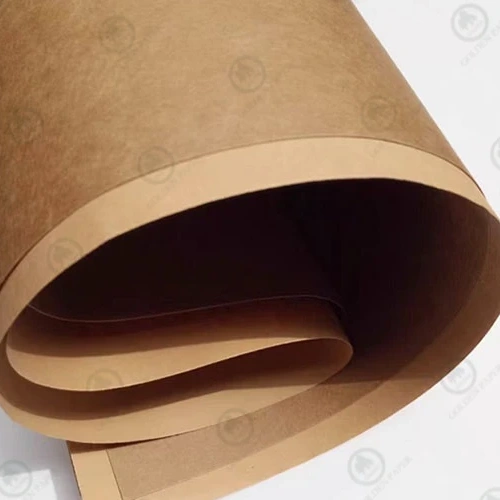
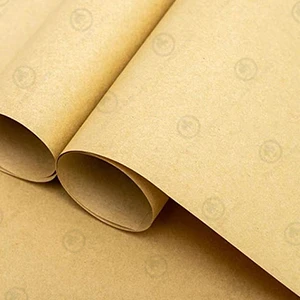
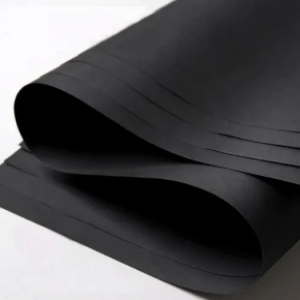



.webp "Digital Transfer Paper/Sublimation Paper")



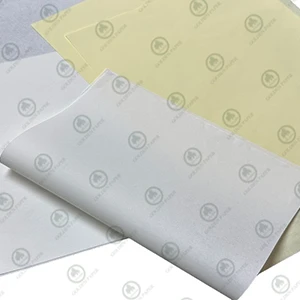

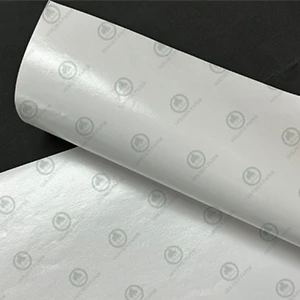
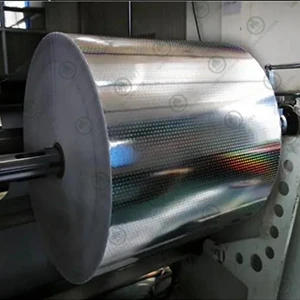
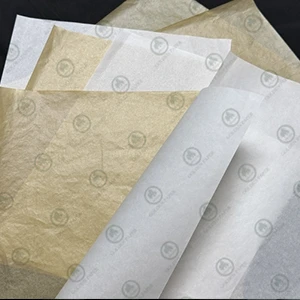


In the paper industry, pulp and paper are closely related but distinctly different. Many professionals in printing, packaging, cultural paper, or specialty paper have a general idea of their connection but may not fully understand their definitions, production processes, and applications. Knowing the difference between pulp and paper helps in selecting the right material and understanding the supply chain. This guide explains both in detail so you can find reliable paper mills for your sourcing needs.
Simply put, pulp is the raw material used to make paper, while paper is a finished sheet produced from pulp. They differ in production methods, physical properties, and applications. For buyers, understanding the difference between pulp and paper helps determine whether to source raw pulp or finished paper products based on their processing capabilities and end-use requirements.
Pulp
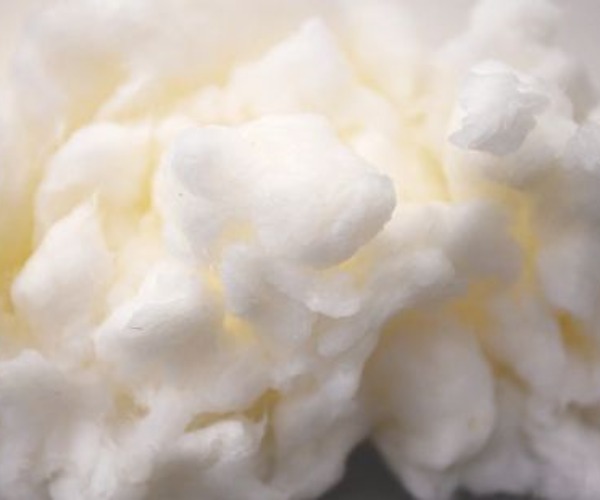
Pulp is made by processing plant fibers — usually wood, bamboo, or grasses — using mechanical, chemical, or semi-chemical methods. The fibers are separated and suspended in water to form a slurry. Pulp is primarily used as a raw material for producing paper, paperboard, tissue, and related fiber products; it serves as the raw material for producing paper, paperboard, and related products. Common pulp types include wood pulp, bamboo pulp, and recycled pulp, with different fiber characteristics, costs, and performance depending on the intended application.
Paper
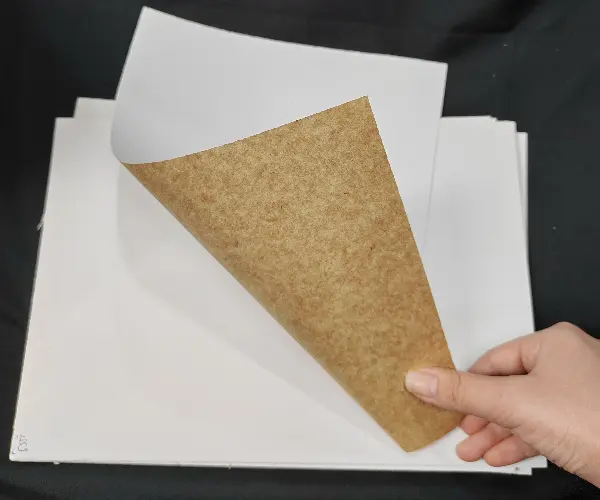
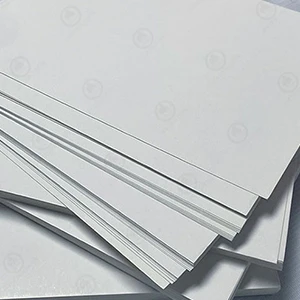
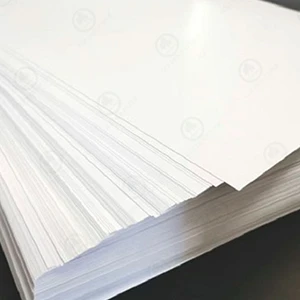
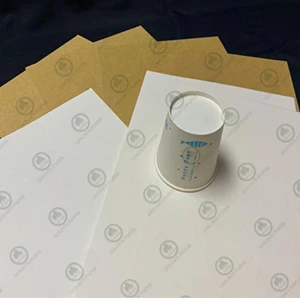
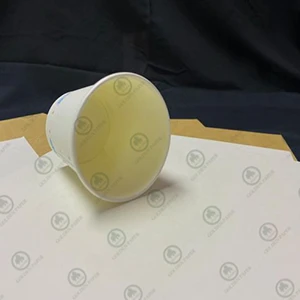
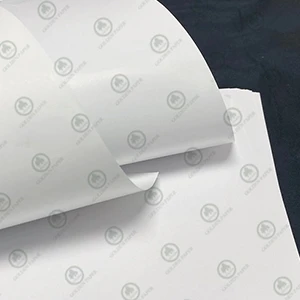
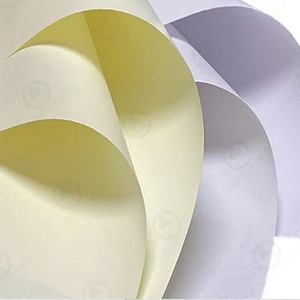
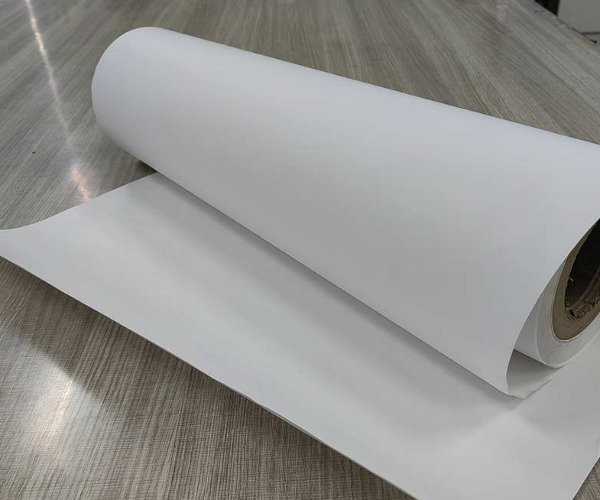
Paper is made from pulp through forming, pressing, drying, and finishing. It can be cultural printing paper, packaging paper, tissue, food-grade board, or specialty paper. Each type has different strength, surface properties, and uses. The performance of each paper type depends on the fiber composition and paper coating process, which influence smoothness, brightness, and printability. Buyers typically select finished paper products based on requirements such as printability, packaging strength, food safety, surface properties, and converting performance.
Pulp Production
Raw Material Preparation: Wood, bamboo, grasses, or recycled paper are cleaned and cut to the right size.
Mechanical Pulping: Separates fibers mainly through mechanical processing and retains more lignin. It generally provides high fiber yield and is commonly used for applications where bulk and opacity are important.
Chemical Pulping: Uses chemicals under controlled heat and pressure to remove much of the lignin and separate cellulose-rich fibers, producing pulp with good strength and durability.
Semi-Chemical Pulping: Combines partial chemical treatment with mechanical refining, offering a balance between cost, stiffness, and strength.
Bleaching or Unbleached: Chosen based on final brightness needs; unbleached pulp often gives higher stiffness.
Different pulp production processes directly influence fiber strength, brightness, and yield, which in turn affect the performance and cost of the final paper products supplied by paper mills.
Paper Production
Pulp Preparation: Mixing pulps of different types and refining levels, adding fillers, sizing agents, strength enhancers, and colorants.
Air Removal & Screening: Removes trapped air and fine impurities to improve sheet quality and protect machinery.
Sheet Forming: Diluted pulp is evenly spread on the forming wire, where water drains and fibers interlock.
Pressing: Mechanical pressure removes more water and improves sheet density and strength.
Drying: Heated cylinders evaporate remaining moisture to about 5–8%.
Calendering: Smooths and flattens the sheet, improving gloss and controlling thickness. Each stage of paper production affects the final sheet quality, so maintaining consistency is essential for high-grade products such as art paper, ivory board, and food-grade packaging paper.
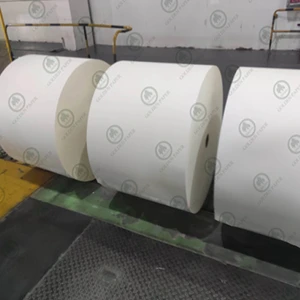
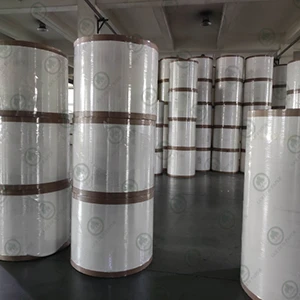
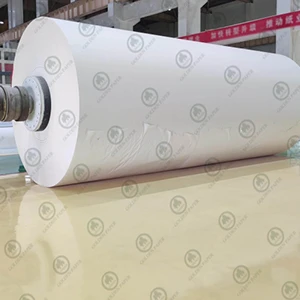
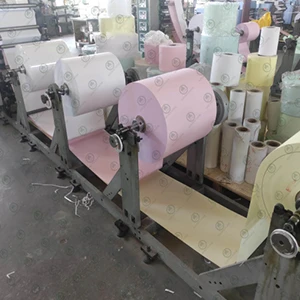
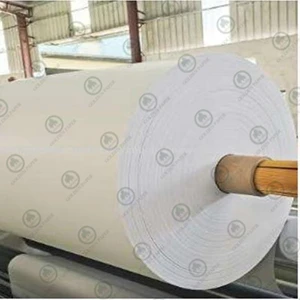
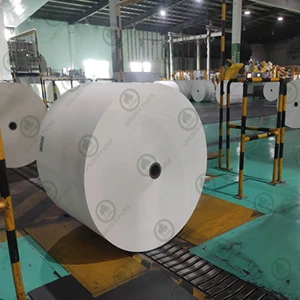
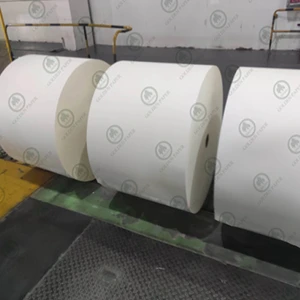
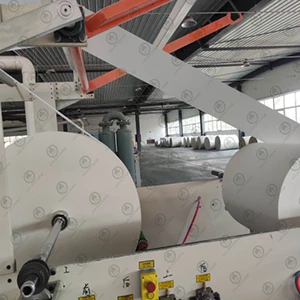
Reeling: The finished sheet is wound into large rolls for cutting.
For high-end applications, such as coated paper, ivory board, and food-grade packaging paper, precise control of each papermaking stage is essential to ensure stable quality and consistent performance.
Pulp Applications
Used for producing paper, paperboard, and as an export commodity. Bleached chemical pulp is common for high-quality printing paper; unbleached kraft pulp is popular for kraft liner and food-grade paper. Some pulp is also used in textiles or specialty fiber products. With the rise of eco-friendly packaging materials, demand for unbleached kraft pulp and recycled fiber pulp is increasing in markets like food packaging and corrugated board.
Paper Applications
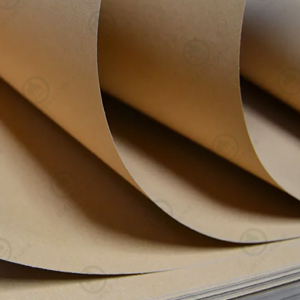
Covers printing, books, packaging, food containers, industrial liners, medical supplies, and art. Examples include offset paper for books, kraft paper for heavy packaging, thermal paper for receipts, and coated board for food packaging. Many converters and distributors also source specialty paper and paperboard directly from Chinese paper mills for customized solutions in printing and packaging.
Pulp is a high-moisture fiber suspension with key metrics like fiber length, brightness, yield, and freeness. Paper is a solid sheet with measurable grammage, thickness, bulk, smoothness, and tensile strength, influenced by both pulp quality and papermaking processes. These physical parameters are key quality indicators in paper testing and paper quality control, ensuring that each batch meets the standards for printing, converting, and export.
With growing global demand for sustainability, pulp production is shifting toward cleaner, more efficient methods, while paper products are becoming more diverse and functional. Understanding the fundamental differences between pulp and paper will help you make better sourcing choices. Contact Golden Paper for tailored solutions that fit your business needs.