EN
EN
 fr
fr  de
de  es
es  it
it  ru
ru  pt
pt  ar
ar  vi
vi  tr
tr  id
id 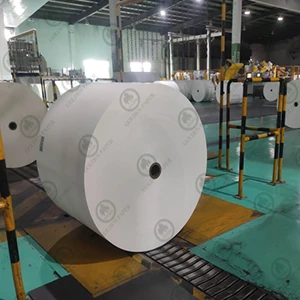
Phone:
0086 27 688745330086 18049845758
 GOLDEN PAPER

.webp "Digital Transfer Paper/Sublimation Paper")
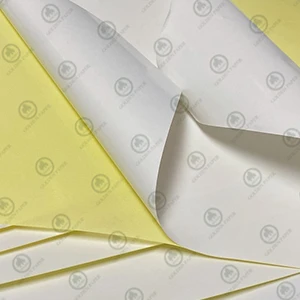
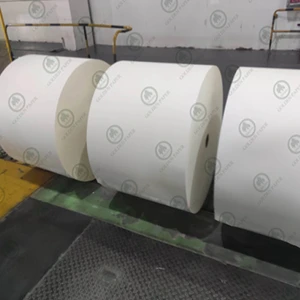

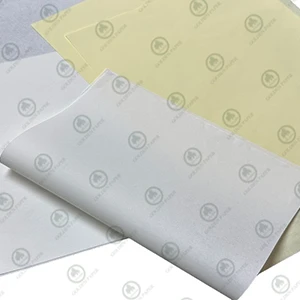

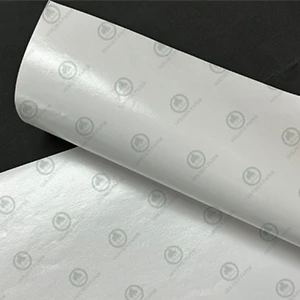
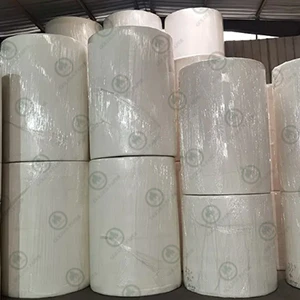
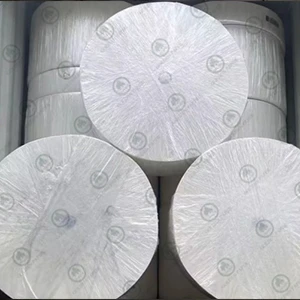

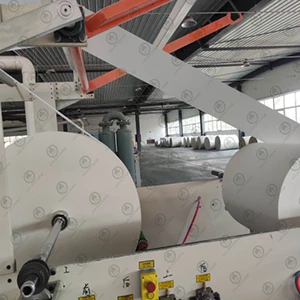
Did you know that although carbonless base paper does not directly participate in the color-forming reaction, it plays a critical role in determining how well the functional coatings adhere to the paper surface. It also affects the final copy quality, durability, and service life of carbonless copy paper. Understanding carbonless base paper can help you make better purchasing decisions when sourcing raw materials for carbonless paper production.
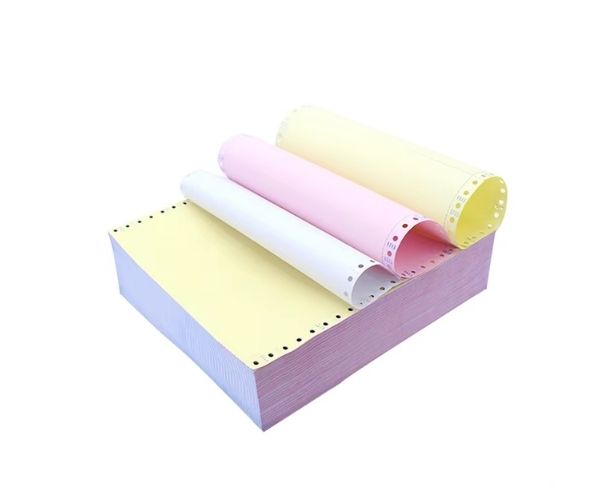
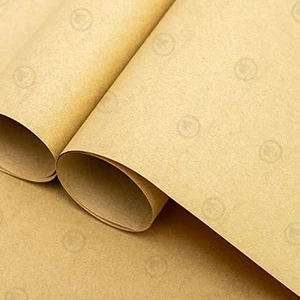
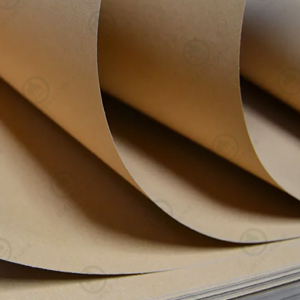
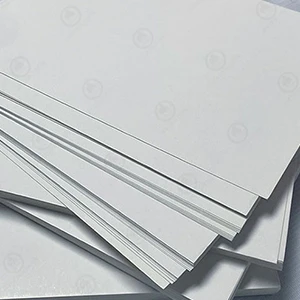
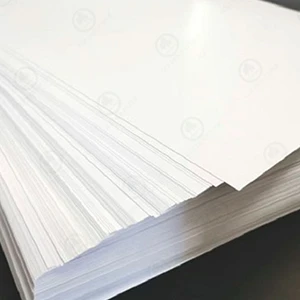
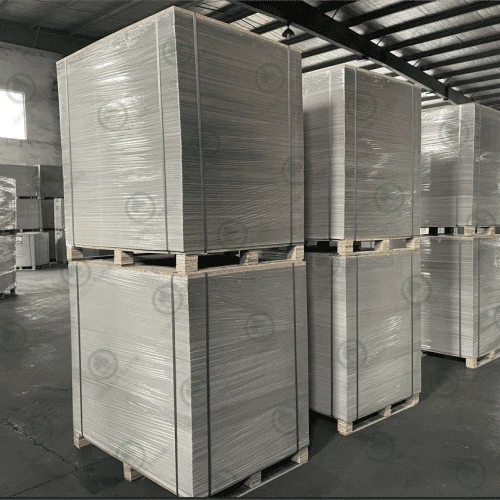
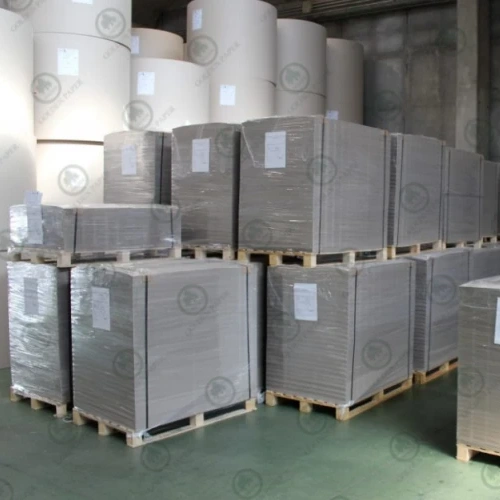
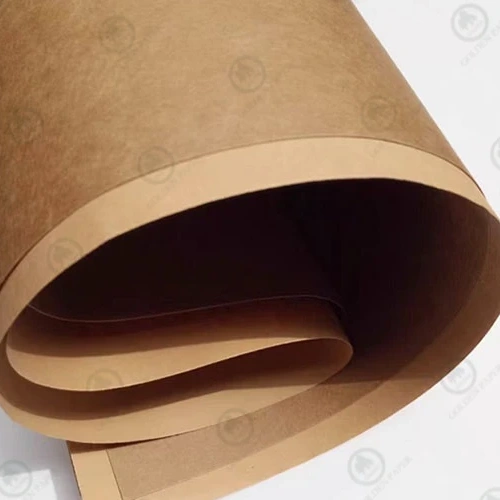
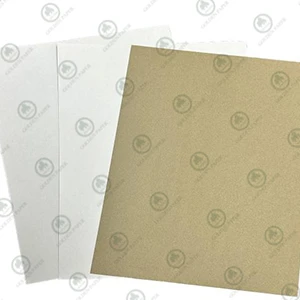
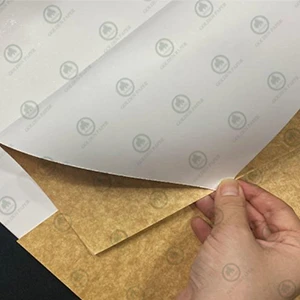
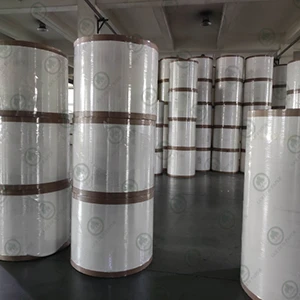
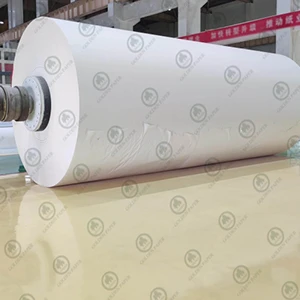
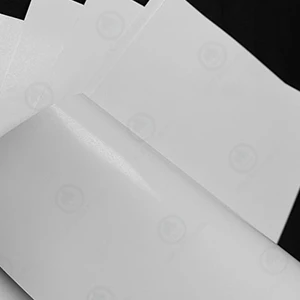
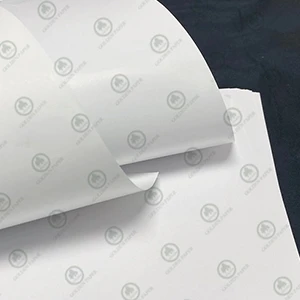
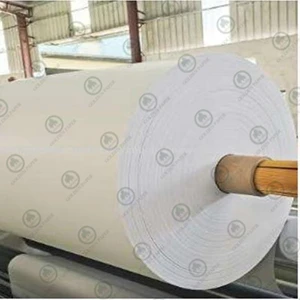
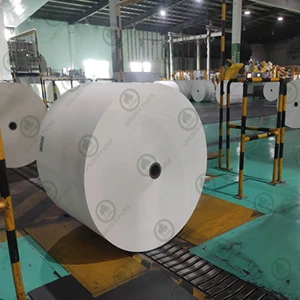
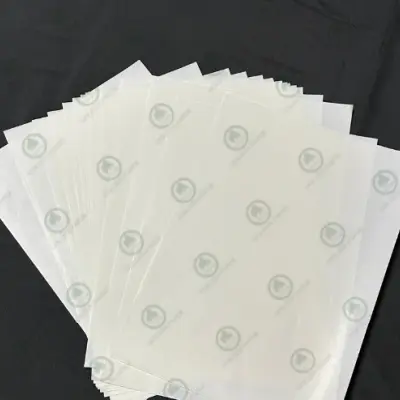
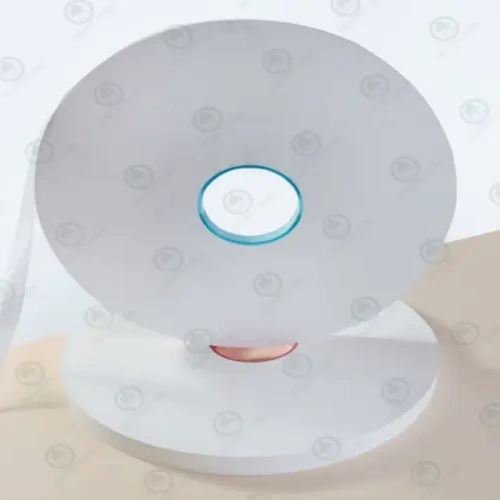
Carbonless Base Paper is the foundation paper used to manufacture carbonless copy paper (NCR paper). After being produced in a paper mill, it remains an untreated base paper that has not yet undergone any functional coating process. On its own, it has no copying capability and will not produce any color change when pressure is applied.
The image-forming function of carbonless paper comes from special chemical coatings applied during later processing stages. For example, one side of the paper may be coated with microcapsules containing color-forming agents, while another layer contains a color developer coating. When writing or printing pressure is applied, the microcapsules break and release dye that reacts with the developer, creating visible text or images.
For this reason, carbonless base paper can be considered the “framework” of the finished product. If the base paper quality is unstable, even high-quality coatings and advanced coating equipment may not deliver satisfactory copy performance. This is why leading carbonless paper manufacturers place strict requirements on base paper quality.
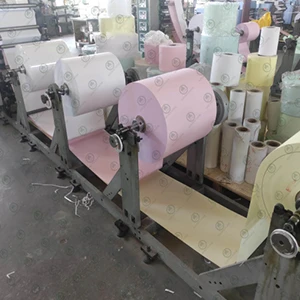
In the production process, carbonless copy paper typically goes through several stages, including base paper manufacturing, surface treatment, functional coating, rewinding, and slitting. Among these steps, the base paper serves as the foundation that supports the coating layer.
When microcapsule coatings are applied to the paper surface, the paper must maintain excellent dimensional stability. If the sheet expands significantly after absorbing moisture or shrinks excessively during drying, the coating may crack, peel off, or create uneven image development.
At the same time, the paper must have controlled absorbency. Excessive absorption can cause coating materials to penetrate too deeply into the fiber structure, reducing the amount of active ingredients on the surface. Insufficient absorption may weaken coating adhesion. As a result, the fiber structure, pore distribution, and surface properties of the paper must be carefully controlled during production.
The image development speed, copy clarity, and long-term storage performance of carbonless paper are all closely related to the quality of the base paper.
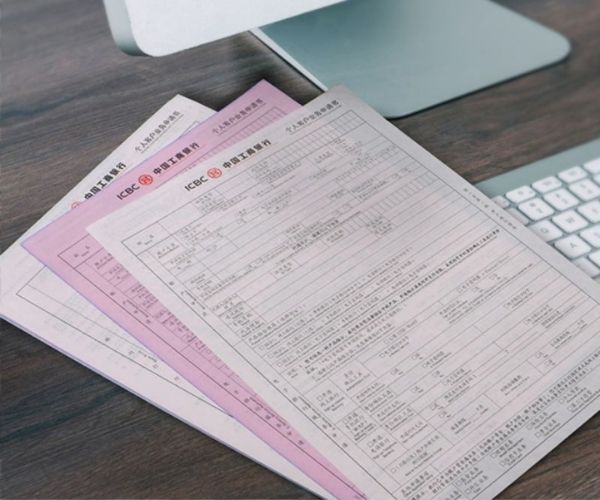
One of the most important characteristics of carbonless base paper is its dense and stable structure.
During coating operations, the paper is exposed to moisture and drying conditions. If the fibers are not firmly bonded, the sheet may deform when exposed to water. This can affect the distribution of microcapsules on the surface and reduce copy quality.
Industry standards generally require low cross-direction wet expansion and low drying shrinkage, with the combined value typically controlled within 2%. This helps maintain paper stability throughout manufacturing and end-use applications, ensuring consistent image formation.
For documents that require long-term storage, stable paper structure also minimizes curling and deformation, improving readability over time.
The coating layer used in carbonless paper is typically only a few dozen microns thick, making surface smoothness extremely important.
If the paper surface is too rough, coating materials may accumulate unevenly, creating variations in coating thickness. This can negatively affect image quality and increase production waste.
High-quality carbonless base paper provides a uniform surface structure that allows microcapsules to be distributed evenly. As a result, the finished carbonless paper produces sharp and consistent copies.
A smoother surface also helps reduce linting and dust generation while improving printing performance.
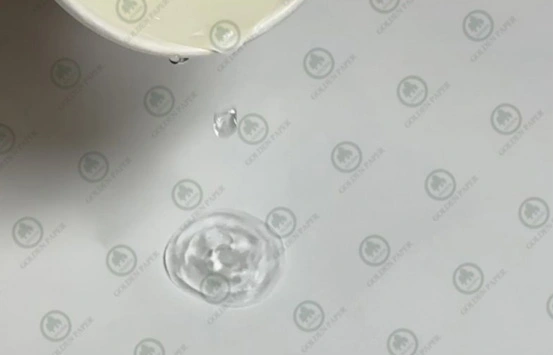
Although carbonless paper is not a waterproof product, its base paper must still offer a certain level of water resistance.
During the coating process, large amounts of water-based coating materials come into contact with the paper surface. If the paper swells rapidly after absorbing moisture, coating quality and dimensional stability may be compromised.
In real-world applications, shipping documents, invoices, and business forms are frequently exposed to humidity. Proper water resistance helps the paper remain flat and minimizes performance issues caused by moisture.
Carbonless paper requires a high-quality appearance. Defects such as holes, wrinkles, formation problems, or excessive pinholes can become more noticeable after coating. For example, pinholes may prevent a complete coating layer from forming, leading to areas that fail to develop images correctly. Surface damage can also directly affect usability.
Therefore, manufacturers must carefully control both papermaking processes and quality inspection procedures to ensure consistent product quality.
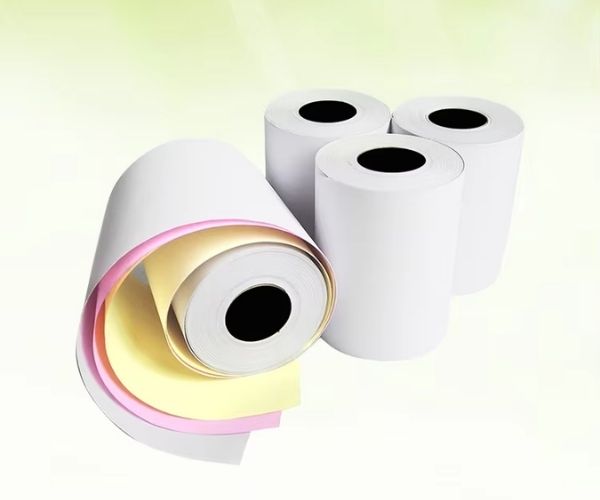
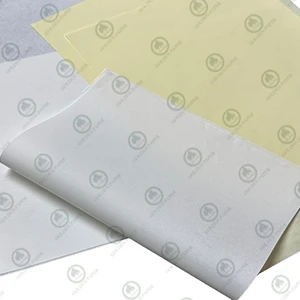
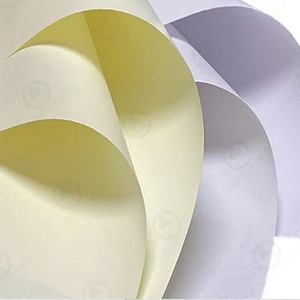
Carbonless copy paper usually consists of multiple layers, each performing a different function. As a result, different grades of carbonless base paper are designed for specific coating applications.
CB stands for Coated Back and refers to the top sheet coated on the back side with microcapsules. This grade requires good strength and printability so that it can withstand writing pressure while protecting the microcapsule layer.
CFB stands for Coated Front and Back and is used as the middle sheet. Since both sides require coating, this grade demands higher surface uniformity and smoothness.
The middle sheet must receive pressure information from the upper layer and transfer it to the next layer, requiring a balance between image performance and mechanical strength.
CF stands for Coated Front and refers to the bottom sheet coated with a color developer layer on the front side.
This grade focuses more on image uniformity and surface performance to ensure clear and complete image formation.
Although CB, CFB, and CF papers all belong to the carbonless base paper category, they may differ in basis weight, fiber composition, and surface treatment to meet specific coating requirements.
As environmental regulations become stricter and demand for high-quality office paper continues to grow, carbonless base paper is evolving toward greater sustainability and higher performance.
Modern paper manufacturers are placing increasing emphasis on efficient fiber utilization. By optimizing pulp blends and papermaking processes, they can improve paper strength while reducing resource consumption.
At the same time, the widespread adoption of high-speed coating equipment is driving continuous improvements in base paper quality. Only papers with superior dimensional stability and surface properties can meet the efficiency and quality requirements of modern production lines.
In the future, carbonless base paper will need to deliver not only excellent converting performance but also higher standards of environmental responsibility, safety, and sustainability.
In summary, carbonless base paper is the most fundamental and critical material used in the production of carbonless copy paper. Although it does not directly create the image, it determines coating stability, copy clarity, storage performance, and overall durability. If you are looking for high-quality carbonless base paper for further processing, feel free to contact Golden Paper for samples and quotations. We also supply finished carbonless copy paper (NCR paper) to customers worldwide.
.webp "2026 Global Paper Market Outlook: Key Trade Changes Every Paper Buyer Should Know")