EN
EN
 fr
fr  de
de  es
es  it
it  ru
ru  pt
pt  ar
ar  vi
vi  tr
tr  id
id 

Phone:
0086 27 688745330086 18049845758
 GOLDEN PAPER

.webp "Digital Transfer Paper/Sublimation Paper")

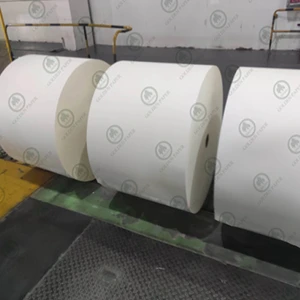

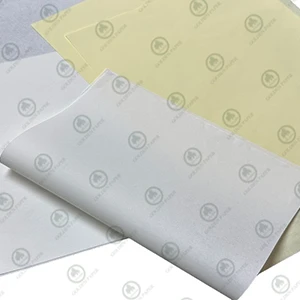

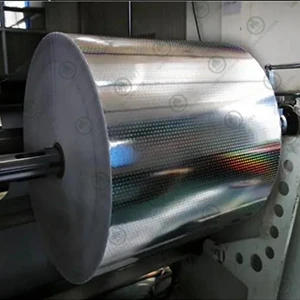


In the packaging paper and industrial paper industry, MG Paper and MF Paper are two common paper types. Many buyers focus on price first when sourcing paper, but the real differences between them go far beyond cost. These two papers differ in production process, surface appearance, converting performance, and end-use applications. Understanding these differences can help you choose the right packaging paper for your actual product requirements.
MG Paper (Machine Glazed Paper) and MF Paper (Machine Finished Paper) are both industrial papers with surface finishing treatment, but they are produced in different ways. Because of this, their surface appearance, performance, and converting adaptability are also quite different.
Simply speaking, MG Paper focuses more on single-side gloss and stable converting performance during processing, while MF Paper emphasizes overall balance and uniformity. As a result, they are commonly used in different packaging and printing applications.
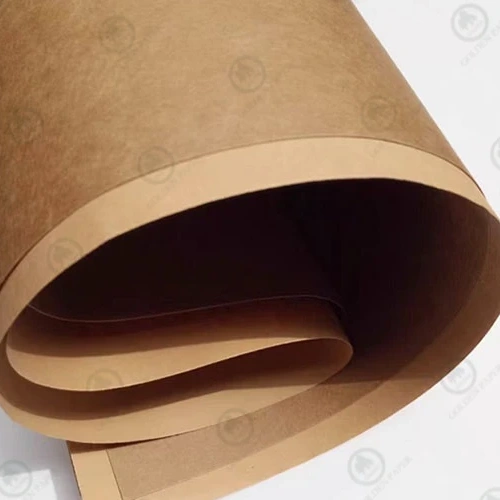
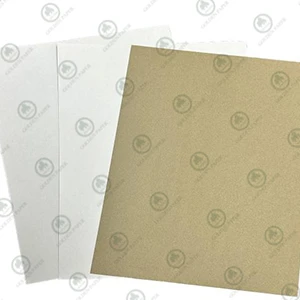
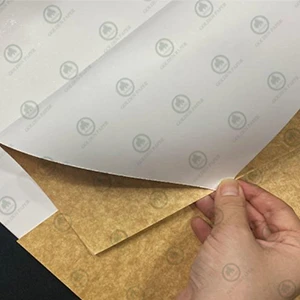
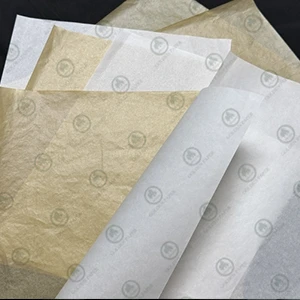
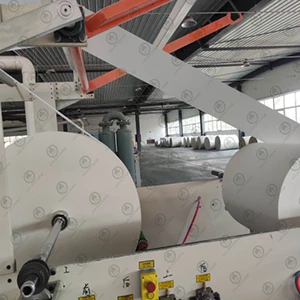
MG Paper is usually produced on a Yankee machine. During the drying stage, the paper sheet stays in close contact with a large Yankee dryer cylinder under high temperature. Since the cylinder surface is extremely smooth, the side touching the cylinder develops a noticeable glossy finish, while the other side keeps a more natural fiber texture.
This process changes not only the appearance of the paper, but also its converting performance during later processing stages. Many high-grade MG papers are developed specifically for demanding packaging applications.
For example, during high-speed bag making, the paper must maintain stable tension. If the surface friction is inconsistent, it can reduce machine efficiency. MG Paper usually performs better in this area, which is why it is widely used in food packaging paper and flexible packaging applications.
In addition, MG Paper also shows good adaptability in heat sealing, laminating, and PE coating processes. This is another important reason why many packaging manufacturers prefer MG Paper.
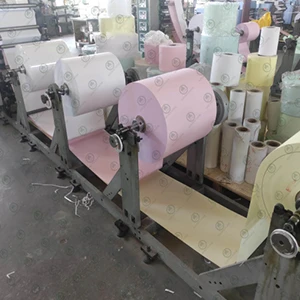
The production process of MF Paper is different from MG Paper. It is usually dried on a standard paper machine and then finished through a calendering process.
After calendering, both sides of the paper become relatively smooth, but the paper does not develop the strong single-side gloss that MG Paper has. Since it does not go through Yankee dryer treatment, the paper structure of MF Paper is more balanced and uniform.
This process is more suitable for general-purpose paper production, so MF Paper is commonly used in standard printing paper and basic packaging applications.
Compared with MG Paper, MF Paper usually does not require such high converting performance for complex processing. Therefore, the production focus is more on overall stability and general usability.
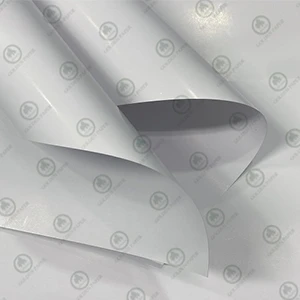
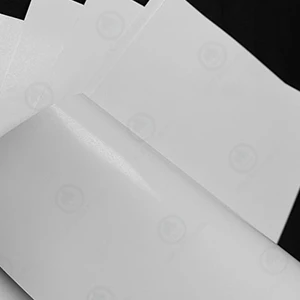
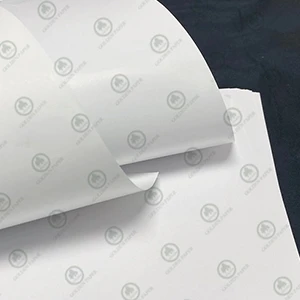
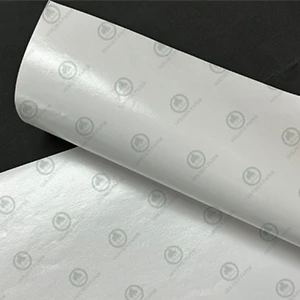
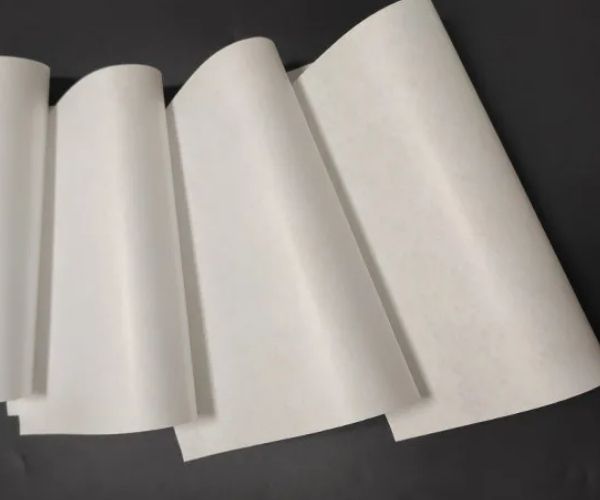
The most obvious feature of MG Paper is its strong single-side gloss. After Yankee dryer treatment, the glazed side provides a strong visual effect, making it very suitable for brand printing and packaging display. The other side keeps a natural paper feel. This structure is not a disadvantage. In fact, it can help during further converting processes.
For example, during lamination, a slightly fibrous surface often provides better material adhesion. During heat sealing or bonding, it can also deliver more stable converting performance.
Because of this, the difference between the two sides of MG Paper is actually a functional design, not simply an appearance difference.
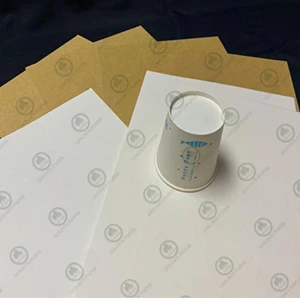
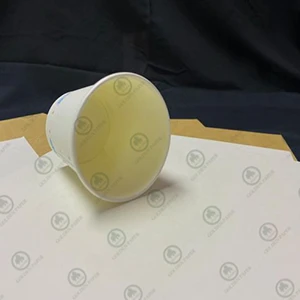
This structure is especially important in the food packaging industry. Many bakery bags and hamburger wrapping papers use MG Paper because it can provide both good printing performance and reliable packaging converting performance.
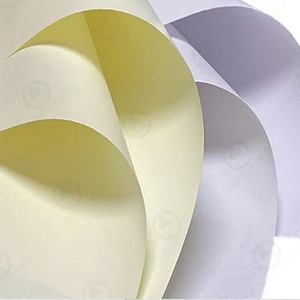
The smoothness of both sides of MF Paper is more similar, so the overall appearance is more uniform.
It does not create the strong gloss effect of MG Paper. Instead, it provides a softer and more natural paper surface. For standard printing applications, this surface quality is usually sufficient.
However, in some high-speed converting environments, MF Paper is generally less stable than MG Paper. Especially during frequent folding or fast bag making, MG Paper usually adapts better to machine operation.
Because of this, many packaging manufacturers choose between MG Paper and MF Paper based on the final application rather than only surface smoothness.
Because of its special drying process, MG Paper usually has good flexibility and breathability.
For example, in bakery packaging, the paper must allow some air permeability. Otherwise, moisture can build up inside the package and affect food quality. MG Paper performs well in these applications, which is why it is widely used for bread bags and fast food packaging paper.
At the same time, MG Paper is less likely to crack during folding, making it more suitable for complex packaging converting processes.
In addition, MG Paper also has advantages in barrier coating integration. As sustainable packaging demand continues to grow, more companies are replacing certain plastic packaging materials with MG Paper.
Today, many functional packaging papers use MG Paper as the base paper because it can balance converting efficiency and final packaging performance.
MF Paper usually has a denser paper structure, giving it a more solid overall feel.
Although it also has good smoothness, its breathability and flexibility are generally lower than MG Paper. For standard printing applications, this difference may not be significant, but in specialized packaging applications, the difference becomes more obvious.
For example, in packaging that requires frequent folding, MF Paper is usually less adaptable than MG Paper.
However, MF Paper is still highly practical in office paper and basic packaging applications. Many products do not require advanced converting performance, so MF Paper is already sufficient for normal use.
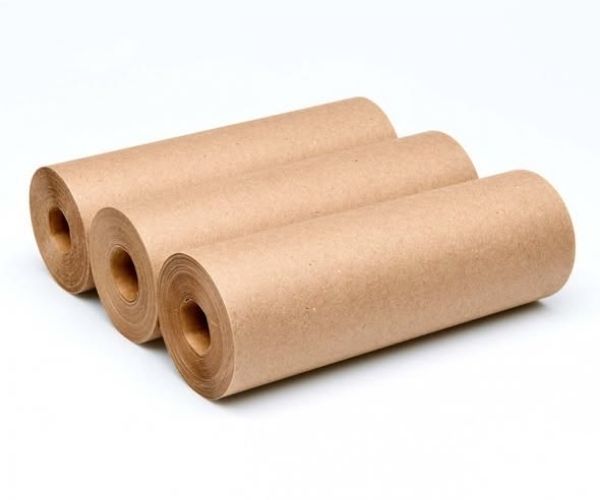
MG Paper is mainly used in applications that require high packaging converting performance, especially in the food packaging and flexible packaging industries.
Many packaging products not only require good printing results, but also need to adapt to high-speed converting processes. For example, bread bags and hamburger wrapping paper usually go through printing, folding, bag making, and heat sealing during production. If the paper surface friction is unstable, problems such as wrinkling, slipping, or misalignment may occur during machine operation.
Because MG Paper is produced with a Yankee dryer, its surface structure is more suitable for converting processes, helping maintain stable machine performance during high-speed bag production.
In addition, bakery packaging also requires a certain level of breathability. If the packaging is completely airtight, moisture can accumulate inside the package and affect product quality. MG Paper can maintain good surface smoothness while still providing proper air permeability. Because of this, it is widely used for bread packaging, flour bags, and fast food packaging.
Besides food packaging applications, many label papers, release liner base papers, and coating base papers also use MG Paper. These products often require lamination, silicone coating, or extrusion coating processes, and the surface structure of MG Paper is more adaptable to these converting requirements.
For many packaging manufacturers, the key reason for choosing MG Paper is not only its appearance, but also its ability to balance printing quality, machine efficiency, and converting adaptability.
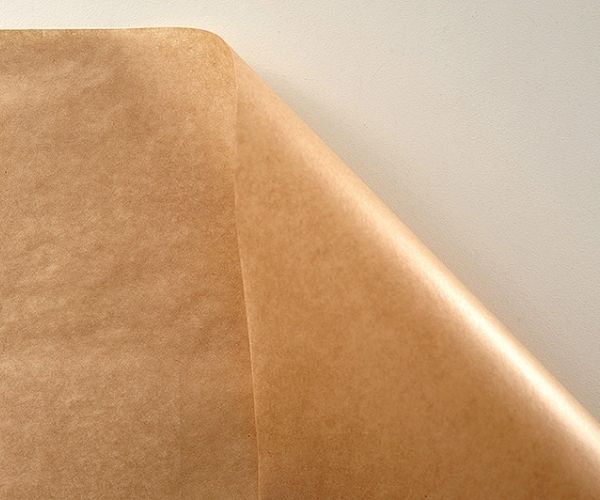
MF Paper is more commonly used in standard printing and basic packaging applications.
Since MF Paper is finished through regular calendering, both sides of the paper have relatively balanced smoothness, giving the paper a more uniform appearance. This makes it suitable for products that require consistent paper appearance but do not require complex converting performance.
For example, office paper and general printing paper usually do not go through high-speed bag making or heat sealing processes, so the requirements for flexibility and machine performance are much lower than in food packaging applications. In these situations, MF Paper is fully capable of meeting normal usage requirements.
In addition, some basic packaging liner materials also use MF Paper. These products focus more on basic protection performance rather than high gloss or advanced converting performance.
Compared with MG Paper, the production process of MF Paper is relatively simpler, so it offers certain cost advantages in many general-purpose applications.
Because of this, MF Paper is more suitable for applications focused on standard printing and daily packaging with lower converting requirements.
Although MG Paper and MF Paper are both industrial paper products, they have clear differences in production process, paper structure, and converting performance. If you are looking for MG Paper suppliers or MF Paper manufacturers, welcome to contact Golden Paper for quotations and samples.