EN
EN
 fr
fr  de
de  es
es  it
it  ru
ru  pt
pt  ar
ar  vi
vi  tr
tr  id
id 


Phone:
0086 27 688745330086 18049845758
 GOLDEN PAPER

.webp "Digital Transfer Paper/Sublimation Paper")
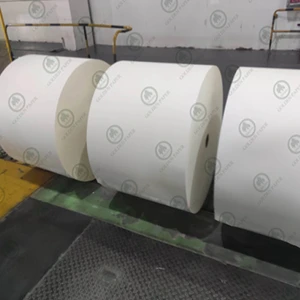

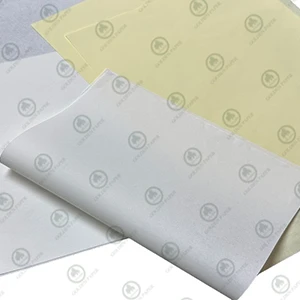

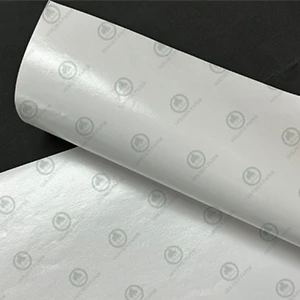
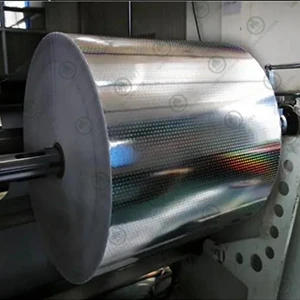
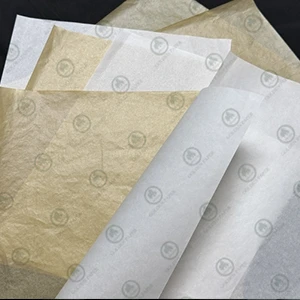
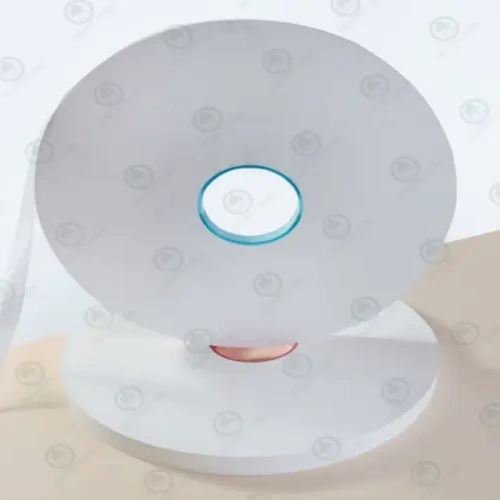
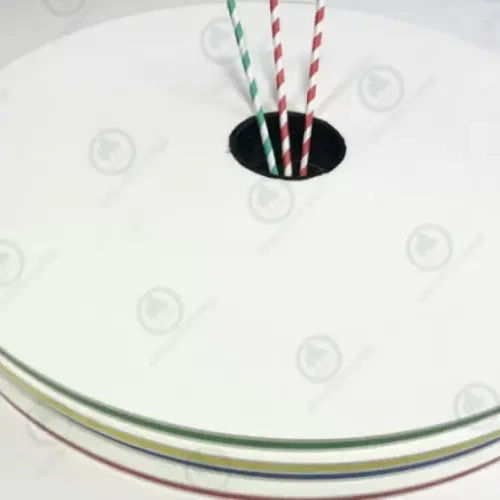
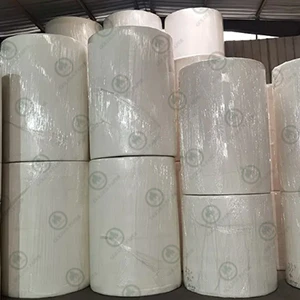
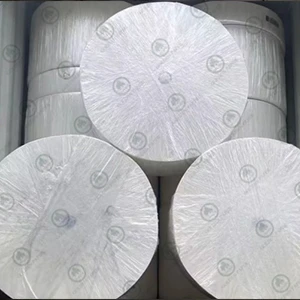

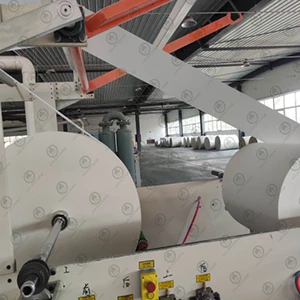
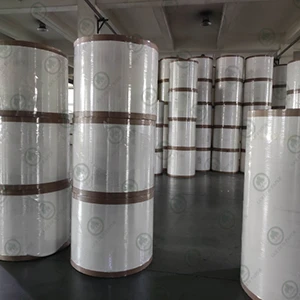
Parchment paper is widely used in food packaging, baking, printing, and industrial applications because of its unique processing method and balanced performance. For buyers, choosing a material that is safe, durable, and environmentally friendly is essential for improving product quality and customer experience. By understanding how parchment paper is made and why it performs so well, you can determine whether it fits your production needs and make more confident sourcing decisions.
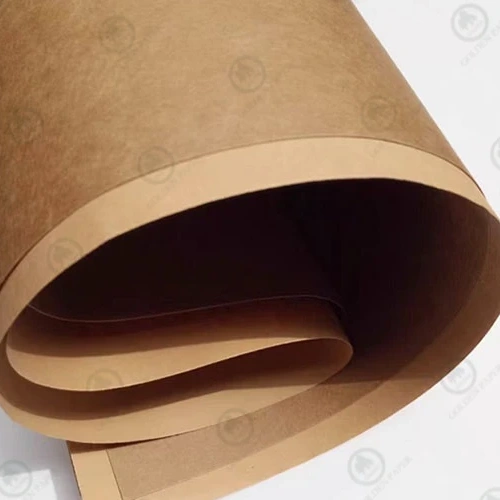
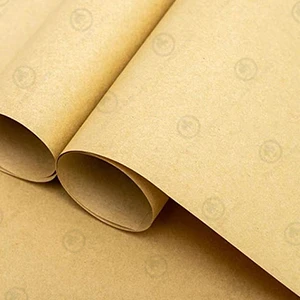
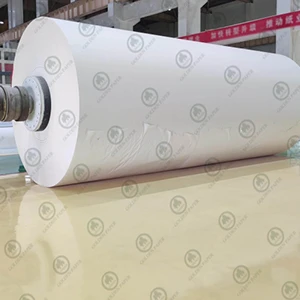
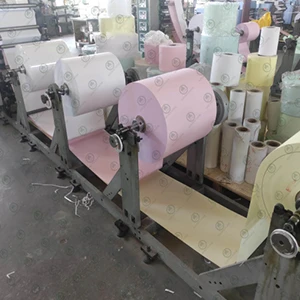
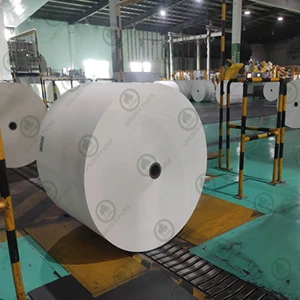
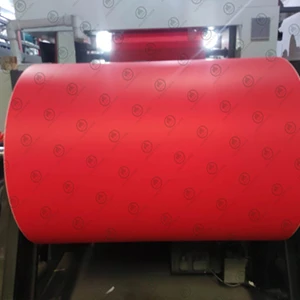
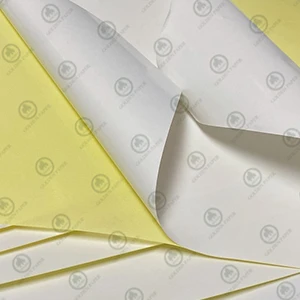
Parchment paper is made from cotton pulp or wood pulp. The surface fibers are briefly treated with sulfuric acid, which gelatinizes the cellulose. After neutralization, rinsing, and drying, the paper forms a dense, smooth, uniform structure with a natural translucent appearance. This “gelatinization and re-bonding” process gives parchment paper its high strength, water and oil resistance, temperature stability, and good workability. As a result, it is used for baking paper, food packaging, release paper, industrial liners, and printing applications.
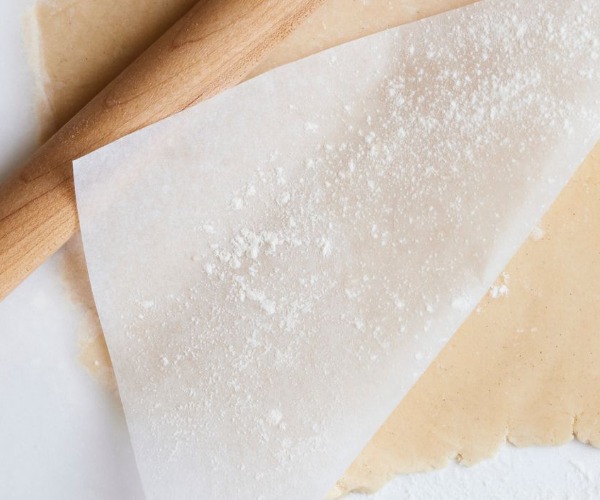
Its strength comes from the structural changes during acid treatment. The fiber surface swells, gelatinizes, and then solidifies tightly around the inner fibers during rinsing. This creates a film-like network with fewer pores and stronger internal bonding.
Because tear paths are harder to form, parchment paper resists puncture and tearing. It performs well when holding sharp items, heavy foods, or shaping baking molds without breaking.
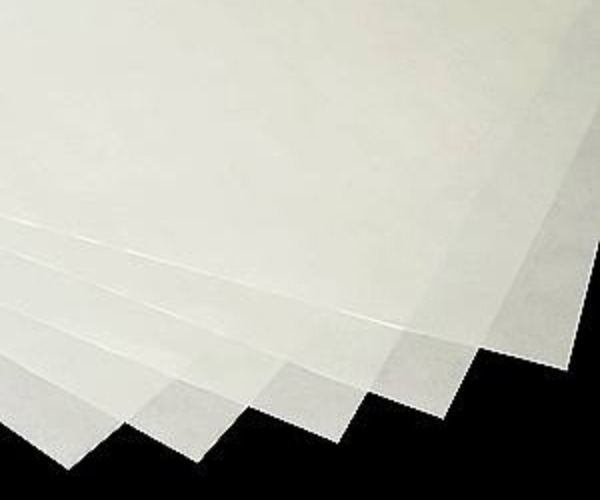
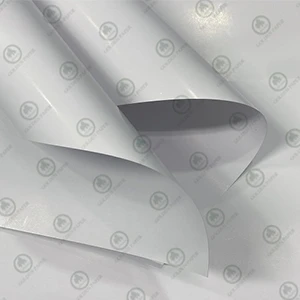
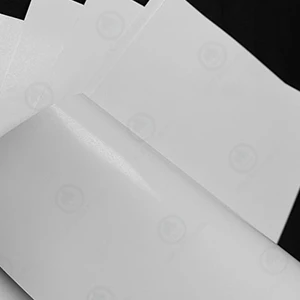
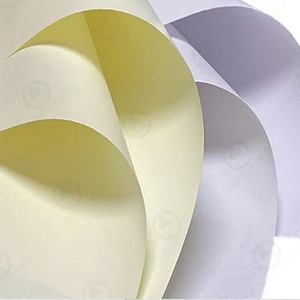
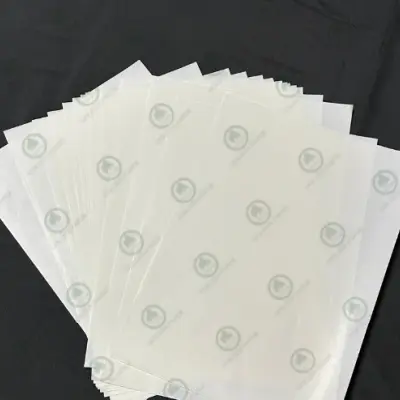
Parchment paper becomes translucent because the gelatinized fibers rearrange into a dense structure with reduced air gaps. Light passes through the compacted fibers, producing a soft, semi-transparent look.
This makes it suitable for retail packaging, baked goods, gift wrapping, and premium product displays where visual appeal is important.
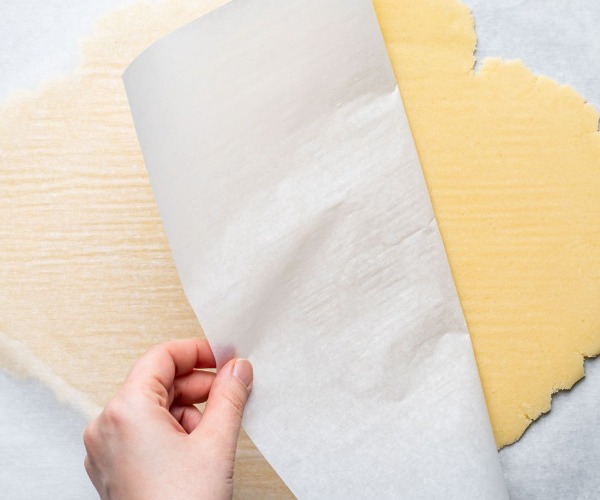
The waterproof performance comes from the continuous gelatinized layer on the fiber surface and the reduced porosity of the sheet. The dense structure blocks moisture pathways and limits capillary absorption.
This allows parchment paper to maintain stability in humid environments, cold-chain logistics, or moisture-sensitive packaging without softening or deforming.
Parchment paper is naturally oil-resistant due to its compact fiber network—not because of wax or chemical coatings. The gelatinized fiber layer forms a tight barrier that prevents oil molecules from penetrating.
The higher crystalline cellulose content also lowers oil adhesion, reducing stains or grease spots. This makes parchment paper ideal for baked goods, chocolates, butter products, and oil-based cosmetics.
Parchment paper can tolerate both freezing and high temperatures. After treatment, the cellulose structure becomes more orderly and stable, allowing the sheet to resist curling or scorching at high heat.
Since it contains no resins, it does not melt or deform. It withstands temperatures up to about 450°F, making it suitable for ovens, air fryers, steaming equipment, and long-term freezer storage.
The dense fiber structure produced during acid treatment reduces air penetration, which slows flame spread and makes the paper harder to ignite.
This property improves safety in food processing, industrial packaging, and applications involving heat.
Sulfuric acid treatment naturally kills microorganisms on the pulp surface. After complete neutralization and thorough washing, the finished paper is odorless, safe, and free of chemical residues.
This makes parchment paper suitable for food-contact packaging, medical-related uses, and clean production environments.
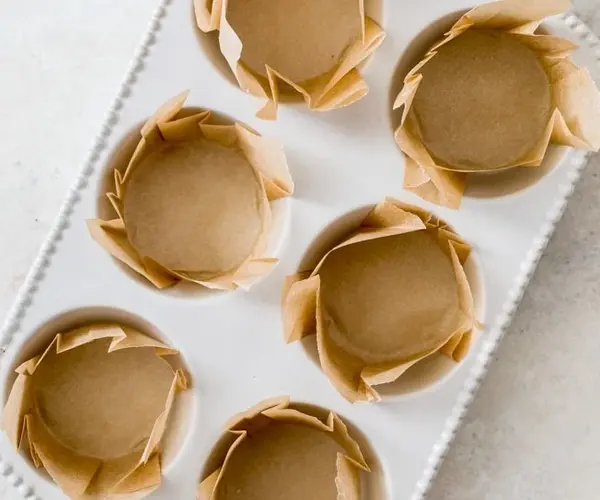
The smooth, dense surface allows clear printing for branding, ingredient labels, and decorative packaging.
Parchment paper is durable in cutting, folding, molding, and heat-press forming, enabling the production of baking cups, liners, dividers, and release materials. Its dimensional stability also supports fast automated packaging lines.
Parchment paper is made from natural plant fibers and contains no plastic. It is biodegradable after use.
Modern production systems reuse the acid solution, reducing waste and overall environmental impact. As sustainability becomes a global priority, parchment paper helps brands strengthen their eco-friendly image.
With its exceptional strength, water and oil resistance, heat stability, low flammability, and hygienic properties, parchment paper has become a preferred choice for food packaging, baking, and industrial applications. As sustainability and safety standards continue to rise, parchment paper will play an even greater role across industries. If you are looking to source high-quality paper materials, feel free to contact Golden Paper for quotations and samples.