EN
EN
 fr
fr  de
de  es
es  it
it  ru
ru  pt
pt  ar
ar  vi
vi  tr
tr  id
id 


Phone:
0086 27 688745330086 18049845758
 GOLDEN PAPER

.webp "Digital Transfer Paper/Sublimation Paper")
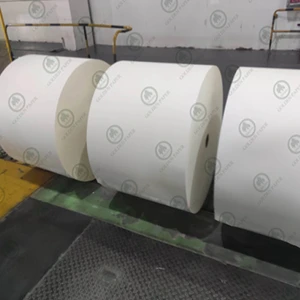

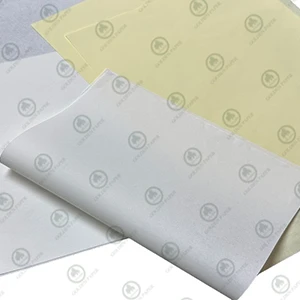

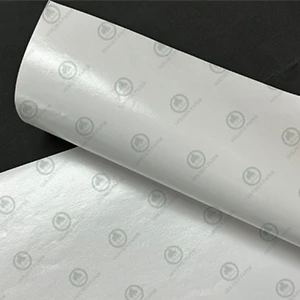
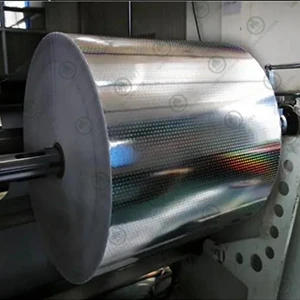
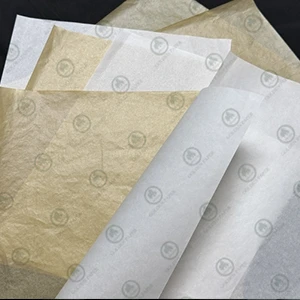


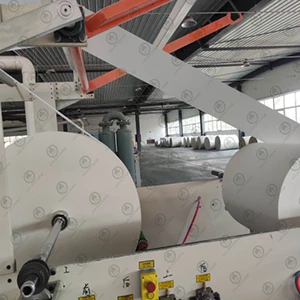
In print production, you’ve likely seen this happen: same product, same ink set, same machine—yet different batches show noticeable color differences. For printing buyers, paper-related variations are often the most overlooked factors, but they are also the most common cause of color shifts. Paper is not a completely uniform material. Its brightness, smoothness, gloss, ink absorption, porosity, and chemical stability all directly affect the final printed color. Understanding these key properties helps you control color risks at the purchasing stage and reduce production instability.
Among all paper attributes, brightness has the most direct impact on printed color. If the brightness varies between batches, the final color will naturally shift.
Brightness isn’t just about being “whiter” or “more yellow.” The base tone of the sheet interacts with the ink color. Low-brightness papers—such as recycled grades—often have yellowish or grayish undertones, which make printed colors look darker and less saturated.
For example:
Printing blue on a yellowish sheet shifts the color toward green.
Printing red on the same sheet makes it look more orange.
If you need consistent colors across batches, the safest approach is to keep brightness—especially ISO brightness—within the same range. For high-end brands, mixing papers with different brightness levels should be avoided to prevent color rejection.

Paper smoothness and gloss affect ink adhesion, ink laydown, and how light reflects off the surface. These are essential factors when judging a paper’s printability.
Higher gloss papers produce higher gloss printed results. Matte surfaces create softer visuals with lower density. The smoother the sheet, the easier it is for ink to form a uniform ink film, resulting in better color density and clarity. Even with the same ink thickness, high-gloss coated paper delivers visibly stronger color.
If smoothness or gloss varies between batches, printed colors will shift as well—density differences, gloss differences, or even slight hue changes. For high-precision color work such as cosmetic packaging, cigarette boxes, or labels, consistent surface structure is crucial to avoid color variation complaints.
Ink absorption is one of the most common but often hidden causes of color differences. You may have already noticed this in your purchasing: offset paper, coated paper, and SBS board show completely different results even with the same ink. The root cause is ink absorption.
Highly absorbent papers—such as uncoated offset stock—pull ink vehicle into the sheet quickly. This leaves less pigment on the surface, producing lighter colors and lower gloss. Under the same ink conditions, density differences between different absorption levels can reach 0.2–0.3, which is unacceptable for color-critical brand work.
Ink acceptance is not only about absorption. It is also influenced by surface wettability, pore structure, and capillary action. Coating weight, coating formula, and coating uniformity also play major roles. Even if two papers look similar, variations in the coating layer can produce obvious color shifts.
As a buyer, you should pay attention to whether the paper is highly absorbent (such as offset paper), the uniformity and consistency of its coating, and whether the supplier can keep absorption properties stable across different batches. Maintaining stable ink absorption helps reduce color adjustment time and significantly improves production efficiency.
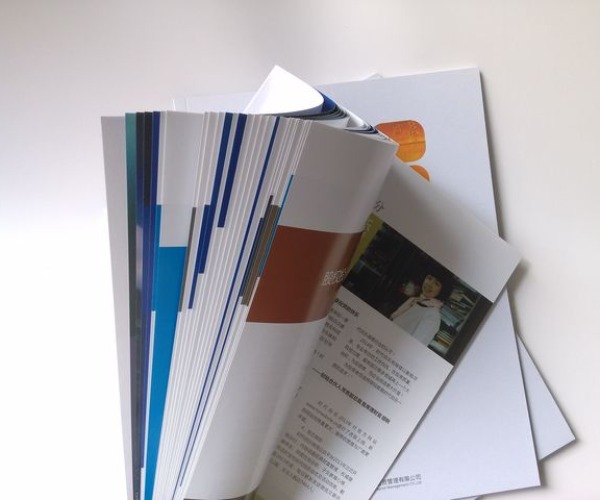
Paper acidity or alkalinity also affects long-term color stability. If you overlook this during purchasing, the print may look accurate at first but shift noticeably after storage.
Acidic paper (pH < 5.5) can react with the alkaline components in inks, causing pigments to change chemically over time—for example, cyan may shift toward green, yellow can become darker, and black may lose its purity. Although it often appears to be an ink issue, the real cause is usually the paper itself.
Neutral paper (pH 7 ± 1) keeps the cured ink layer more stable and reduces chemically induced color variation. For applications requiring strong color retention—such as food packaging, pharmaceutical packaging, and high-end marketing materials—neutral paper is the safer choice.
As a buyer in the printing industry, the paper you choose directly impacts production stability, color consistency, and how customers perceive your quality. Brightness, smoothness, gloss, ink absorption, porosity, and pH value are all key factors affecting color variation. If you want more stable and reliable color performance, feel free to request paper samples for testing or contact Golden Paper for relative recommendations and quotations. We’re here to support your production with dependable, high-quality solutions.