EN
EN
 fr
fr  de
de  es
es  it
it  ru
ru  pt
pt  ar
ar  vi
vi  tr
tr  id
id 
.webp "Global Label Market Continues to Expand as Demand for Sustainable Packaging Increases Meta Description")
Phone:
0086 27 688745330086 18049845758
 GOLDEN PAPER

.webp "Digital Transfer Paper/Sublimation Paper")
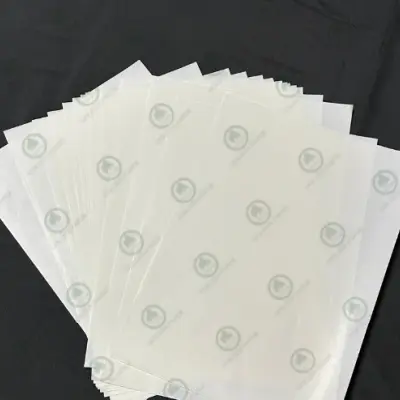
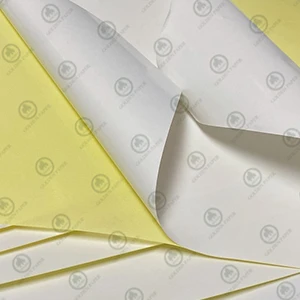
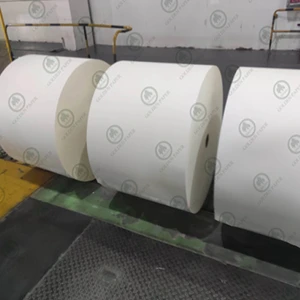

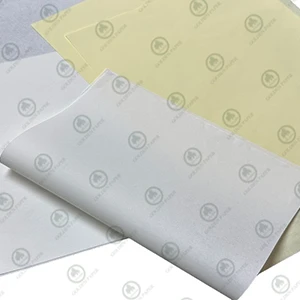

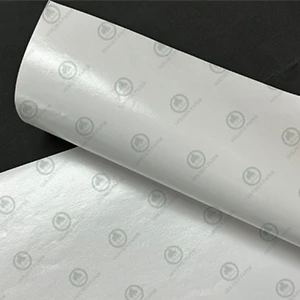
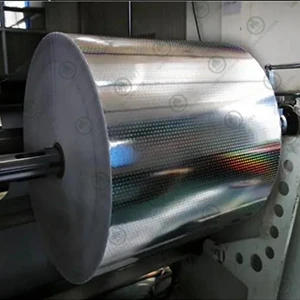
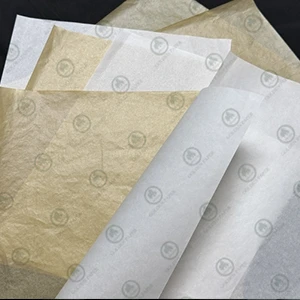
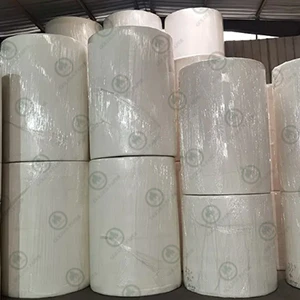
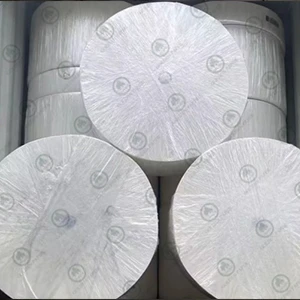

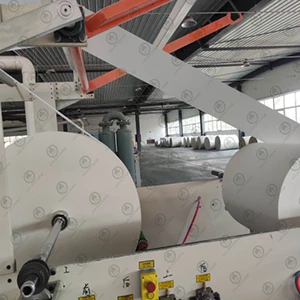
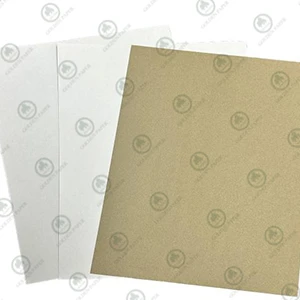
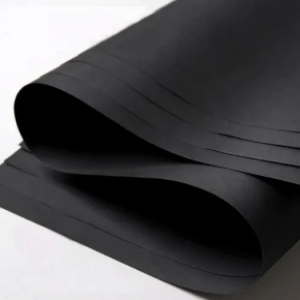
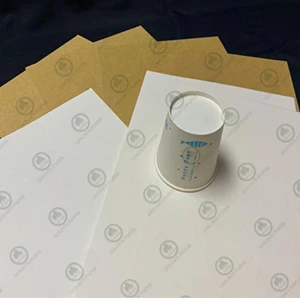
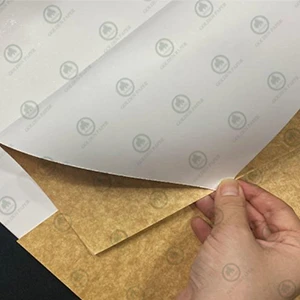
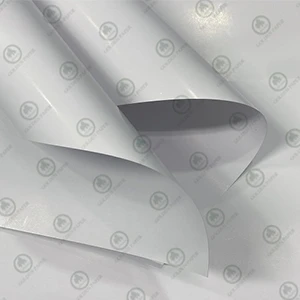
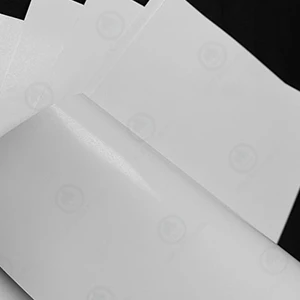
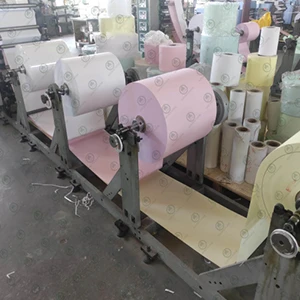
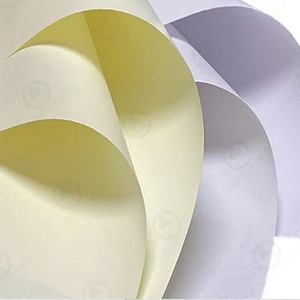
Whether in the printing industry or packaging production, most paper products rely on a coating layer — and the key material behind that layer is paper coating. Paper coating is a specialty formulation applied to the surface of paper to improve its appearance, printability, and barrier properties. It helps create a smoother surface, enhances color performance, and adds functional protection when needed. If you want to understand how coated paper achieves its performance, keep reading — this guide will walk you through the basics of paper coating materials.
Paper coating is mainly made of pigments, binders, and additives, each serving a different purpose.
They account for 80%–95% of the dry weight of the coating and are the most important factor affecting coated paper quality. Common pigments include calcium carbonate, kaolin clay, and titanium dioxide. Their role is to fill the gaps between paper fibers, smooth the surface, and improve brightness, opacity, and gloss. Pigments are especially important in thin papers like Bible paper, helping prevent text show-through.
Making up 5%–20% of the dry weight, binders hold pigment particles together and secure them to the paper surface. Common binders include starch, PVA, and latex, which affect the coating’s viscosity, film-forming ability, and water resistance.
Used at less than 2%, additives include dispersants, lubricants, water-resistant agents, and biocides. They help improve the coating’s stability, flowability, and overall performance.
Paper coating mainly enhances print performance, adds barrier properties, and improves the physical strength of the final paper.
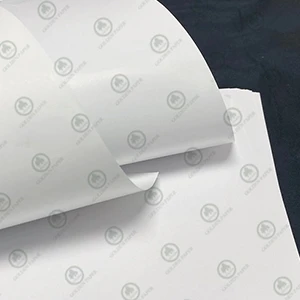
Coating fills surface voids and makes the sheet smoother, allowing better ink absorption and transfer, reducing issues like dusting and scumming during printing. Whether used in commercial printing or packaging that requires high-quality graphics, coated paper provides sharper images and more accurate color reproduction.
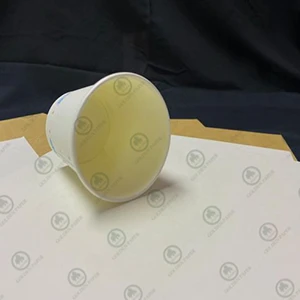
To achieve specific functional needs, mills may use special coating formulations. Some coatings form protective layers that resist water, oil, or moisture, making them ideal for food packaging and print protection.
Coatings can also improve abrasion resistance, foldability, and heat resistance, extending the paper’s usable life.
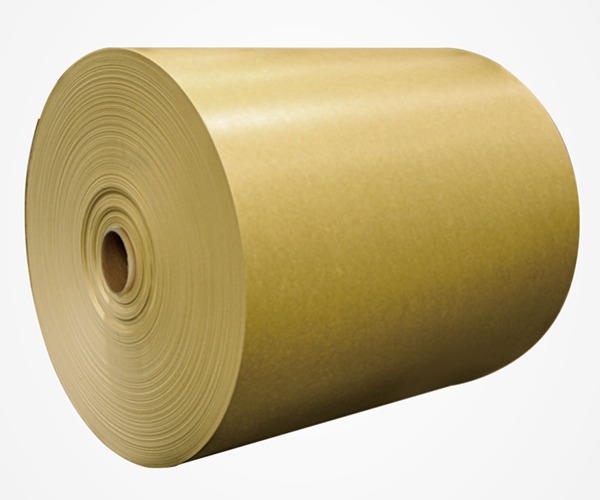
Different coating formulations give paper different functional properties. Below are the most common types and their typical applications.
Forms a waterproof layer that prevents moisture penetration. Commonly used in cartons, paper bags, and transport packaging to protect contents from humidity.
Prevents oil penetration, widely used in food packaging such as pizza boxes and fried-food wraps to stop oil stains.
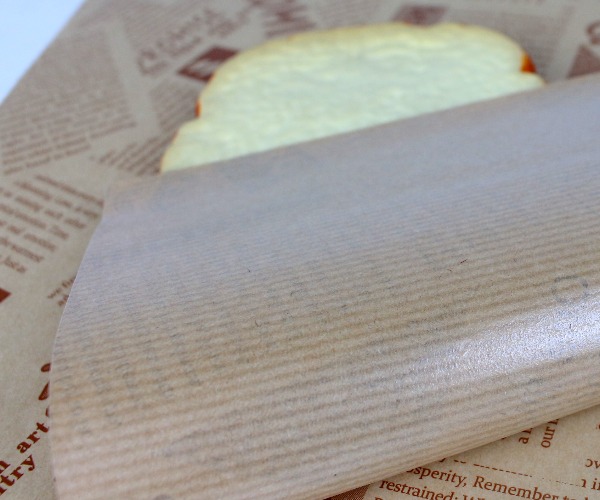
Applied on corrugated board to increase fiber bonding, improving box strength and compression resistance, helping reduce paper weight and flute count.
Blocks water vapor to keep contents dry. Suitable for tea, pharmaceuticals, and other moisture-sensitive goods.
Such as fire-retardant, anti-static, and release coatings, designed for industries requiring non-stick properties, static control, or added fire safety.
Compared with uncoated paper, coated paper delivers significantly higher smoothness, gloss, barrier performance, and strength. However, it still remains a paper-based material — the coating layer bonds with the paper fibers through chemical or physical mechanisms, becoming an integral part of the sheet instead of a simple surface film.
Paper coatings are essential in modern papermaking. With the right formulation and coating process, paper can achieve better print quality, stronger barrier performance, and improved durability while remaining safe and environmentally responsible. As technology continues to evolve, the applications and functions of coated paper will only expand. If you're looking to source high-quality coated paper for printing or packaging, feel free to contact Golden Paper for samples and pricing.