EN
EN
 fr
fr  de
de  es
es  it
it  ru
ru  pt
pt  ar
ar  vi
vi  tr
tr  id
id .webp "Digital Transfer Paper/Sublimation Paper")

Phone:
0086 27 688745330086 18049845758
 GOLDEN PAPER

.webp "Digital Transfer Paper/Sublimation Paper")
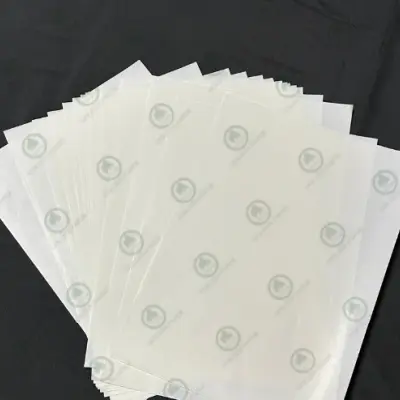
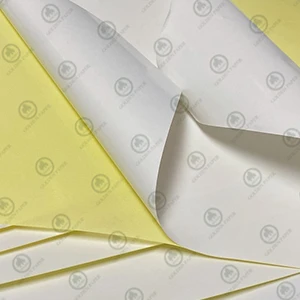
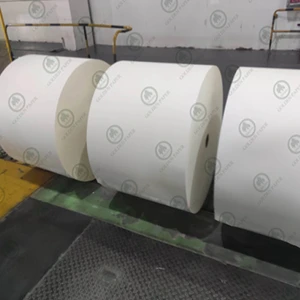

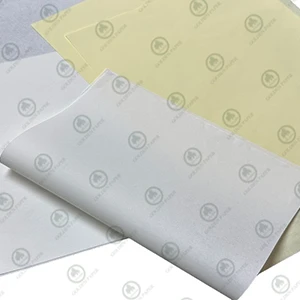

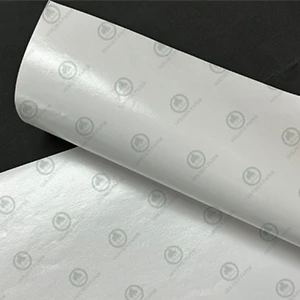
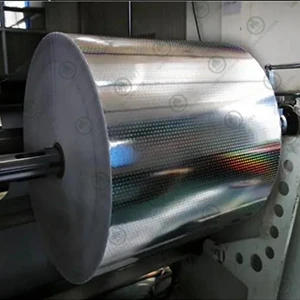
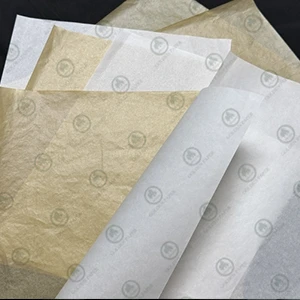
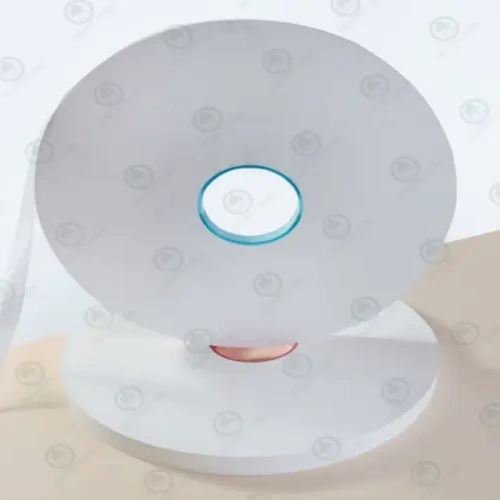
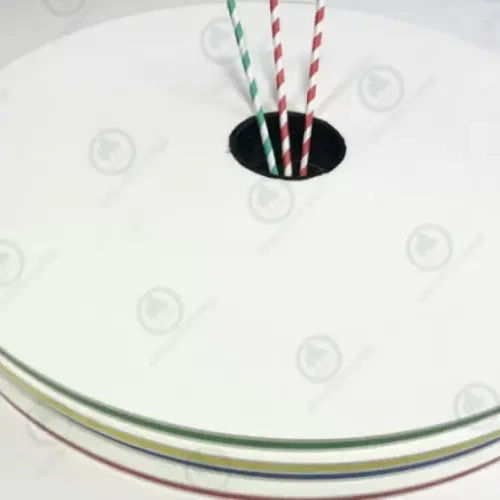
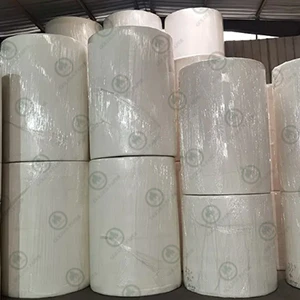
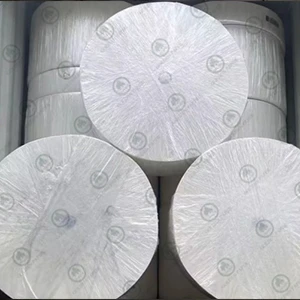

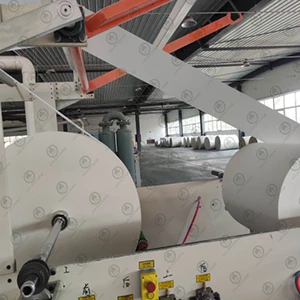
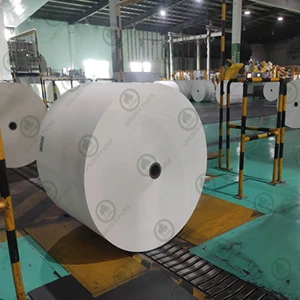
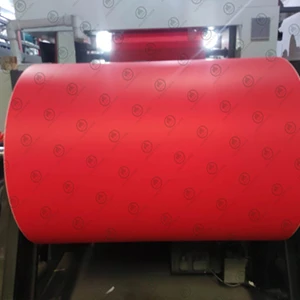
In food packaging and baking production, parchment paper and greaseproof paper are two of the most common materials. However, they differ significantly in structure, processing methods, and functional performance. For buyers and manufacturers, understanding these differences directly impacts cost control, packaging results, food safety, and production efficiency. This article gives you a clear comparison of their materials, performance, and application scenarios so you can make more accurate purchasing decisions.
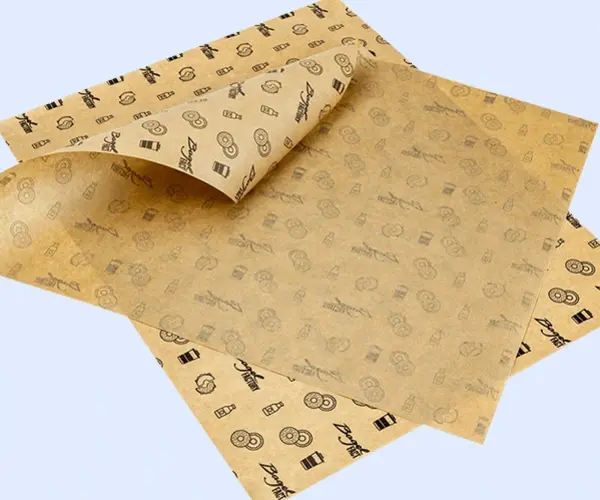
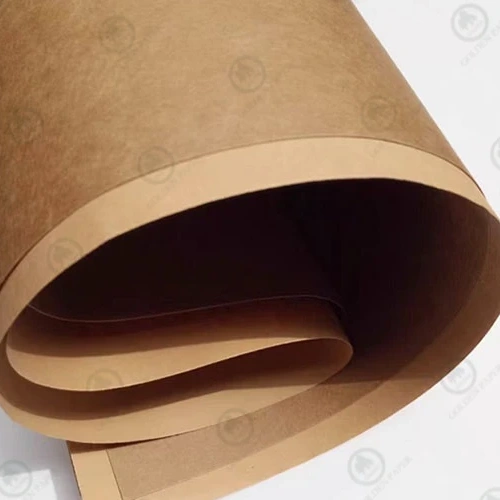
Parchment paper—also known as vegetable parchment—is made through a “sulfuric acid treatment” process. During production, base paper made from wood pulp or cotton pulp is briefly dipped into diluted sulfuric acid, which causes the surface fibers to gelatinize. After neutralizing, rinsing, and drying, the fibers bond again and form a dense, semi-transparent, film-like structure.
This special structure gives parchment paper its unique properties: semi-transparency, high strength, strong oil resistance, water resistance, low porosity, and excellent wet strength. Because the performance comes from structural transformation—rather than added coatings or chemicals—it offers stable, food-safe protection for a wide range of applications.
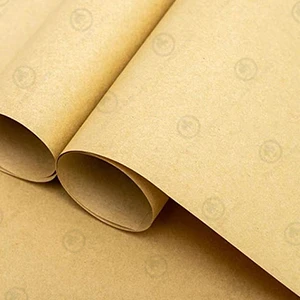
Greaseproof paper is generally made from chemical wood pulp, bamboo pulp, or other plant fibers. It achieves oil resistance by increasing sheet density through refining, internal sizing, and calendering. These steps compress the fibers and reduce pore size, blocking oil penetration.
Some greaseproof papers also include additives such as oil-repellent agents or sizing chemicals to improve performance. However, since they are not treated through the same gelatinization process used for parchment paper, their structure remains closer to that of conventional paper—just denser and better sized.
Oil Resistance: Parchment Paper Is Stronger and More Stable
Parchment paper’s dense, film-like fiber surface forms a near-continuous barrier that naturally blocks oil molecules. This makes its oil resistance long-lasting and reliable.
Greaseproof paper depends on sheet density and sizing agents. Under high heat or prolonged contact with oil, the sizing layer may weaken, reducing performance. This makes greaseproof paper better suited for room-temperature or medium-temperature uses.
Because parchment paper has extremely low porosity, water has difficulty passing through the sheet. Greaseproof paper has some water resistance, but since it does not form a true film structure, its wet performance depends heavily on sizing and may weaken in steam or moisture-rich environments.
Parchment paper can typically withstand 220–230°C (425–450°F), thanks to its stable, resin-free structure. It does not curl, burn easily, or release chemicals when heated.
Greaseproof paper is limited by the heat tolerance of its sizing layer. Many types may discolor or curl above 180°C (356°F), and oil resistance may decrease at high temperatures. As a result, it should not be used for long-term baking.
Parchment paper naturally offers a smooth, non-stick surface, preventing dough or baked goods from sticking. Greaseproof paper usually does not offer strong non-stick performance unless it includes an extra coating.
Parchment paper’s film-like structure gives it excellent tear resistance, puncture resistance, and wet strength.
Greaseproof paper loses strength quickly when wet, limiting its use in heavier or moisture-sensitive packaging.
Used for baking cakes, bread, cookies, and other items that require stable high-temperature performance.
Suitable for ovens, air fryers, steam cookers, and other cooking equipment because it does not curl, burn, or carbonize.
Provides natural non-stick release for dough, pastries, and baked goods, helping food detach cleanly.
Ideal for high-moisture or high-oil environments where strong oil resistance and water resistance are required.
Used as protective lining or isolation material for pharmaceuticals, chemical samples, and precision components due to its dense and hygienic structure.
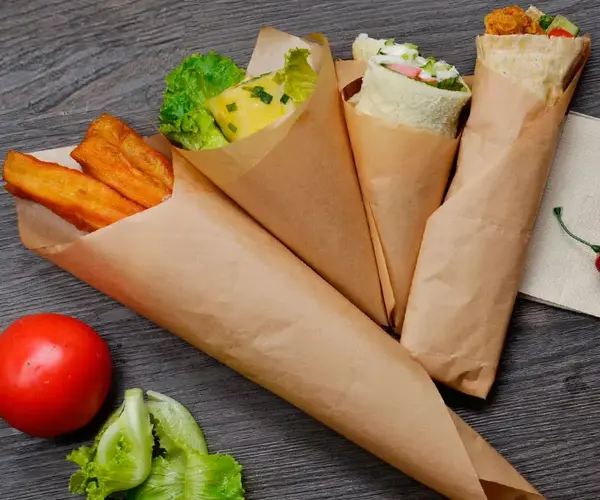
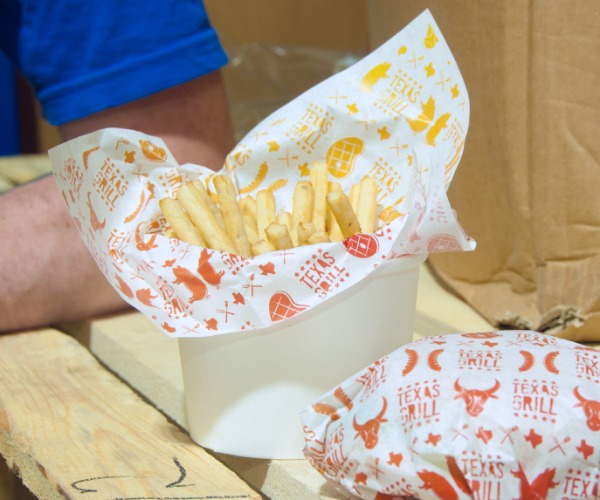
Commonly used for hamburger wraps, sandwich wraps, pastry shop wrappers, and everyday bakery packaging.
Suitable for bread, buns, and pastries that require oil resistance at room or medium temperature.
Used for takeaway food packaging where low-cost, practical oil resistance is needed.
Works well for foods that briefly contact heat, such as freshly baked bread or cookies, as long as prolonged high-temperature baking is not required.
Frequently used in daily food-service operations where moderate oil resistance and cost efficiency are priorities.
Although both parchment paper and greaseproof paper offer oil resistance, their material structures, processing methods, and performance differ significantly. Buyers should select the right material based on temperature requirements, food characteristics, and cost considerations to ensure packaging safety and production efficiency. If you’re looking for parchment paper or greaseproof paper, feel free to contact Golden Paper for samples and pricing.