EN
EN
 fr
fr  de
de  es
es  it
it  ru
ru  pt
pt  ar
ar  vi
vi  tr
tr  id
id 
.webp "International Paper Split: What It Means for Global Packaging Supply Chains")
Phone:
0086 27 688745330086 18049845758
 GOLDEN PAPER
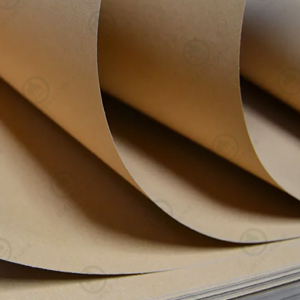
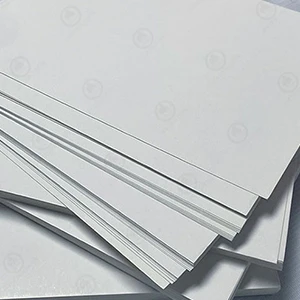
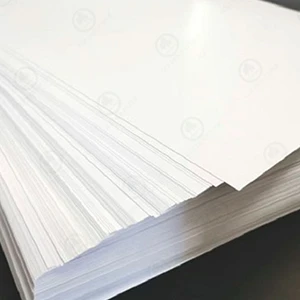
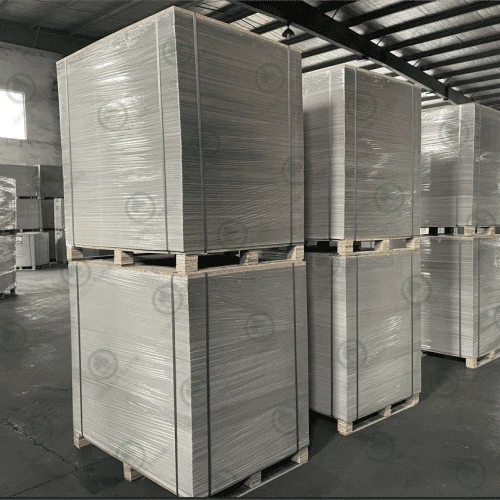
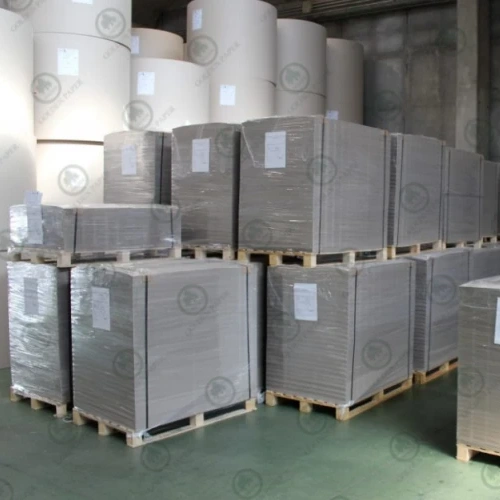
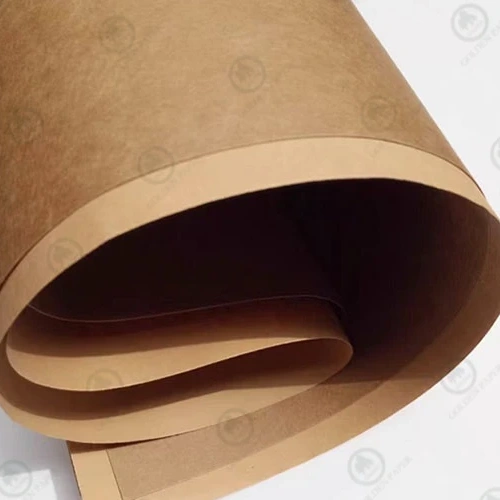
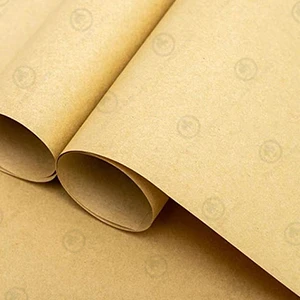
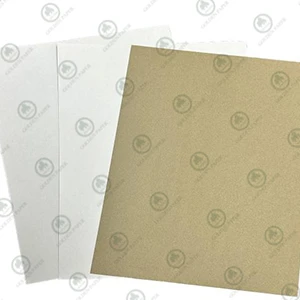
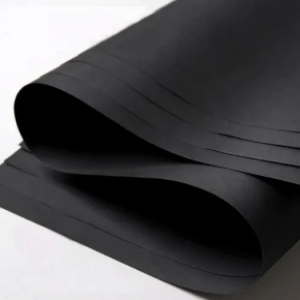
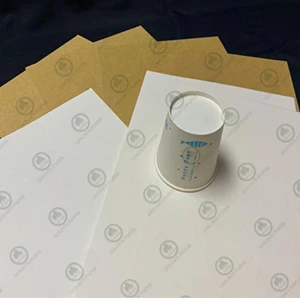
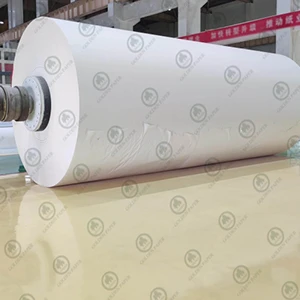
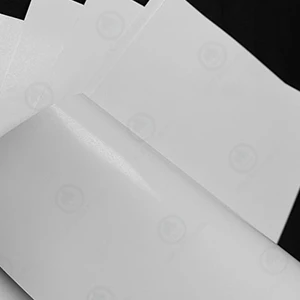
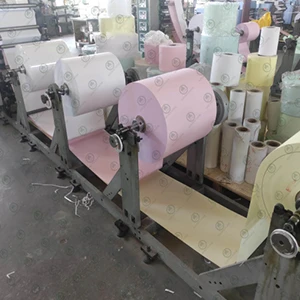
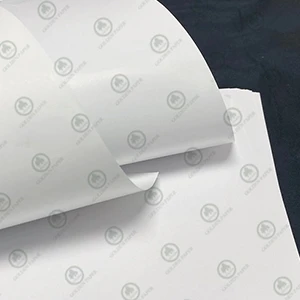
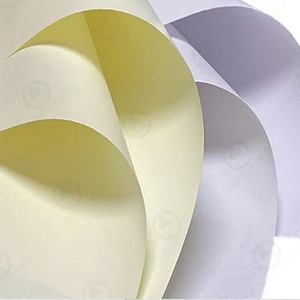
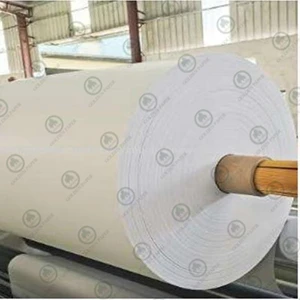
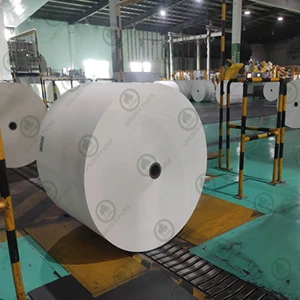

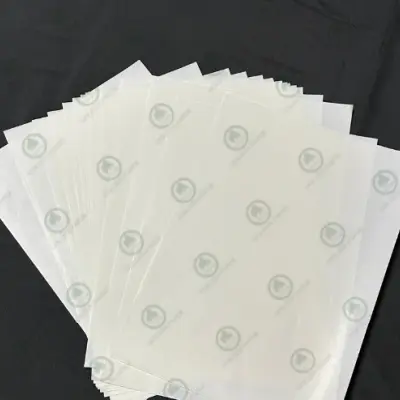
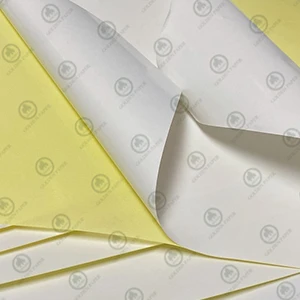
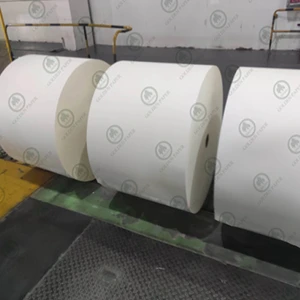

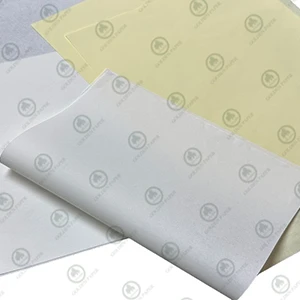

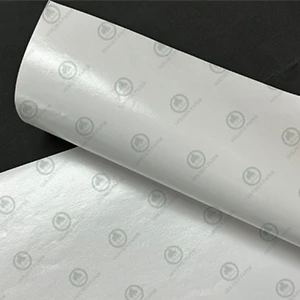
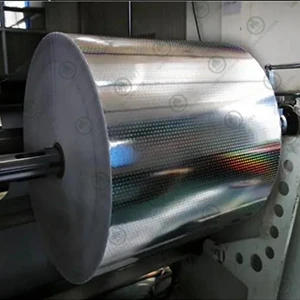
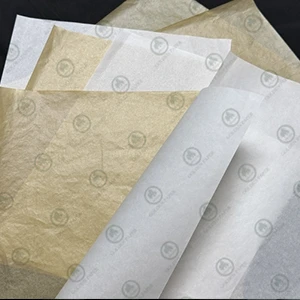

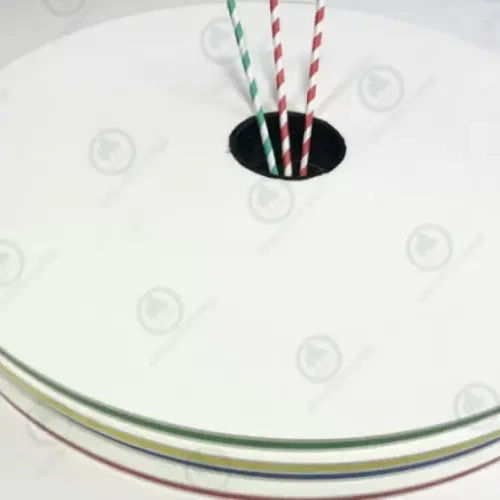
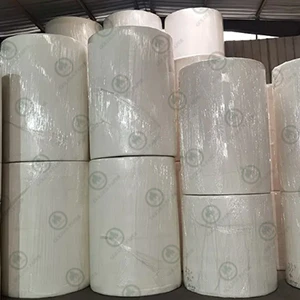
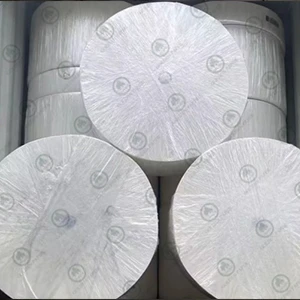

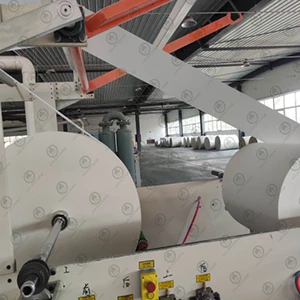
Wood pulp is a raw material made from wood, where cellulose fibers are extracted through specific pulping processes for papermaking. It is the most widely used and mature type of pulp in the global paper industry, and a primary source for our high-quality paper products.
Thanks to its stable fiber structure, moderate fiber length, high strength, and broad adaptability, wood pulp is ideal for producing a wide range of paper grades. With its abundant natural sources, it is commonly used in printing paper, writing paper, coated paper, and packaging paper, serving as a foundational material in modern papermaking.
We primarily use wood pulp produced via the Kraft process—a chemical pulping method that efficiently separates cellulose from lignin, retaining the fiber's strength and flexibility. The general steps include:
Chipping – Logs are chipped into suitable sizes.
Chemical Cooking– Chips are cooked in alkaline solutions at high temperatures to remove lignin.
Washing & Screening – Fibers are washed and screened for purity.
Bleaching (Optional) – For high-grade paper, we use ECF (Elemental Chlorine-Free) bleaching to reduce environmental impact.
Drying & Baling – Final pulp is dried into sheets or bales for storage and transport.
Depending on the paper application, we select softwood pulp for long fibers or hardwood pulp for short fibers, or blend both to balance strength and printability.
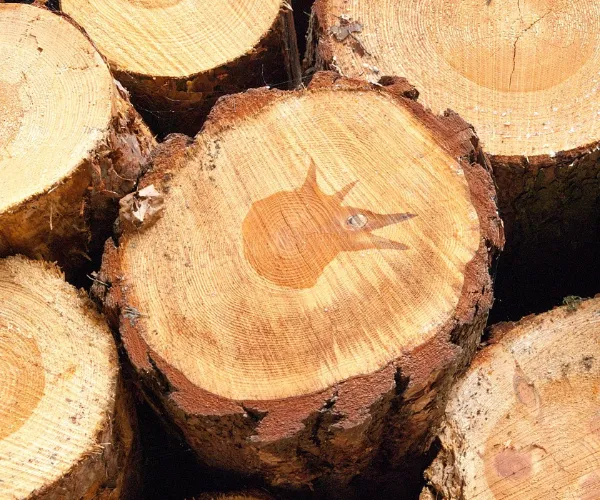
Wood pulp is made of natural cellulose with the following key characteristics:
Fiber Length: Softwood fibers are 2–4 mm long, offering strong tensile strength.
Beating Response: Beating can be adjusted to control tightness, ink absorption, and surface smoothness.
Hydrophilicity: Good water absorption allows excellent ink adhesion and fast drying—ideal for high-speed printing.
High Strength: Suitable for Bible paper, printing paper, and paperboard requiring stiffness, tear resistance, and durability.
By selecting pulps from different regions and combining fiber types, we offer tailored solutions from ultra white printing paper to high-strength kraft board.

To ensure quality and environmental standards, our wood pulp is sourced from:
Eucalyptus Pulp: Short fiber, enhances smoothness and printability for cultural paper.
Softwood Pulp: Long fiber, adds tensile strength for mid- to high-grade packaging.
Mixed Pulp: Balances cost and performance, ideal for copy paper and offset paper.
All our suppliers must provide FSC certification or similar traceable documents. Upon arrival, we test for moisture, ash content, dirt count, and viscosity to ensure compliance with our production standards.

We use wood pulp to produce paper tailored to different needs:
Offset/Writing Paper: Requires uniform fiber structure, smooth surface, compatible with inkjet and laser printers.
Coated Paper: Needs strong surface strength to prevent linting after coating.
Bible Paper: Uses a blend of long and short fibers to make ultra-thin yet strong sheets.
Coated Kraft Board: Rigid and durable for packaging while maintaining an appealing appearance.
As a global wholesale paper supplier, we also offer custom pulp blends for special papers such as food-grade or grease-resistant paper.
Sustainability is central to our operations at Golden Paper. We take the following actions:
Source only FSC-certified pulp to prevent illegal logging.
Apply ECF bleaching to reduce chemical residue and water pollution.
Use bulk or reusable packaging to minimize carbon footprint.
Recycle water in pulp washing to reduce wastewater discharge.
Explore renewable energy like biomass heating for drying stages.
Our goal is to move toward carbon-neutral wood pulp production across the supply chain.