EN
EN
 fr
fr  de
de  es
es  it
it  ru
ru  pt
pt  ar
ar  vi
vi  tr
tr  id
id 

Phone:
0086 27 688745330086 18049845758
 GOLDEN PAPER




.webp "Digital Transfer Paper/Sublimation Paper")

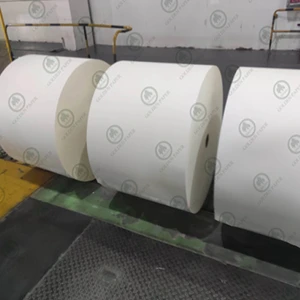

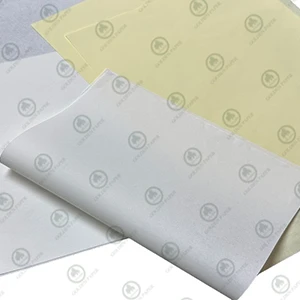

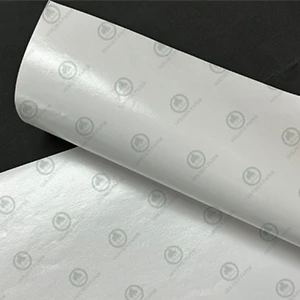
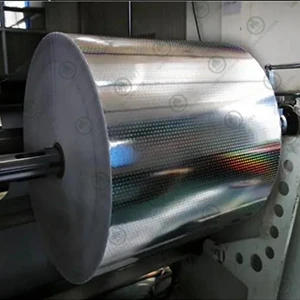
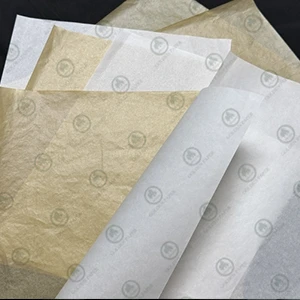


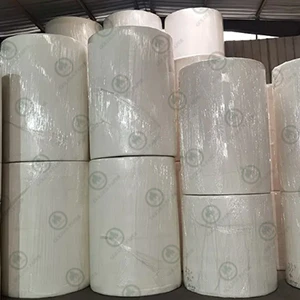
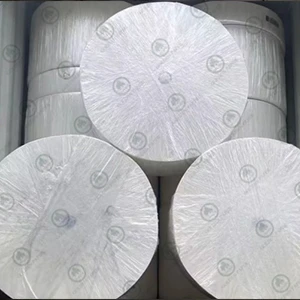

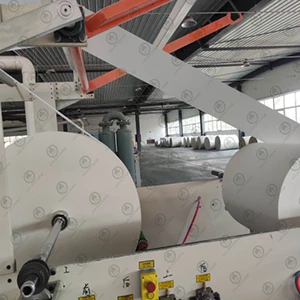
As global plastic reduction policies continue to tighten and brand owners raise their standards for sustainable materials, material structures across the packaging and printing industry are undergoing real change. For packaging converters, printing companies, and brand suppliers, bamboo pulp paper is no longer just an environmental concept. It is becoming a practical, mainstream sourcing solution within global procurement systems. If you want to better understand bamboo pulp paper and why it is gaining momentum in international markets, keep reading.
In recent years, regulations on single-use plastics in Europe and North America have become significantly stricter. In food packaging, retail packaging, and FMCG outer packaging, more brands are actively seeking plastic-free packaging and sustainable paper solutions to reduce compliance risks and strengthen ESG performance.
Under this trend, bamboo pulp paper is emerging as a realistic alternative. Bamboo is a natural plant fiber material that biodegrades relatively quickly in natural environments, reducing long-term pollution risks.
When end brands request “plastic-free packaging” or certified sustainable paper materials, bamboo pulp paper provides a scalable and commercially viable solution — not just a theoretical eco-friendly concept.
For export-oriented packaging companies, adding bamboo-based paper products to your portfolio today means you are better prepared for the next round of environmental audits and sustainability assessments from overseas clients.
Plastic materials rely on petroleum resources, and oil prices are closely tied to global energy markets. This creates volatility and cost uncertainty for buyers who require stable, long-term supply contracts.
Bamboo offers a fundamentally different raw material model. As a fast-growing renewable resource, certain bamboo species can mature within two to three years and regenerate continuously. Well-managed bamboo forestry systems allow for sustainable harvesting cycles and consistent raw material supply.
This means that, once the industrial chain is mature, bamboo pulp paper offers a more sustainable and structurally stable raw material base.
For overseas buyers, choosing bamboo pulp paper is not only about selecting an eco-friendly packaging material — it is also a strategic decision to reduce supply chain risk and improve long-term sourcing stability.

As global carbon reduction targets advance, more brands are evaluating the carbon footprint of raw materials within their supply chains. Bamboo has strong carbon sequestration capacity during its growth cycle, which gives bamboo-based paper products certain advantages in lifecycle assessments.
When brands need measurable data for annual sustainability reports, bamboo pulp paper can serve as a practical and quantifiable material substitution case.
This upgrade in material structure not only helps end brands enhance their environmental positioning, but also creates additional business opportunities for upstream packaging and printing suppliers.
In other words, bamboo pulp paper is shifting from being an “eco option” to becoming a market competitiveness tool.

The global transition toward green materials is accelerating but has not yet fully matured. For forward-looking procurement managers, now is a strategic window to incorporate bamboo-based paper products into long-term sourcing plans.
Early adoption helps you:
Stay ahead of regulatory changes
Strengthen differentiation in international tenders
Build long-term partnerships with sustainability-focused brands
Once large-scale material substitution becomes standard across the market, pricing structures and supply chains will stabilize. Companies that enter early are typically better positioned to secure long-term customer relationships.
For overseas buyers focused on sustainable packaging solutions and long-term cooperation, bamboo pulp paper represents more than environmental responsibility. It is a strategic move aligned with global trends, risk management, and competitive positioning.
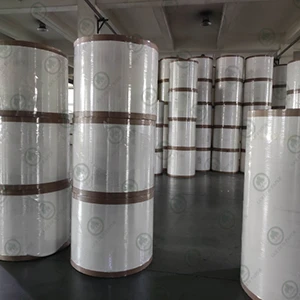
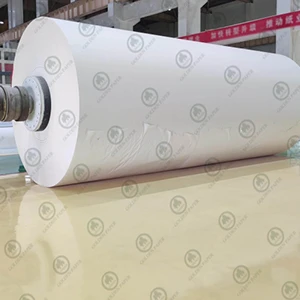
Replacing plastic with bamboo is no longer just a policy slogan — it is increasingly reflected in real purchase orders. For companies searching for scalable sustainable paper alternatives to plastic, bamboo pulp paper meets environmental expectations while offering mature production capacity and stable supply potential. As the global green transition continues to deepen, choosing a reliable bamboo pulp paper supplier will be a key step in building a sustainable product system. Golden Paper keeps pace with global sustainability trends. Our bamboo pulp paper production lines are mature and supply-ready. If you are looking for sustainable bamboo paper solutions, feel free to contact us for pricing and samples.