EN
EN
 fr
fr  de
de  es
es  it
it  ru
ru  pt
pt  ar
ar  vi
vi  tr
tr  id
id 
.webp "International Paper Split: What It Means for Global Packaging Supply Chains")
Phone:
0086 27 688745330086 18049845758
 GOLDEN PAPER
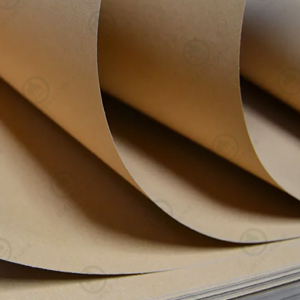
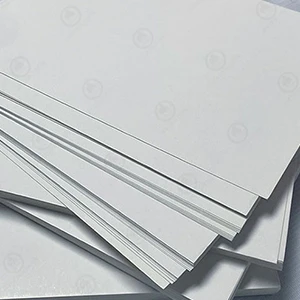
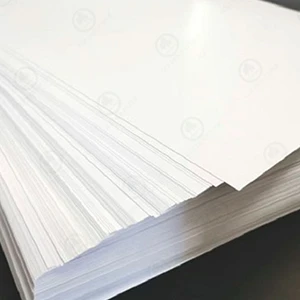
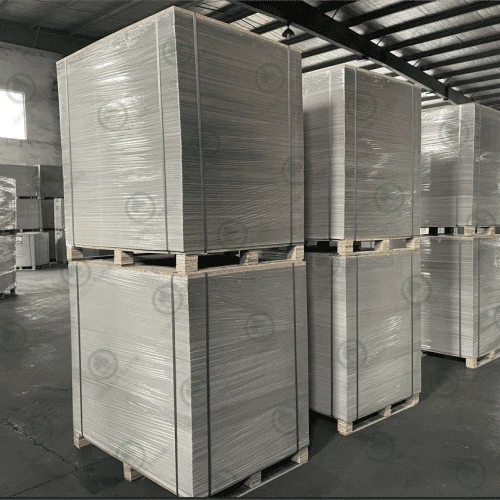
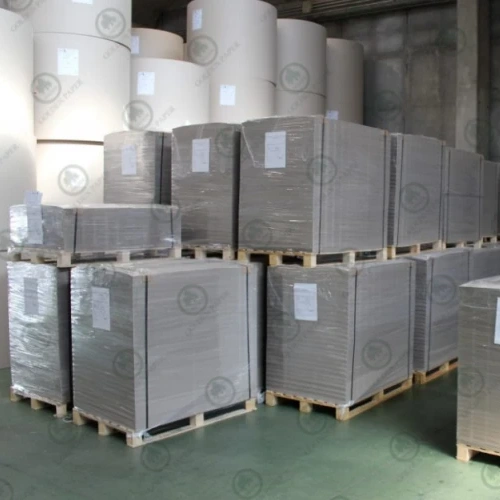
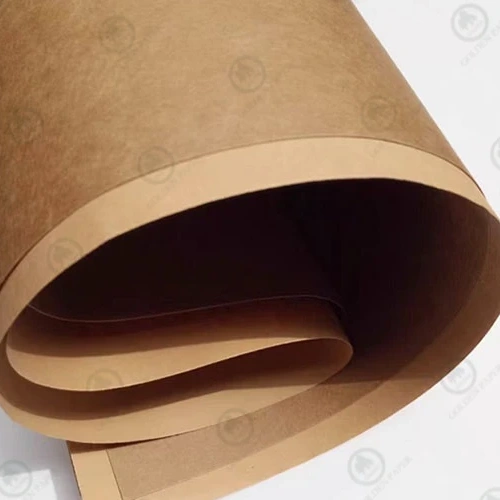
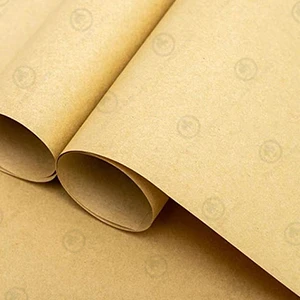
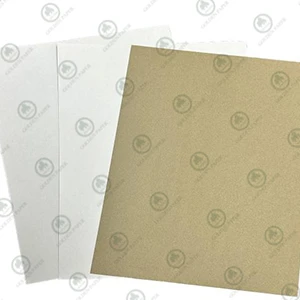
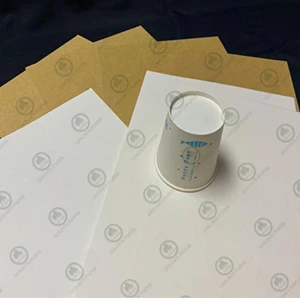
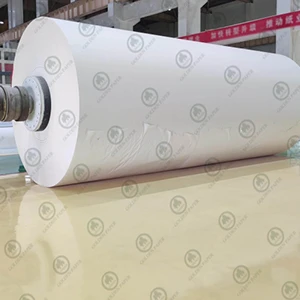
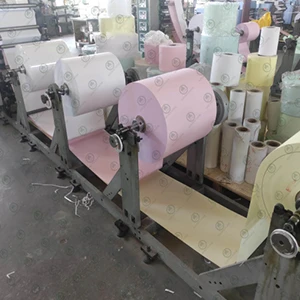
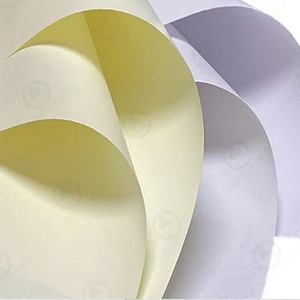
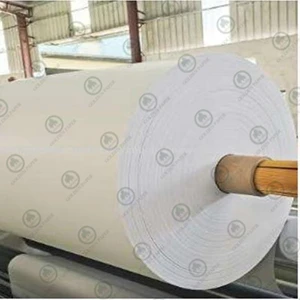
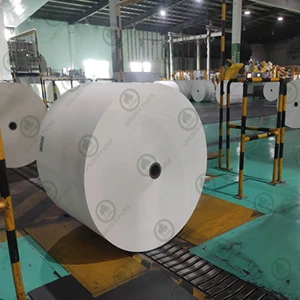

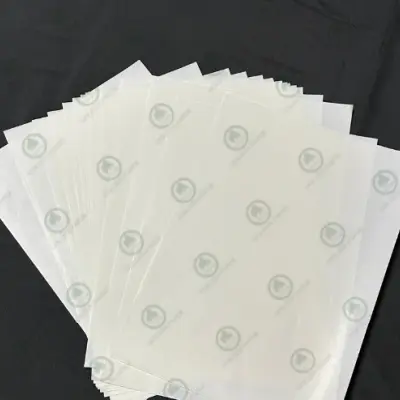
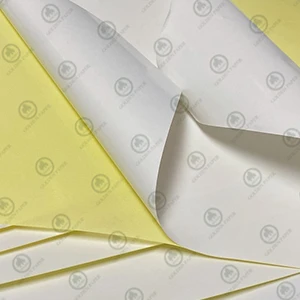
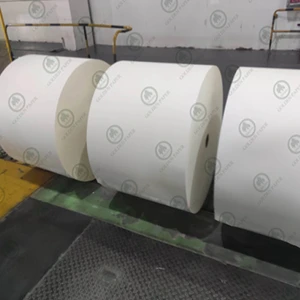

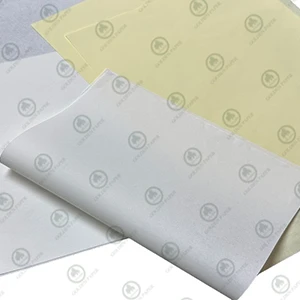

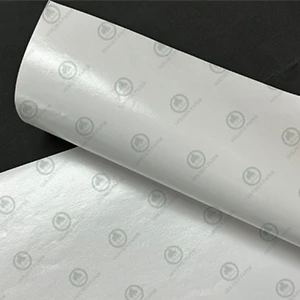
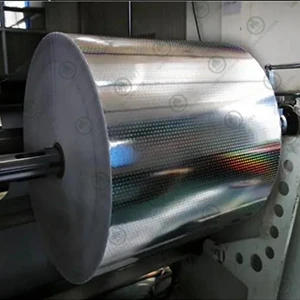
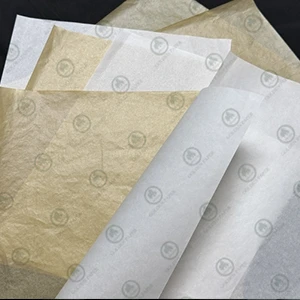

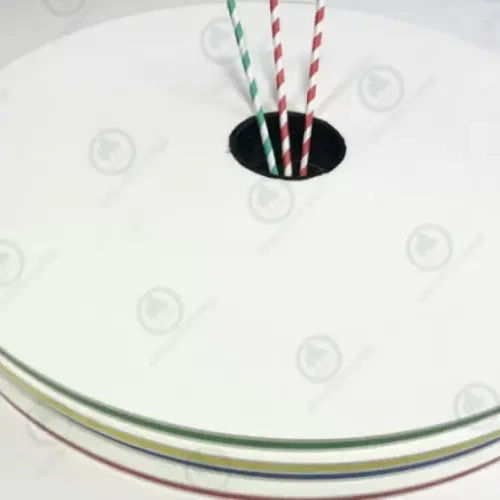
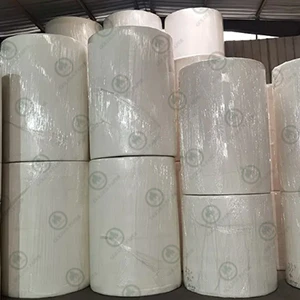
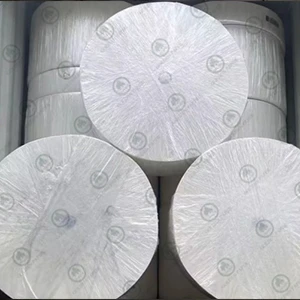

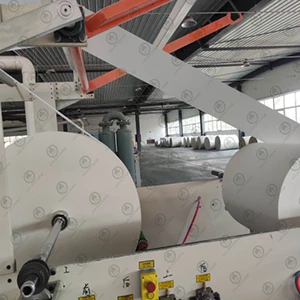
Recycled pulp, also known as waste paper pulp or secondary fiber, refers to pulp produced from waste paper (including household, office, packaging, and printing paper) after it undergoes a series of processes such as impurity removal, deinking, bleaching, and refining. It is one of the important raw materials for papermaking and a key component of the circular economy in the paper industry.
Recycled pulp does not rely on wood or bamboo resources. It utilizes post-consumer paper, reducing pressure on virgin forests and meeting the demands of carbon reduction, energy savings, and emission reductions. Recycled pulp can be divided into several types based on the source and treatment process, such as:
White recycled pulp: Made from high-grade office paper, printing paper, books, etc.; light in color and often used in white cultural paper and tissue paper.
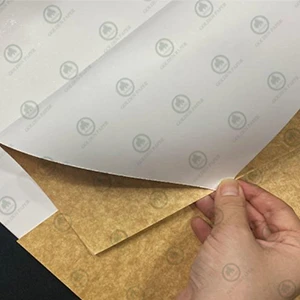
Brown recycled pulp: Mainly from cartons and packaging paper; dark in color, used in cardboard, corrugated paper, etc.
Deinked pulp (DIP): White waste paper processed through flotation deinking and washing, often bleached for reuse in coated paper or tissue.
Mixed waste pulp: From mixed sources; low cost but high in impurities, suitable for low-grade industrial paper or paperboard.
Recycled pulp production generally includes the following main processes:
Sorting and storage: Different types of waste paper are sorted to ensure stable fiber quality.
Pulping: The paper is broken down in water using mechanical force to disperse fibers and remove adhesives.
Screening and impurity removal: Includes drum screens, centrifugal cleaners, fine screens, etc., to remove plastics, metals, adhesives, and other residues.
Deinking: For white paper products, surfactants and flotation are used to remove ink and coatings from the fiber surface.
Bleaching (optional): Uses hydrogen peroxide, oxygen, or ozone-based systems to reduce the use of chlorine-based bleaching agents.
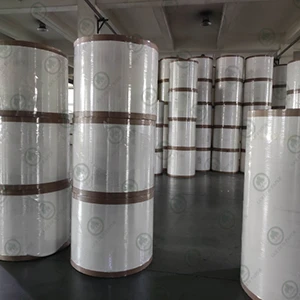
Refining and sheet forming: Depending on product requirements, recycled pulp is adjusted for fiber length, beating degree, and cleanliness, then made into usable pulp sheets or directly enters the paper machine system.

Compared to virgin wood or bamboo pulp, recycled pulp has undergone one or more cycles of papermaking and recycling, resulting in the following characteristics:
Shorter fiber length: After repeated pulping, fiber length decreases, affecting tensile strength and tear resistance.
Higher impurity content: Despite advanced impurity removal systems, some fillers, ink residues, and stickies may remain.
Lower whiteness: Even after deinking and bleaching, recycled pulp often has lower brightness than virgin pulp.
Poorer uniformity: Fiber length, fineness, and cleanliness vary due to diverse paper sources.
Despite this, with advanced processing and blending technology, recycled pulp can still meet the requirements of many mid- to low-grade paper products and reduce raw material costs.

Recycled pulp is widely used in packaging, printing, sanitation, and industrial paper fields:
Corrugated base paper and cardboard: Recycled pulp has good compressive strength and low cost, widely used in carton production.
Toilet paper and kitchen paper: Deinked and disinfected recycled pulp can meet hygiene requirements for low- and mid-end household paper.
Cultural printing paper: Some coated or offset printing papers use a certain proportion of recycled pulp to improve economy.
Paperboard and industrial paper: Including honeycomb paperboard, linerboard, wrapping paper, etc., emphasizing bulk and cost-effectiveness.
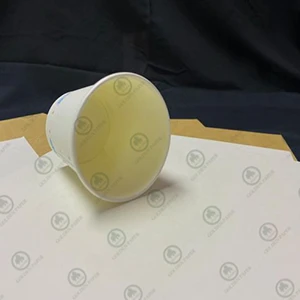
Food packaging paper: Through special processing and testing, recycled pulp can be used in chocolate boex and takeout boxes, etc., provided it complies with food contact material standards.

We source recycled pulp from certified large-scale recycling pulp mills, primarily in Jiangsu, Zhejiang, Fujian, and Shandong, ensuring environmental compliance and product consistency.
Supplier requirements: Must hold ISO 14001 environmental management system and meet national solid waste recycling standards.
Traceability system: All waste paper raw materials must be traceable to prevent illegal or contaminated paper entering the production chain.
Incoming inspection: Each batch undergoes testing for moisture, dirt count, ash content, screen residue, heavy metals, and microbial indicators.
Food-grade testing: For recycled pulp used in food packaging board, we conduct migration tests and residual tests according to FDA and EU standards.
As a leading paper board factory, we are committed to increasing the proportion of recycled pulp use under the premise of ensuring product performance and safety, helping customers reduce carbon emissions and enhance ESG compliance.