EN
EN
 fr
fr  de
de  es
es  it
it  ru
ru  pt
pt  ar
ar  vi
vi  tr
tr  id
id 



Phone:
0086 27 688745330086 18049845758
 GOLDEN PAPER




















.webp "Digital Transfer Paper/Sublimation Paper")















Ocean freight rates remain volatile at elevated levels in August 2026, creating new cost pressures for exporters of paper, paperboard, packaging and printed products. On some Asia–U.S. routes, freight rates have approached or exceeded $9,000 per FEU, while shipping costs on Middle East-related routes remain elevated amid ongoing geopolitical and operational disruptions.
The current market is also becoming increasingly divided by trade lane. Transpacific routes remain relatively firm, while some Asia–Europe routes have shown signs of easing. At the same time, shipping conditions around the Red Sea and the Middle East remain uncertain. Drewry's World Container Index stood at $4,339 per 40ft container on August 13, up 1% from the previous week, with higher rates on the Transpacific route contributing to the increase.
For the paper and packaging industry, these changes deserve close attention. Paperboard, corrugated packaging and printed products often occupy significant container space, making their delivered cost sensitive to changes in ocean freight. When freight costs increase by thousands of dollars per container, overseas buyers may reconsider order quantities, shipment schedules or even purchasing plans.
Several factors are contributing to the current freight environment. Geopolitical tensions in the Middle East continue to affect vessel routing and operating costs. Although some carriers have cautiously resumed or considered limited services through the Red Sea, shipping through the Suez Canal remains below normal levels. Longer alternative routes can increase transit times while tying up vessel capacity for longer periods.
The situation around the Middle East is also affecting fuel and logistics costs. Recent industry developments show that freight rates are being supported not only by geopolitical disruptions but also by infrastructure bottlenecks and strong export activity from Asia. Maersk recently raised its 2026 earnings outlook again, citing higher freight rates and strong container demand, while noting that infrastructure constraints are contributing to pressure across global logistics networks.
For exporters, this means that the basic ocean freight rate is no longer enough to understand the actual logistics cost. Fuel-related charges, peak-season surcharges, risk-related fees, canal charges and port costs can all affect the final amount paid by the shipper or buyer. For paper and packaging products, evaluating the total delivered cost is becoming increasingly important.
Paper packaging is particularly sensitive to freight fluctuations because of the physical characteristics of the products. A container carrying paperboard, kraft paper or printed packaging can be both heavy and space-intensive. When freight rates rise significantly, the additional logistics cost can quickly affect the price competitiveness of the shipment.
This is making freight costs an increasingly important part of international paper purchasing decisions. Overseas buyers may look beyond the product price and compare the combined cost of paper, packaging, ocean freight and final delivery. For suppliers, discussing shipment planning and logistics options with customers can therefore become an increasingly important part of international cooperation.
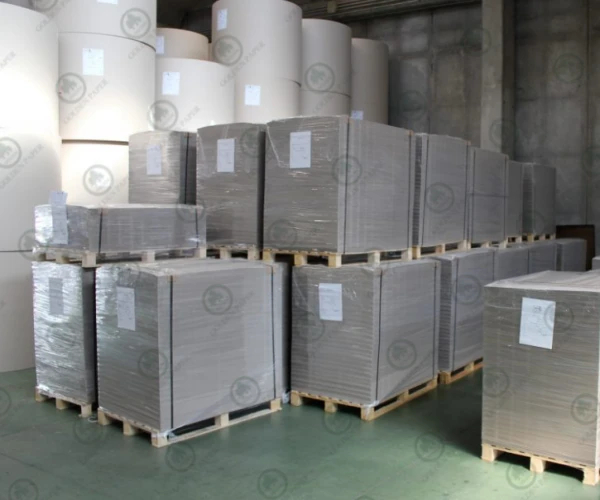
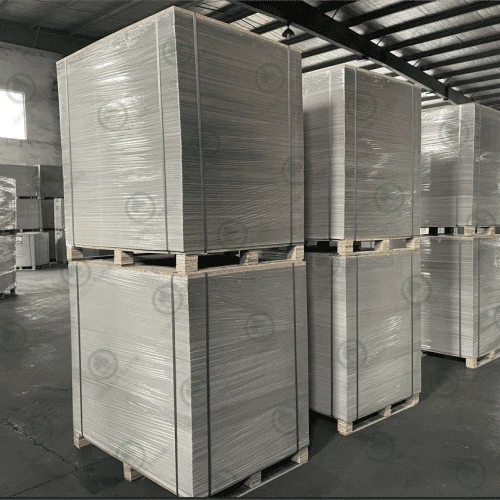
One area that exporters can review is container utilization. Optimizing pallet dimensions, adjusting loading methods, reducing unnecessary packaging space and improving cargo arrangement can help make better use of available container capacity. For paper and paperboard products, even a modest improvement in loading efficiency can make a meaningful difference when freight rates remain high.
Order consolidation can also be considered when conditions allow. If several orders are destined for the same or nearby markets, combining shipments may improve container utilization and reduce the freight cost allocated to individual orders. However, this approach should be balanced against production schedules, inventory requirements and delivery deadlines rather than simply waiting until a container is completely full.
Route selection is another factor that may deserve closer attention. At certain points in the market, freight rates between the U.S. West Coast and East Coast can differ significantly. Exporters can compare different combinations of ocean routes and inland transportation to determine the most competitive overall solution. The lowest ocean freight rate does not necessarily mean the lowest logistics cost, as trucking, rail, customs clearance and final delivery also need to be included.
Trade terms may also require more careful consideration in a volatile freight market. Under FOB terms, buyers generally have greater control over international freight arrangements, while under CIF terms, sellers need to incorporate ocean freight into their quotations. When freight rates and surcharges change frequently, both parties should clearly define freight adjustment mechanisms, additional charges and quotation validity periods to reduce the risk of unexpected costs.
The outlook for the coming months remains uncertain. On the demand side, the early surge in U.S. container imports appears to be losing momentum. According to the National Retail Federation and Hackett Associates, U.S. container import volumes are expected to decline 4.2% year over year in August, with imports likely to continue moderating later in 2026.
However, softer demand does not necessarily mean that ocean freight rates will fall sharply in the short term. Geopolitical risks around the Red Sea and Middle East, fuel costs, canal-related charges and carrier capacity adjustments may continue to support freight rates. Recent market developments also show that global shipping costs can respond quickly to changes in geopolitical and infrastructure conditions.
As a result, the freight market after August may continue to experience volatility rather than follow a simple upward or downward trend. If import demand weakens further and additional vessel capacity becomes available, some routes could see rates decline. But if disruptions continue to affect major shipping corridors, the recovery of effective capacity may take longer.
For exporters of paper, paperboard and packaging products, the key question is therefore not simply when ocean freight rates will fall. It is how to maintain competitive delivered costs while shipping conditions remain uncertain. Improving container utilization, consolidating suitable orders, comparing routes and reviewing trade terms can all provide greater flexibility when market conditions change.
For international paper buyers, the current environment also highlights the importance of supply reliability. Product price remains important, but production capacity, product quality, delivery performance, loading efficiency and the supplier's ability to respond to changes in international logistics can also influence the overall purchasing cost.
As August progresses, global shipping conditions are likely to remain sensitive to geopolitical developments, carrier capacity adjustments and seasonal demand. For paper, paperboard and packaging exporters, ocean freight is no longer simply a logistics issue after an order has been placed. It is increasingly becoming part of international procurement and supply chain planning.
At Golden Paper, we continue to monitor developments in the global paper, paperboard and packaging markets, as well as changes in international freight conditions that may affect customers' procurement and supply chain costs. In a volatile shipping environment, close communication between suppliers and overseas buyers can help businesses make more informed decisions about order timing and shipment planning.
Source: Shanghai Shipping Exchange, Drewry, Freightos, National Retail Federation, carrier announcements and other publicly available industry information. This article is based on market information available in August 2026 and is intended for industry reference only. It does not constitute a commercial commitment or investment advice.