EN
EN
 fr
fr  de
de  es
es  it
it  ru
ru  pt
pt  ar
ar  vi
vi  tr
tr  id
id 

Phone:
0086 27 688745330086 18049845758
 GOLDEN PAPER





.webp "Digital Transfer Paper/Sublimation Paper")





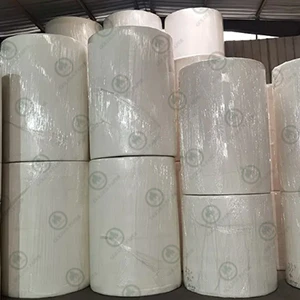
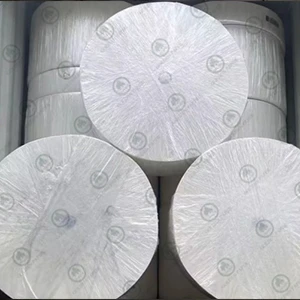

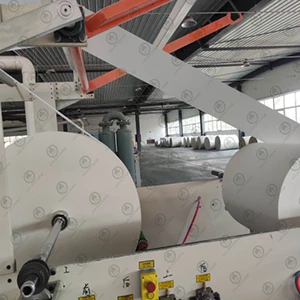
On October 9, the Chinese government announced a new regulatory requirement for imported recycled pulp. Importers must now declare whether their pulp products are produced through the dry process or wet process, and customs officers are authorized to conduct on-site inspections of inbound shipments.
The move immediately sent ripples through the global old corrugated container (OCC) and recycled fiber markets. The new rule mainly aims to curb imports of dry-processed pulp, which is considered to have higher contamination levels. Chinese authorities say the dry process often involves limited screening and cleaning, leaving behind more plastic, metal, or bacterial residue, while wet-processed pulp—treated under high temperatures—is viewed as a safer and more hygienic alternative.
China's environmental campaigns over the past decade have already reshaped the global waste paper and recycled pulp supply chain. Starting with the 2013 Green Fence initiative and the 2017 National Sword policy, China restricted waste paper imports, cutting off the flow of OCC and mixed paper materials into the country.
As a result, waste fibers from the U.S. and Europe were shipped to Southeast Asia—such as Indonesia, Malaysia, Thailand, and Vietnam—for processing into recycled pulp before being exported to China.
According to Rabobank, China's recycled pulp imports grew nearly tenfold between 2019 and 2023, with more than 60% made through dry pulping. The new regulation could sharply reduce that share. Industry experts note this marks a turning point toward higher quality and stricter environmental standards in China's pulp imports.
Following the announcement, many dry-process pulp mills in Southeast Asia suspended production, waiting for more details about China's enforcement plan. Meanwhile, wet-process mills saw a notable rise in new orders, particularly between October 10–12, suggesting that demand for recycled pulp in China remains strong despite the restrictions.
Analysts report that some in-transit dry pulp shipments may be canceled or diverted, while wet pulp prices could fluctuate in the coming weeks due to tightened supply.
OCC, the key raw material for recycled pulp, has once again become the market's focal point. OCC prices, which had climbed by 245% from early 2023 to mid-2024, have gradually declined this year. Market intelligence firm ResourceWise noted that recycled pulp supply typically lags downstream packaging demand by 3–5 months, amplifying volatility whenever policy changes occur.
While U.S. West Coast ports have shown slight congestion, logistics experts say it's not yet linked to the new regulation. However, if inspections become stricter, the OCC and recycled pulp supply chain could experience reshuffling, especially impacting smaller Southeast Asian pulp mills.
Rabobank forecasts that the policy will push up China's raw material costs for paper manufacturing in the short term. However, weak domestic demand may cushion the impact. In the long run, a complete phase-out of dry-processed pulp could accelerate the industry's shift toward cleaner, more sustainable production methods.
Industry observers view the move as part of China's broader push toward green transformation. It's not only a regulatory warning but also a signal encouraging higher product quality and cleaner production, one analyst noted.
Golden Paper believes this policy will have far-reaching implications for the global recycled pulp and paperboard market. While raw material prices may remain volatile in the near term, the long-term trend favors cleaner production, circular economy practices, and sustainable sourcing. Golden Paper will continue to monitor market developments closely and provide customers worldwide with stable, compliant, and high-quality paper and packaging materials.