EN
EN
 fr
fr  de
de  es
es  it
it  ru
ru  pt
pt  ar
ar  vi
vi  tr
tr  id
id 
.webp "Digital Transfer Paper/Sublimation Paper")
Phone:
0086 27 688745330086 18049845758
 GOLDEN PAPER

.webp "Digital Transfer Paper/Sublimation Paper")
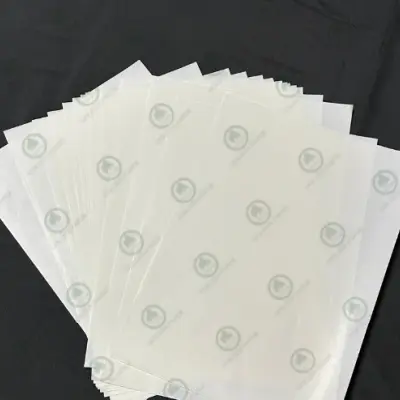
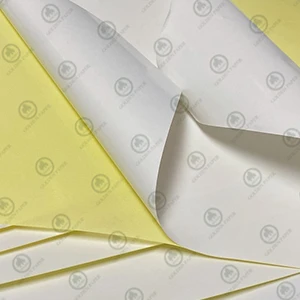
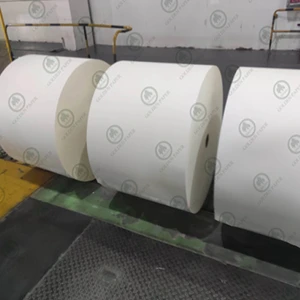

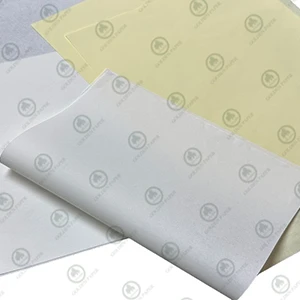

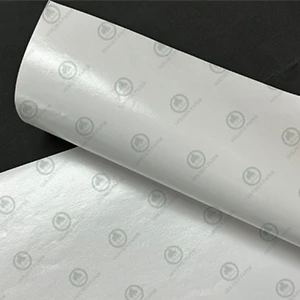

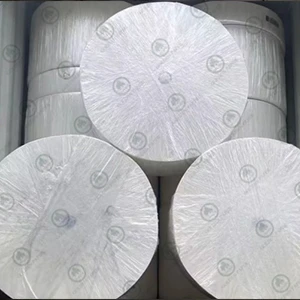

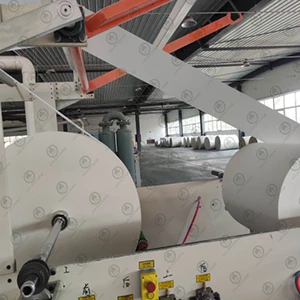
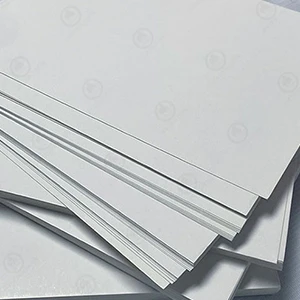
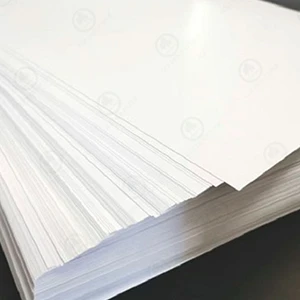
Paper is everywhere in our daily life and work. Among the many types, Offset Paper and traditional papers (such as uncoated writing paper or newsprint) are the most commonly discussed. Many people wonder: what’s the difference between them, and which is better for printing or writing? This article explores the distinctions between offset paper and traditional paper, focusing on performance, manufacturing process, applications, and cost, helping you choose the right paper for your needs.
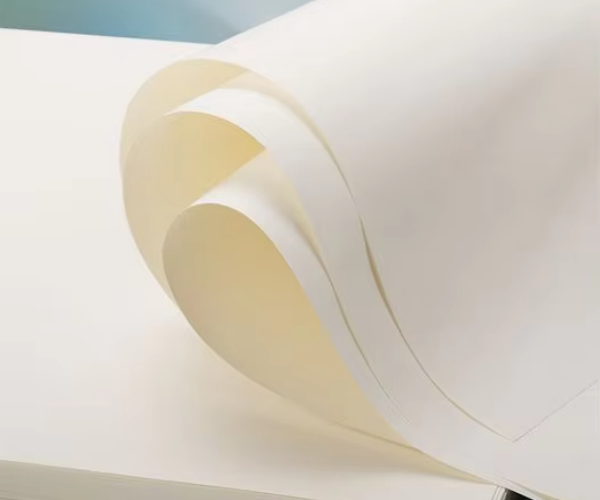
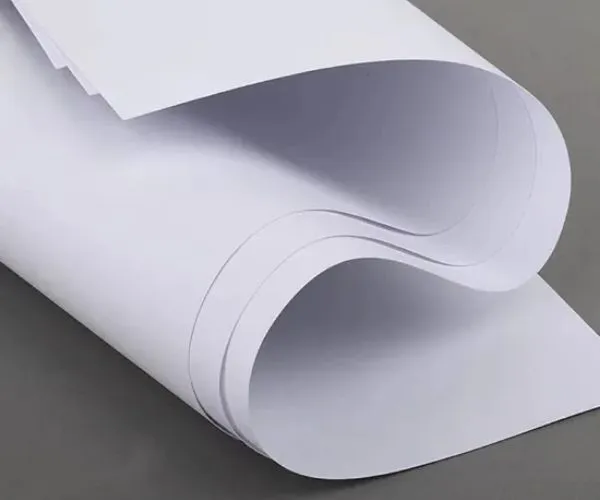
Offset paper is widely used because of its enhanced manufacturing process. It undergoes double-sided sizing, meaning a certain amount of sizing agent (starch, rosin, or synthetic glue) is added to the pulp or applied to the surface. This tightens the fibers and makes the paper surface denser, providing several key benefits:
Offset paper has smooth, uniform fibers on both sides. When writing with a pen, ink stays on the surface and is gradually absorbed, preventing smudging or feathering. In printing, ink transfers evenly, producing sharp lines, clear details, and avoiding “blurry prints.”
For color printing, paper absorbency affects output quality. Ordinary paper often lets ink spread too much, causing dull colors. Offset paper’s dense, even surface preserves vibrant, saturated colors, making it ideal for magazines, brochures, and other high-quality print materials.
The tight fiber structure of offset paper improves stiffness and fold-resistance. Textbooks, notebooks, or archival documents maintain integrity over time, resisting tearing or fraying.
Although not waterproof, offset paper resists minor moisture better than traditional paper. Small spills or ink marks are less likely to cause bleeding or wrinkling.
Compared to premium specialty papers, offset paper is affordable while meeting most printing and writing needs. It is the standard choice for textbooks, magazines, notebooks, and general publications.
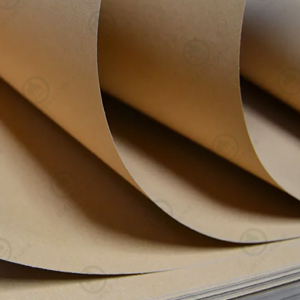
“Traditional papers” usually refer to uncoated or minimally treated papers, such as newsprint, draft paper, or low-weight writing paper. While cheaper and faster to produce, they have several drawbacks:
Fibers are loose and uneven. Ink penetrates too quickly, making writing blurry and print details unclear. Small text or high-resolution graphics often appear fuzzy.
Excessive ink absorption causes dull, flat colors. Printed images on newsprint, for example, often look grayish rather than vibrant.
Many traditional papers tear or crease easily. Newsprint, although inexpensive, yellows and becomes brittle over time, unsuitable for long-term use.
Traditional paper swells or wrinkles with moisture, and ink spreads uncontrollably. In humid conditions or for long-term storage, its performance suffers.
Lightweight traditional paper is fine for single-use documents but doesn’t meet needs for thicker or stiffer materials like brochures or packaging inserts.
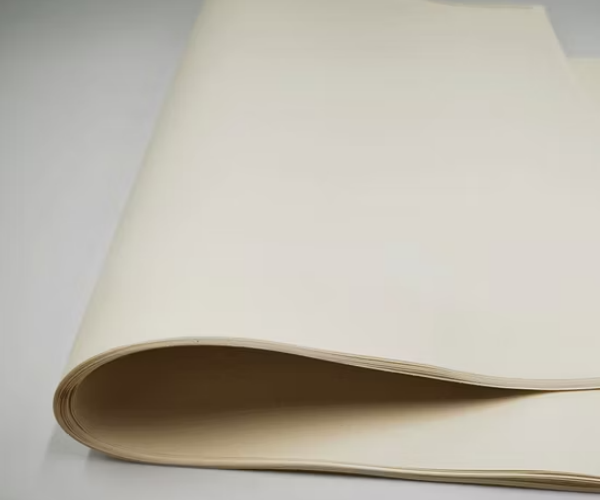
Offset Paper: Ideal for textbooks, notebooks, children’s books, magazines, brochures, and archived documents—anywhere printing quality, smooth writing, and durability matter.
Traditional Paper: Suited for low-cost, high-volume printing such as newspapers, draft sheets, temporary files, or meeting handouts where clarity and longevity are less critical.
In other words, neither type is strictly “better”; each serves different purposes.
Choosing between offset paper and traditional paper depends on usage, budget, and quality requirements. For a vibrant, durable children’s book or brochure, offset paper is the best choice. For low-cost draft paper, traditional paper remains practical. Understanding the differences helps you balance cost and quality effectively. Contact Golden Paper for quotes and samples to find the perfect paper for your printing and writing projects.